SECURITY Signal 521 2 feeds carried it
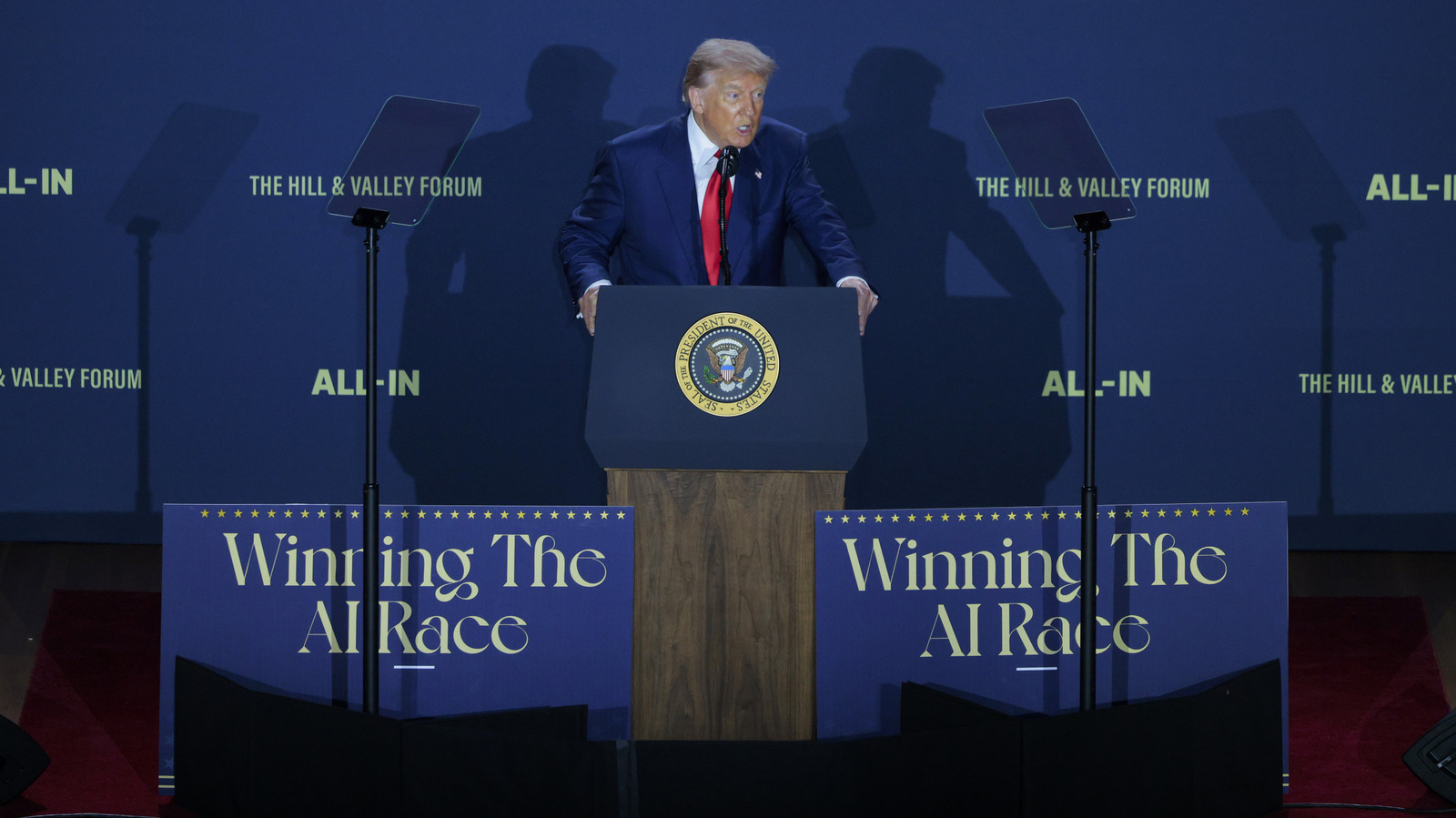
Trump announces creation of an AI Force and plans to appoint an AI czar
 ↗
↗
The president said he will soon announce an 'AI czar' to run this newly made-up agency.
The creation of an AI Force suggests a federal push to influence AI development in the U.S., contrasting with industry calls for regulation. This initiative could shape the future of AI policy and industry standards, potentially impacting competition globally. The lack of detail about the agency's functions raises questions about its purpose and effectiveness.
Written by elseif from the cluster below · every claim links back to a sourceThe three things worth knowing
Trump aims to create an 'AI Force' to oversee artificial intelligence development.
The initiative contrasts sharply with calls from AI industry leaders for regulation.
An 'AI czar' will be appointed to lead this new agency in the near future.
THE READ
What the cluster adds up to.
President Trump's announcement of creating an 'AI Force' indicates a significant federal initiative aimed at shaping AI development in the United States. The plan includes appointing an 'AI czar' to oversee the agency, although specific responsibilities and powers of this new entity remain unclear. This move appears to position the U.S. as a leader in AI, countering calls from industry leaders for a slowdown in development.
The announcement suggests that the Trump administration seeks to promote AI growth without restrictions, claiming that regulations would hinder U.S. competitiveness against countries like China. This stance diverges from recent discussions in the tech community advocating for more cautious approaches to AI to mitigate potential risks. How this 'AI Force' will interact with existing regulatory frameworks could define the landscape of AI governance in the future.
The focus on rebranding AI terminology alongside the creation of the agency points to an effort to shift public perception of artificial intelligence. By proposing alternative names such as 'extreme intelligence,' the administration may aim to frame AI in a more favorable light, potentially influencing public and political discourse on the technology. However, the effectiveness of such branding strategies in addressing the underlying concerns about AI remains to be seen.
Written by elseif from the cluster below · checked for specifics the sources never containedTHE CLUSTER