TECH Signal 412
Senior engineer reverts to manual coding after AI-generated features crash product twice
 ↗
↗
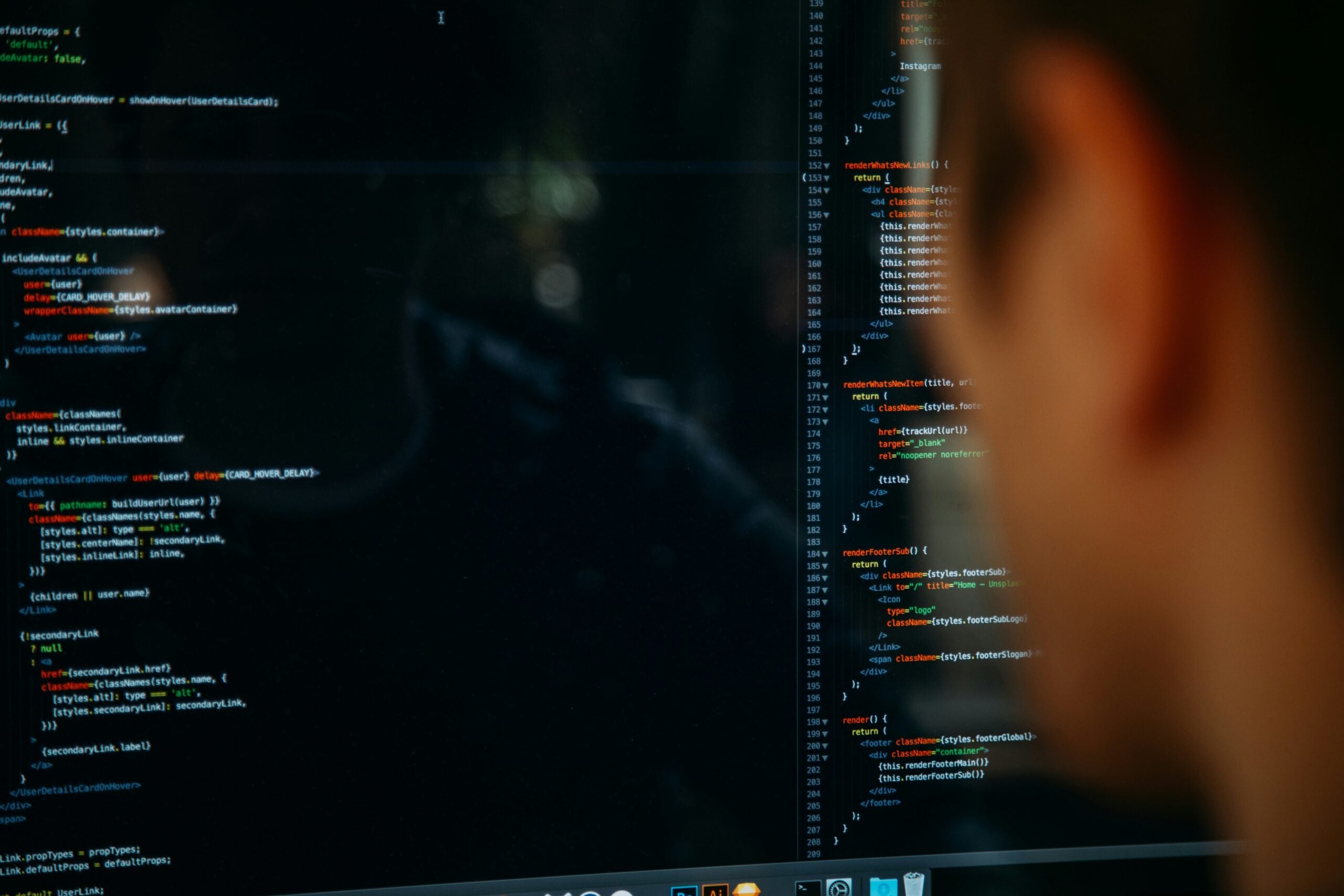
A senior Silicon Valley engineer who had fully adopted Claude Code for all development work has returned to largely hand-writing code after AI-generated features caused two production crashes and his boss threatened termination.
The article documents a pattern of disillusionment among developers who outsourced code production to AI agents, finding that the output contains hard-to-spot bugs that are difficult to catch because understanding code you didn't write is notoriously hard. The piece argues that even in programming, the domain most suited to AI, the industry has not yet figured out a sustainable integration model, and that rising compute costs are making the brute-force token-burning approach prohibitively expensive.
Written by elseif from the cluster below · every claim links back to a sourceThe three things worth knowing
A senior engineer who reported cutting week-long tasks to two days with Claude Code later caused two production crashes from AI-generated features and was threatened with firing.
The engineer now uses LLMs only for narrow tasks like tests and throwaway scripts, writing production code by hand to ensure he properly understands it.
The author reports hearing similar rumblings across the industry and argues AI is a normal technology, not an infinity machine, even in its best-case domain of code.
THE READ
What the cluster adds up to.
The article traces a single senior engineer's arc from enthusiastic adoption of Claude Code to near-complete reversion to manual programming. Initially, he reported that a task which took a week now took two days, and he exclusively used Claude Code in a terminal window instead of a standard development environment. The turning point came when AI-generated features crashed the product on two separate occasions, prompting his boss to threaten termination if it happened again, a quality failure he says he had never experienced before in his career.
The core technical problem described is that AI-generated code looks reasonable but contains hard-to-spot bugs, and the review process needed to catch them is undermined by two factors. First, understanding code you did not write yourself is famously difficult, making thorough review cognitively expensive. Second, the same velocity pressure that drives adoption of AI tools, trying to '10x' output, creates an incentive to skip that review. The engineer's summary is that the tools are useful but encourage laziness, and his current philosophy is to write production code by hand while reserving LLMs for narrow or annoying tasks like tests and throwaway scripts.
The author frames this as a broader industry pattern rather than an isolated case, citing similar rumblings from other developers and a podcast from May. Two additional structural problems are raised beyond individual code quality. Junior developers who rely on AI agents may never acquire the expertise needed to design complex systems, creating a pipeline problem for the profession. And as frontier labs reduce their subsidies on underlying compute costs, the practice of burning through large numbers of tokens to search for workable results is becoming prohibitively expensive, undermining the economic case for full outsourcing.
The article's wider argument is that software development was treated as the poster child for AI's potential, but the internal reality is messier than the external narrative. The author notes that nearly every AI breakthrough since last summer has been confined to the narrow domains of code and math, domains defined by highly structured languages and massive specialized training datasets. Even in this best-case setting, the industry is still struggling to figure out how to integrate AI in a way that works long-term. The piece concludes that AI is a normal technology, not a magic infinity machine, and should be discussed in those terms.
Written by elseif from the cluster below · checked for specifics the sources never containedTHE CLUSTER