DATABASES Signal 51
Oracle brings Exadata database service to AWS Database@AWS offering
 ↗
↗
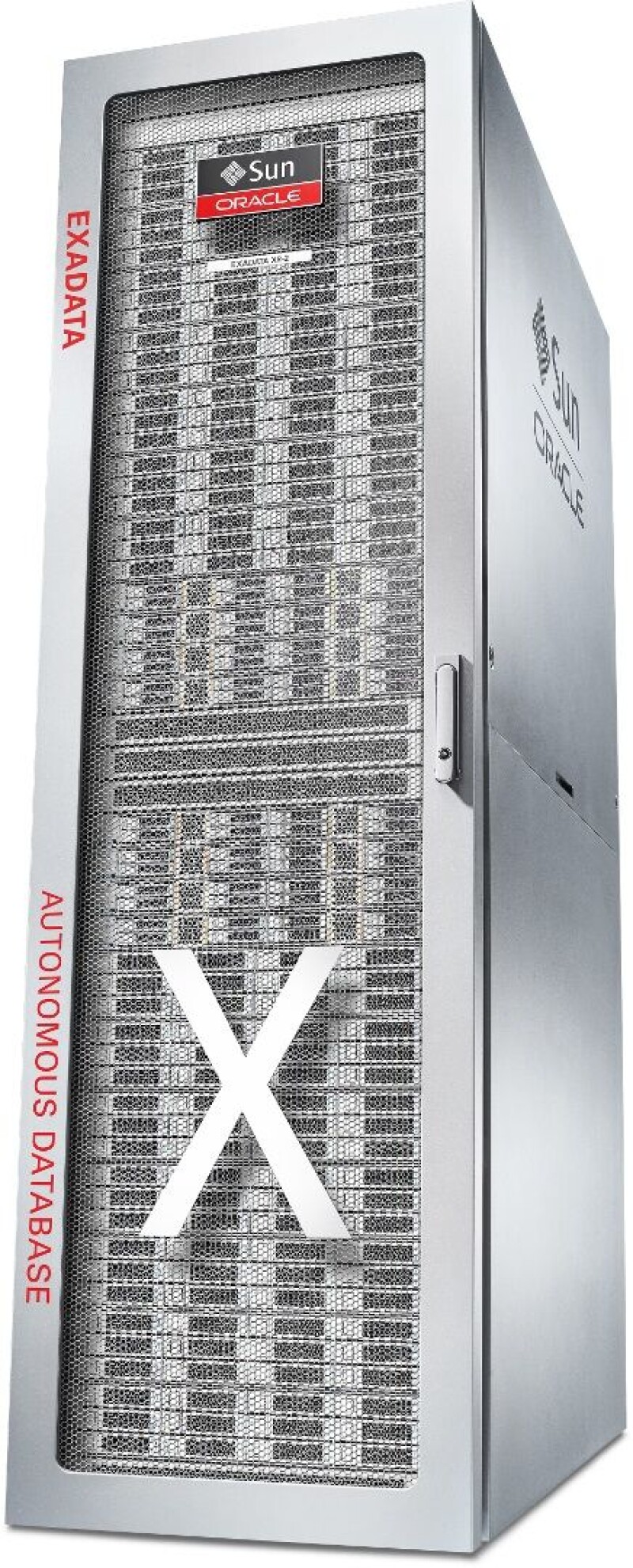
Oracle now offers its Exadata high-performance database hardware as a managed service on the AWS Database@AWS platform, allowing customers to run Exadata workloads inside AWS data centers.
Engineers can obtain Exadata’s performance without managing the underlying hardware, but they must navigate different licensing models and higher compute/storage costs compared with native AWS services. The BYOL option can reduce license needs, yet the service’s less granular sizing makes right-sizing more difficult. Oracle’s marketing emphasis on license savings may obscure these trade-offs, requiring careful cost analysis before adoption.
Written by elseif from the cluster below · every claim links back to a sourceThe three things worth knowing
Oracle Exadata Database@AWS delivers Exadata hardware as a managed service on AWS, enabling high-performance database workloads within AWS data centers.
BYOL licensing can be more favorable (one processor license per 8 ECPU versus 2 vCPU), but compute and storage costs are higher and less granular than EC2 or RDS options.
Experts warn that Oracle’s licensing complexity and potential FUD may hide true expenses, so engineers must evaluate workloads and cost trade-offs carefully.
THE READ
What the cluster adds up to.
The announcement extends Oracle’s Database@AWS offering from lower-level databases to the full Exadata engineered platform. This means Oracle’s proprietary hardware and software stack for high-performance databases is now available as a service inside AWS data centers. Customers can provision Exadata compute and storage without purchasing or maintaining the physical appliances themselves. The service builds on the earlier Database@AWS launch for standard Oracle databases.
Adopting the service brings licensing advantages for those who bring their own licenses, as the required ratio shifts from one processor license per two vCPU in EC2/RDS to one per eight ECPU on Database@AWS. However, the underlying compute and storage prices are higher than comparable EC2 or RDS instances, and the capacity increments are less granular, making fine-tuned right-sizing more challenging. These factors affect the total cost of ownership for database workloads.
Performance benefits from Exadata’s pooled storage and high I/O throughput remain, but experts note that the cost premium may offset those gains for many use cases. The service does not eliminate the complexity of Oracle licensing, and sales representatives may emphasize potential license savings while downplaying the higher infrastructure expenses. This creates a situation where engineers must scrutinize both licensing and infrastructure components to assess true value.
For engineers evaluating the offering, the decision hinges on comparing the Exadata performance uplift against the increased cost and reduced sizing flexibility relative to native AWS database services. Workloads that demand Exadata’s specific hardware optimizations may justify the expense, whereas more generic database workloads might be better served by EC2 or RDS. A thorough cost model that includes licensing, compute, storage, and operational overhead is essential before committing to the Oracle Exadata Database@AWS service.
Written by elseif from the cluster below · checked for specifics the sources never containedTHE CLUSTER