INFRA Signal 425
Hydra 2.3B adds VRAM overclocking and 125% power limit for RTX 50-series GPUs
 ↗
↗
Overclocker 1usmus released Hydra 2.3B, enabling VRAM memory offsets up to +3000 MHz and static power limits up to 125 % on RTX 50-series GPUs.
The new controls let engineers push memory speeds to 36 Gbps, potentially improving graphics performance in demanding workloads. However, the higher power ceiling and memory rates increase power consumption and thermal load, requiring careful cooling and stability testing. The limits are deliberately capped to keep users safe, with hints that future releases may raise them.
Written by elseif from the cluster below · every claim links back to a sourceThe three things worth knowing
Hydra 2.3B supports a maximum memory offset of +3000 MHz, allowing RTX 50-series memory speeds up to 36 Gbps.
The update introduces a static power-limit ceiling of 125 % that applies to all RTX 50-series models.
Additional features include XBAR offset control, second-generation Rail Offsets, and an unrestricted voltage-frequency curve.
THE READ
What the cluster adds up to.
Hydra version 2.3B expands the tool’s feature set to include VRAM overclocking and power-limit adjustments for Nvidia’s RTX 50-series GPUs. The memory offset can be raised by up to +3000 MHz, and the power limit can be set to a static 125 % of the default value, regardless of the specific RTX 50-series model. These changes bring the tool in line with other extreme-overclocking utilities while retaining its own unique controls.
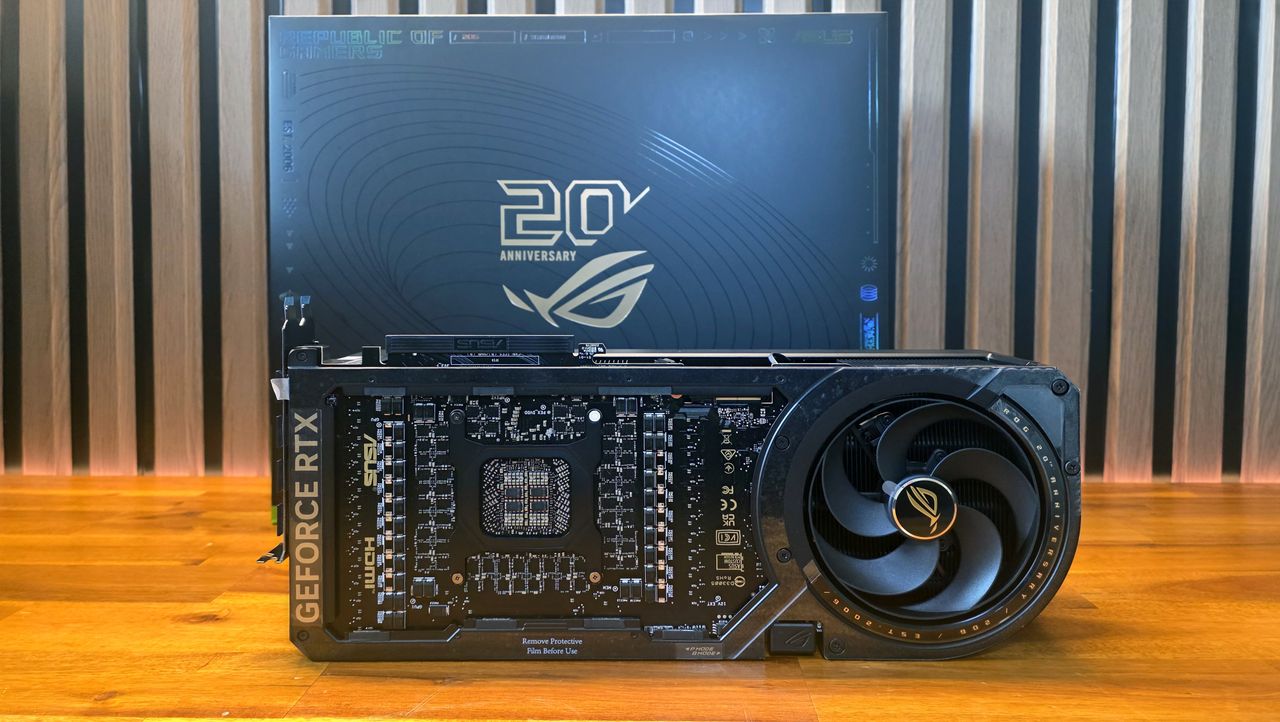
In practice, the memory offset enables GDDR7 memory to reach speeds of 36 Gbps, as demonstrated on an Asus ROG Astral LC RTX 5090. Higher memory bandwidth can translate into better frame rates and reduced bottlenecks in memory-intensive applications. At the same time, the 125 % power ceiling raises the GPU’s power draw, which may require upgraded cooling solutions to maintain stability.
Adopting the new capabilities only requires installing Hydra 2.3B and manually configuring the VRAM and power settings; no additional hardware or licensing costs are mentioned. Engineers must verify stability after each change, as the voltage-frequency curve is now unrestricted compared with prior releases. The tool’s limits are deliberately set to protect hardware, so users cannot exceed the +3000 MHz offset or the 125 % power cap without waiting for future updates.
Beyond VRAM and power controls, Hydra 2.3B adds direct XBAR offset control, support for second-generation Rail Offsets, and an unrestricted voltage-frequency curve, expanding the range of tunable parameters. These features target extreme overclockers who need fine-grained control over interconnect and power delivery. The update also mentions experimental support for the RTX Pro 6000, indicating early testing of the full feature set on professional GPUs.
For engineers, the update provides a deeper level of performance tuning on the latest Nvidia GPUs, but the safety-oriented caps mean that the most aggressive overclocks are still bounded. Understanding the thermal and power implications is essential before deploying the settings in production or benchmark environments. Future iterations may raise the caps, so teams should monitor Hydra releases for expanded headroom.
Written by elseif from the cluster below · checked for specifics the sources never containedTHE CLUSTER