SECURITY Signal 373
Passkeys replace passwords with device-bound cryptographic keys for phishing-resistant logins
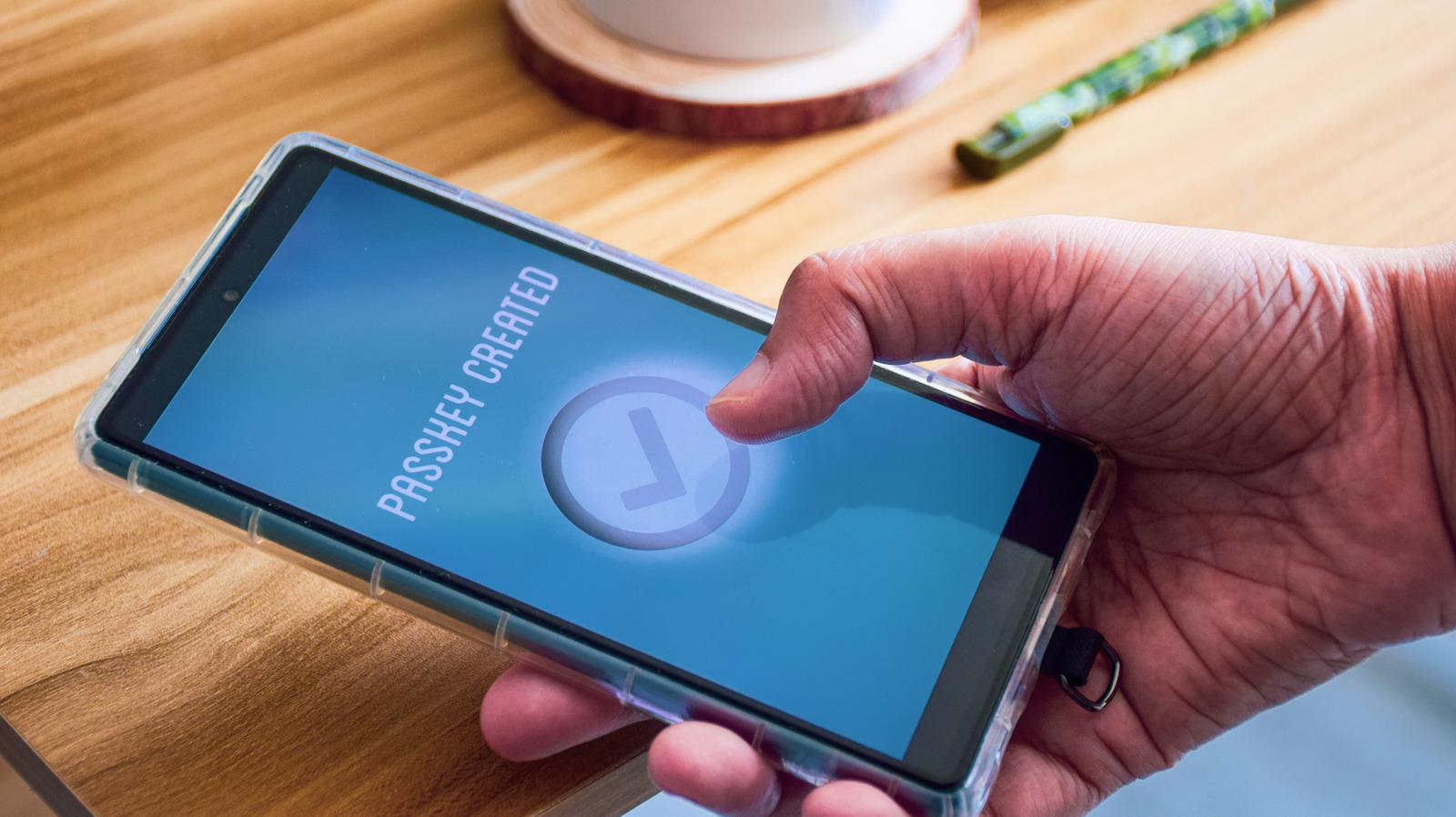 ↗
↗
Passkeys use public-private key pairs tied to devices instead of memorized passwords, eliminating reuse and phishing risks but requiring secure device access.
Passkeys address fundamental password vulnerabilities but shift security responsibility to device protection. Adoption requires infrastructure changes from service providers and user education on recovery procedures. The trade-off between convenience and lockout risk will determine real-world effectiveness.
Written by elseif from the cluster below · every claim links back to a sourceThe three things worth knowing
Passkeys eliminate password reuse and phishing by binding credentials to specific domains and devices
Implementation requires both service provider support and secure device authentication methods like biometrics or PINs
Recovery becomes device-dependent, creating potential lockout scenarios if backup methods aren't established
THE READ
What the cluster adds up to.
Passkeys represent a structural shift in authentication by replacing memorized secrets with cryptographic key pairs. The public key stored by services becomes useless to attackers without the corresponding private key, which remains device-bound. This architecture inherently prevents credential reuse across services and eliminates phishing vectors that rely on users entering passwords into fake sites. The change affects both user behavior and service provider infrastructure, requiring updates to authentication flows and database schemas.
The security model depends entirely on device protection, creating new failure modes. While biometric authentication provides convenience, the underlying device PIN becomes a single point of failure. Users must establish secure backup methods for private keys, whether through cloud sync or physical security keys. Service providers must implement recovery mechanisms that don't reintroduce password-like vulnerabilities. The transition period will see hybrid systems where users maintain both password and passkey access to services.
Implementation costs vary by stakeholder. For service providers, passkey support requires cryptographic library integration and changes to authentication APIs. For users, the immediate benefit is reduced cognitive load from password management, but the long-term cost is dependency on specific devices. Enterprise environments face additional challenges in managing device-based credentials across workforces. The technology stops working when devices are lost, damaged, or inaccessible, making recovery procedures critical to adoption.
The phishing resistance of passkeys comes from their domain-binding property. Unlike passwords that can be entered anywhere, passkeys only authenticate with the specific service they were created for. This eliminates entire classes of attacks but creates new requirements for service discovery and key management. The technology also changes the economics of credential theft, as stolen public keys provide no value to attackers. However, the security model assumes proper implementation of cryptographic standards and secure storage of private keys on devices.
Written by elseif from the cluster below · checked for specifics the sources never containedTHE CLUSTER