INFRA Signal 413
GPU makers reportedly raise entry-level card prices beyond rising memory costs in H2 2026
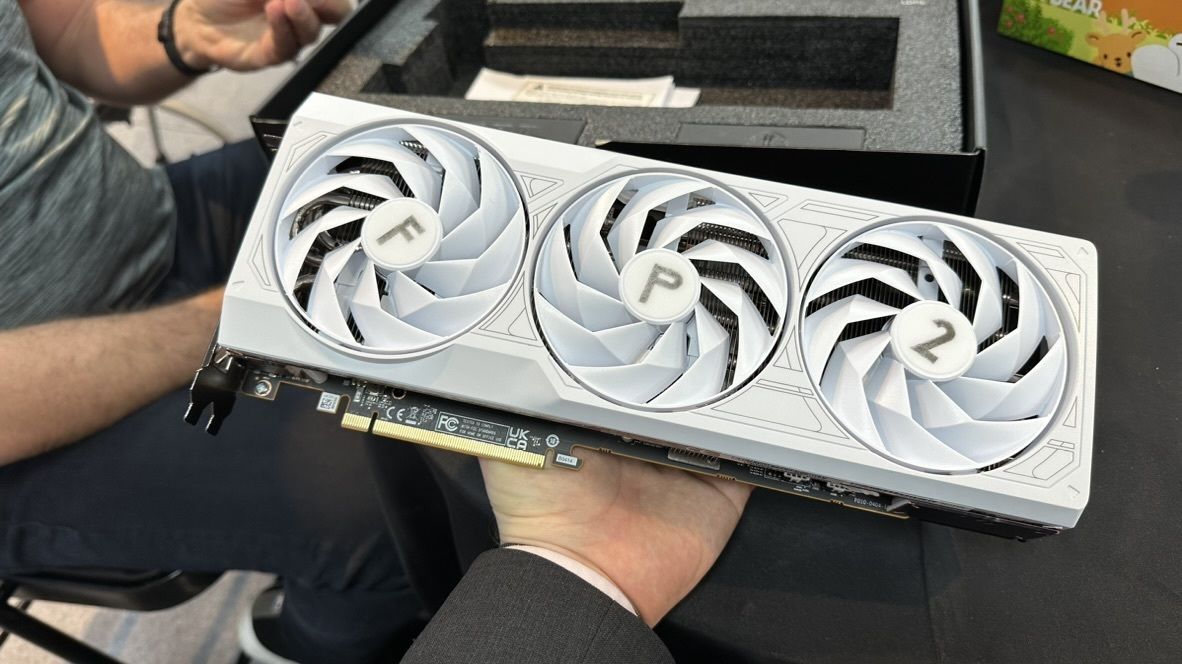 ↗
↗
PC Partner forecasts higher GPU prices and shortages for budget cards in late 2026, citing memory cost increases and declining shipments while an analyst questions profit motives.
Engineers building or maintaining systems with discrete GPUs will face higher hardware costs and tighter supply for entry-level cards. The shift suggests vendors may be prioritizing profit margins over volume, potentially altering cost calculations for budget-sensitive projects.
Written by elseif from the cluster below · every claim links back to a sourceThe three things worth knowing
PC Partner expects GPU prices to rise further in H2 2026, with entry-level cards hit hardest by shortages and price hikes.
Analyst Jon Peddie suggests GPU makers are increasing prices beyond memory cost increases, potentially boosting profits.
Declining shipments and rising average selling prices indicate a market shift toward higher-margin products, particularly in ODM/OEM segments.
THE READ
What the cluster adds up to.
PC Partner’s warning signals a concrete change in the GPU market: entry-level graphics cards will become both more expensive and harder to source in the second half of 2026. The company attributes this to rising memory costs and declining shipments, but the disproportionate impact on budget cards suggests a strategic shift. For engineers, this means higher upfront costs for systems that rely on low-end GPUs, such as workstations for basic rendering or AI inference tasks. The shortage may also delay projects that depend on timely hardware procurement, particularly in cost-sensitive sectors like education or small-scale research labs.
The divergence between unit shipments and revenue reveals a broader trend: GPU vendors are prioritizing higher-margin products over volume. PC Partner’s ODM/OEM segment saw revenue jump 73.9% despite a 38.4% drop in units, driven by a 181% increase in average selling price. This suggests that vendors are focusing on high-end cards, where memory costs are a smaller fraction of the total price, and leaving budget segments underserved. For engineers, this could mean longer lead times or forced upgrades to more expensive GPUs, even for tasks that don’t require high-end performance.
Analyst Jon Peddie’s skepticism about the link between memory costs and price hikes adds a layer of uncertainty. While memory costs are rising, Peddie implies that GPU makers are using this as cover to inflate prices beyond the actual cost increase. This could indicate a market where vendors are testing how much pricing power they have, particularly in segments where demand is less elastic. For engineers, this means treating vendor cost justifications with caution and factoring in potential overpricing when budgeting for future GPU purchases.
The impact of these changes will vary by use case. For engineers working on high-performance computing or AI training, the shift toward high-end GPUs may align with their needs, though at a higher cost. However, for those building systems for less demanding tasks, such as basic visualization or edge computing, the rising prices and shortages of entry-level cards could disrupt cost models. The market’s move away from budget GPUs may also push engineers toward alternative solutions, such as integrated graphics or cloud-based GPU instances, though these come with their own trade-offs in performance and latency.
Written by elseif from the cluster below · checked for specifics the sources never containedTHE CLUSTER