TECH Signal 330
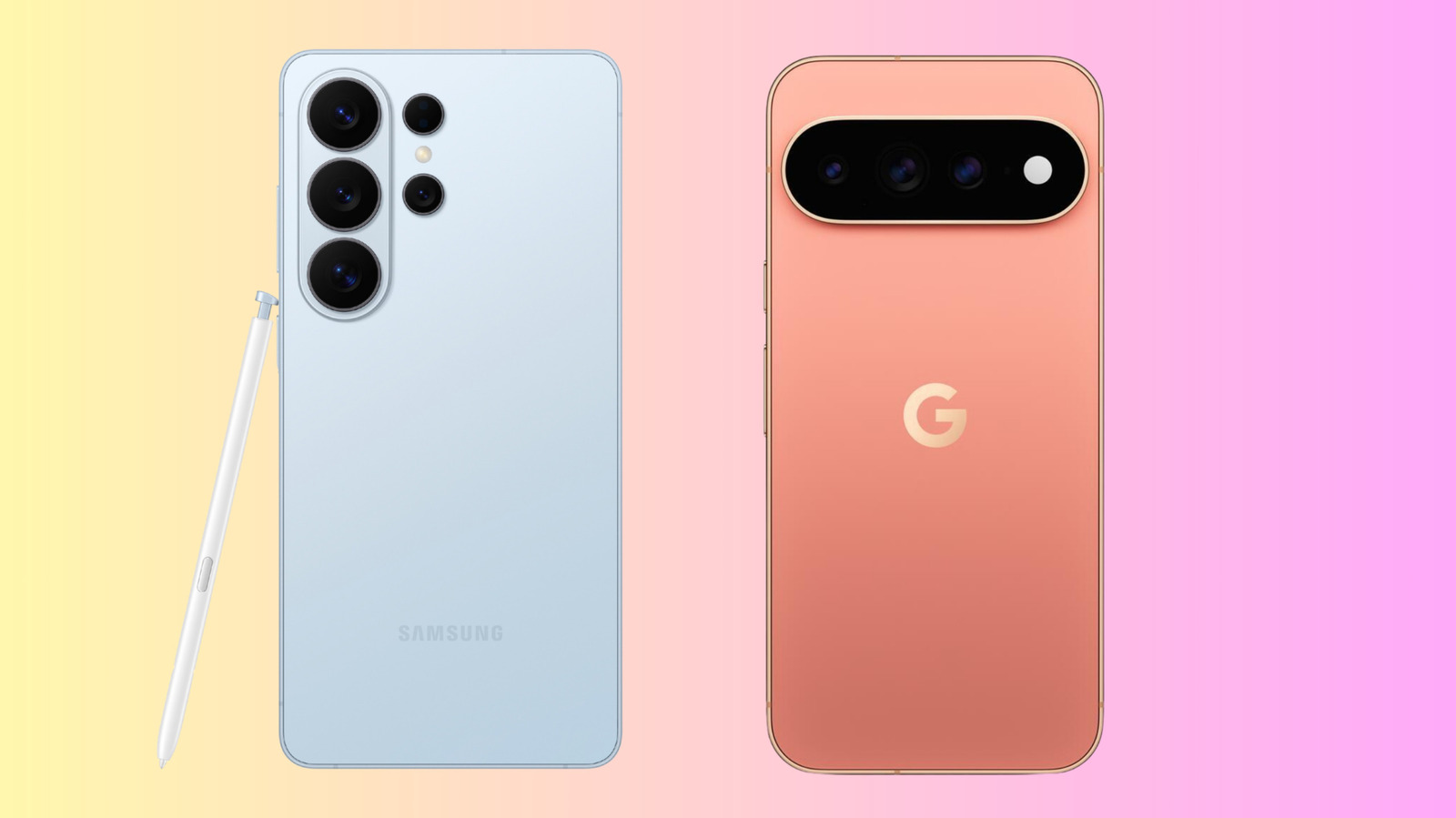
Pixel 11 Pro and Pro XL challenge Galaxy S26 Ultra in hardware and AI specs
 ↗
↗
Google’s latest Pixel flagships narrow the gap with Samsung’s Galaxy S26 Ultra in raw hardware and AI capabilities
The comparison signals a shift in Android flagship competition, where Google’s Tensor-powered devices now rival Samsung’s hardware while pushing AI features. For engineers and developers, this raises the baseline for app optimization and AI integration across Android devices.
Written by elseif from the cluster below · every claim links back to a sourceThe three things worth knowing
Pixel 11 Pro and Pro XL match the Galaxy S26 Ultra in RAM and storage configurations, with 16GB RAM on 1TB models
Google’s Tensor G6 chip claims 50% more AI compute than its predecessor, though real-world performance remains untested
Pixel displays exceed Samsung’s peak brightness but lack the S26 Ultra’s Privacy Display or S Pen support
THE READ
What the cluster adds up to.
Google’s Pixel 11 Pro and Pro XL represent a deliberate push to close the hardware gap with Samsung’s Galaxy S26 Ultra. The Tensor G6 chip, while still untested, promises significant gains in AI processing power, a critical factor for developers building or optimizing AI-driven applications. However, Qualcomm’s Snapdragon 8 Elite Gen 5 in the S26 Ultra remains the benchmark for raw performance, and third-party testing will determine whether Tensor can narrow that lead. For engineers, this competition could accelerate advancements in mobile AI, but it also means more fragmentation in hardware capabilities to account for during development.
Memory and storage configurations are now nearly identical between the two lineups, with both offering 12GB RAM on mid-tier models and 16GB on 1TB variants. This alignment simplifies hardware targeting for app developers, but the Pixel’s smaller display sizes (6.3" and 6.8" vs. the S26 Ultra’s 6.9") may still require UI adjustments for optimal user experience. The Pixel’s higher peak brightness (3,600 nits vs. 2,600 nits) is a notable advantage for outdoor visibility, but Samsung’s Privacy Display introduces a novel feature that could appeal to enterprise or security-focused users. The absence of S Pen support on the Pixel further limits its appeal in productivity use cases.
Battery and charging specs highlight trade-offs between the two devices. The S26 Ultra’s 5,000mAh battery and 60W wired charging outpace the Pixel 11 Pro’s 4,850mAh cell and 30W charging, though the Pro XL’s 5,115mAh battery and 45W charging narrow the gap. Wireless charging remains a weak point for both, with Samsung’s 25W support requiring a separate case for alignment. For engineers, these differences matter when designing power-intensive applications or features that rely on fast charging. The S26 Ultra’s larger battery may offer more headroom for demanding workloads, but the Pixel’s efficiency gains from Tensor G6 could offset this advantage in real-world use.
The comparison underscores a broader shift in Android flagship priorities. Samsung has traditionally led in hardware innovation, while Google focused on software and AI. Now, both companies are converging, with Samsung refining its software polish and Google beefing up its hardware. This convergence could simplify development by reducing extreme hardware disparities, but it also raises the bar for what constitutes a premium Android device. For engineers, the challenge will be balancing optimization for both Tensor’s AI strengths and Snapdragon’s raw performance, while also accounting for niche features like the S Pen or Privacy Display in their applications.
Written by elseif from the cluster below · checked for specifics the sources never containedTHE CLUSTER