TECH Signal 367
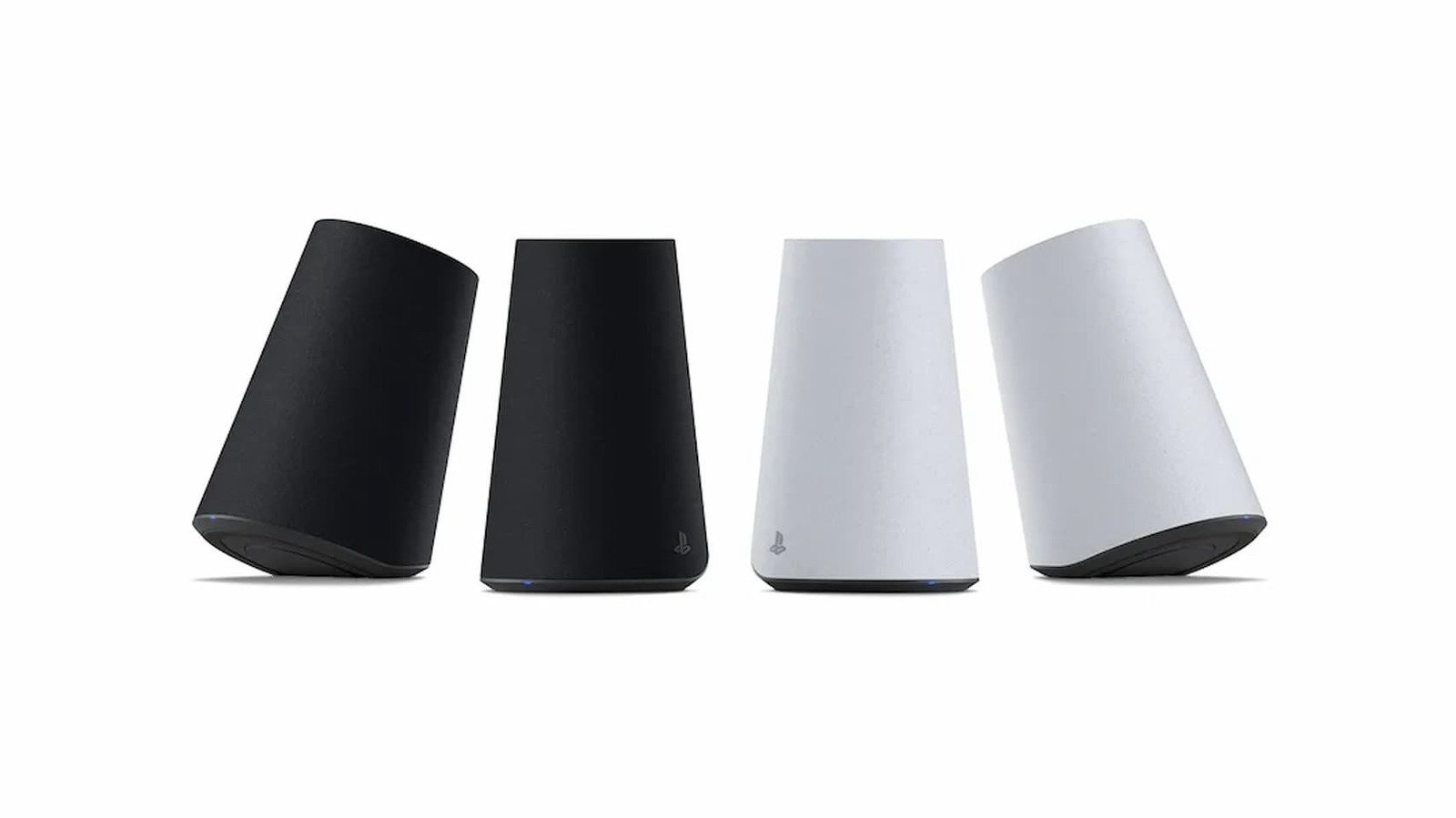
PlayStation Pulse Elevate wireless speakers launch November 12 at $220 with planar magnetic drivers
 ↗
↗
Sony releases $220 Pulse Elevate wireless speakers for PlayStation and PC with planar magnetic drivers and spatial audio support
These speakers target gamers and desktop users with hardware-level audio improvements, but their $220 price and proprietary connectivity may limit adoption. Engineers evaluating audio solutions for low-latency or spatial applications should note the planar magnetic driver approach and PlayStation Link integration.
Written by elseif from the cluster below · every claim links back to a sourceThe three things worth knowing
Pulse Elevate speakers use planar magnetic drivers for claimed high-accuracy sound reproduction across the audible spectrum
Supports Tempest 3D AudioTech for spatial audio and low-latency PlayStation Link connectivity via USB-C adaptor
Works with PS5, PlayStation Portal, PC, Mac, and Bluetooth devices but full specs and battery life remain undisclosed
THE READ
What the cluster adds up to.
The Pulse Elevate speakers introduce planar magnetic drivers to PlayStation’s audio lineup, a technology typically found in high-end audiophile equipment. This choice suggests Sony is prioritizing sound accuracy over cost, which may appeal to engineers working on audio-sensitive applications like spatial audio or game development. However, the lack of disclosed frequency response ranges or distortion metrics leaves performance claims unverified. The $220 price point positions these as premium peripherals rather than mass-market accessories, which could limit their use in cost-sensitive projects or consumer applications outside gaming.
Connectivity options include PlayStation Link for low-latency wireless audio, a proprietary solution that may complicate integration with non-PlayStation hardware. The inclusion of a USB-C adaptor for PlayStation Link suggests backward compatibility with existing devices, but the reliance on proprietary tech could frustrate engineers needing open standards. Bluetooth multipoint pairing offers flexibility, but the undisclosed battery life and lack of technical specs like driver size or amplifier power make it difficult to assess suitability for professional or extended-use scenarios. The noise-suppressing microphone adds utility for voice chat, but its effectiveness in real-world conditions remains untested.
The speakers’ design focuses on gaming-centric features like Tempest 3D AudioTech support, which may not translate well to non-gaming applications. Engineers evaluating these for spatial audio projects should note that the technology is optimized for PlayStation’s ecosystem, potentially limiting cross-platform compatibility. The tilt functionality and presets customizable via PS5 or PC add ergonomic and software flexibility, but the absence of detailed specs, such as total harmonic distortion or signal-to-noise ratio, makes it hard to compare against alternatives. The November launch date and pre-order timeline give developers time to evaluate, but the lack of transparency around performance metrics could delay adoption in professional workflows.
Written by elseif from the cluster below · checked for specifics the sources never containedTHE CLUSTER