TECH Signal 362
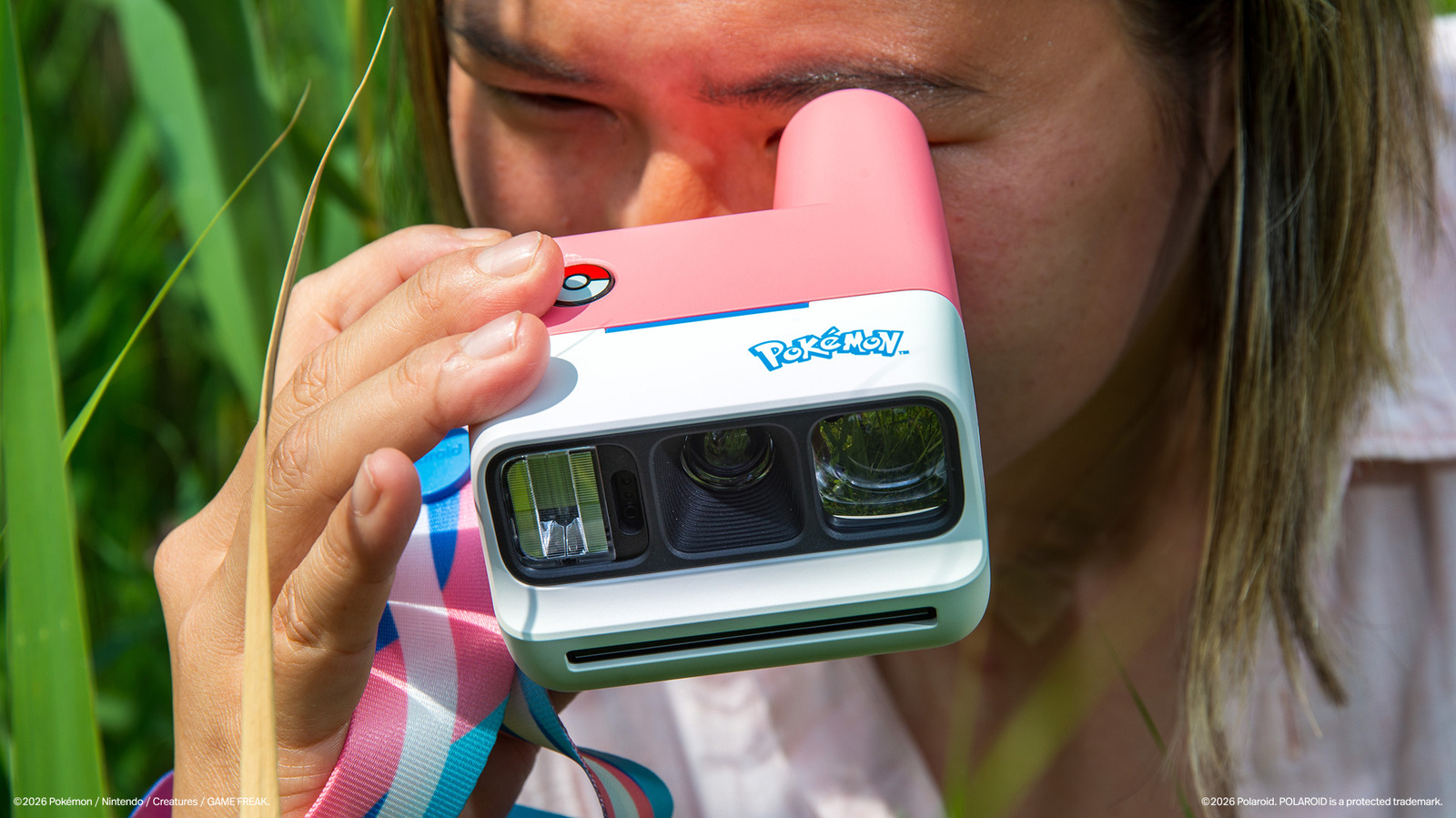
Polaroid releases three Pokémon-themed instant cameras and film reskinning existing models
 ↗
↗
Polaroid and Pokémon collaborate on limited-edition cameras and film, restyling the Polaroid Now and Go with Pokémon designs and accessories
This collaboration targets collectors and fans rather than engineers, but it demonstrates how hardware reskinning can drive consumer demand without altering core functionality. The changes are cosmetic, so no new engineering challenges arise for users of the underlying Polaroid platform.
Written by elseif from the cluster below · every claim links back to a sourceThe three things worth knowing
Three new cameras reskin Polaroid Now and Go models with Pokémon designs, including Pikachu and Sylveon editions
Film and accessories also feature Pokémon-themed frames, cases, and straps, with no technical changes to the imaging system
Pricing remains close to standard models, with preorders opening August 25 and full release on October 5
THE READ
What the cluster adds up to.
Polaroid and Pokémon’s collaboration introduces no new hardware or software capabilities. The cameras are restyled versions of the Polaroid Now and Go Generation 3, retaining their existing features, such as the dual-lens autofocus system and improved flash, while adding Pokémon-themed exteriors. This approach allows Polaroid to leverage its existing manufacturing and supply chain without requiring new engineering work for the core product. The only technical change is the addition of Pokémon-themed frames on the instant film, which is a cosmetic layer applied during printing rather than a modification to the film chemistry or camera mechanics.
For engineers or operators, this event is notable primarily as a case study in product differentiation through branding. The underlying Polaroid platform remains unchanged, meaning compatibility with existing accessories, film types, and third-party modifications is preserved. The collaboration’s value lies in its appeal to collectors and fans, not in any functional upgrade. The cameras’ pricing, $100 for the Go models and $140 for the Now, aligns with the standard Generation 3 models, suggesting the reskinning adds minimal production cost. This strategy contrasts with hardware updates that require new tooling or component sourcing, which would typically incur higher costs and longer lead times.
The accessories and film frames extend the Pokémon theme without introducing technical complexity. The Pokéball-shaped case, themed photo album, and camera strap are purely aesthetic additions, while the film frames are printed overlays that do not affect the film’s performance. The web portal for tracking collected dark slides is a software feature, but it serves as a marketing tool rather than a technical innovation. For engineers, the takeaway is that reskinning can be a low-risk way to refresh a product line, provided the underlying hardware remains reliable and the branding does not interfere with functionality.
The collaboration’s timing, tied to Pokémon’s 30th anniversary, highlights how external events can drive product releases without requiring internal technical milestones. The preorder and release dates are set to capitalize on holiday shopping, a common strategy for limited-edition consumer electronics. While this event does not introduce new engineering challenges, it underscores the importance of understanding market dynamics when planning product launches. For Polaroid, the partnership likely aims to attract a younger or more niche audience, but the lack of technical changes means the cameras’ performance will be identical to their non-themed counterparts.
Written by elseif from the cluster below · checked for specifics the sources never containedTHE CLUSTER