TECH Signal 293
Potatoes may have given Indigenous Andeans a digestive superpower
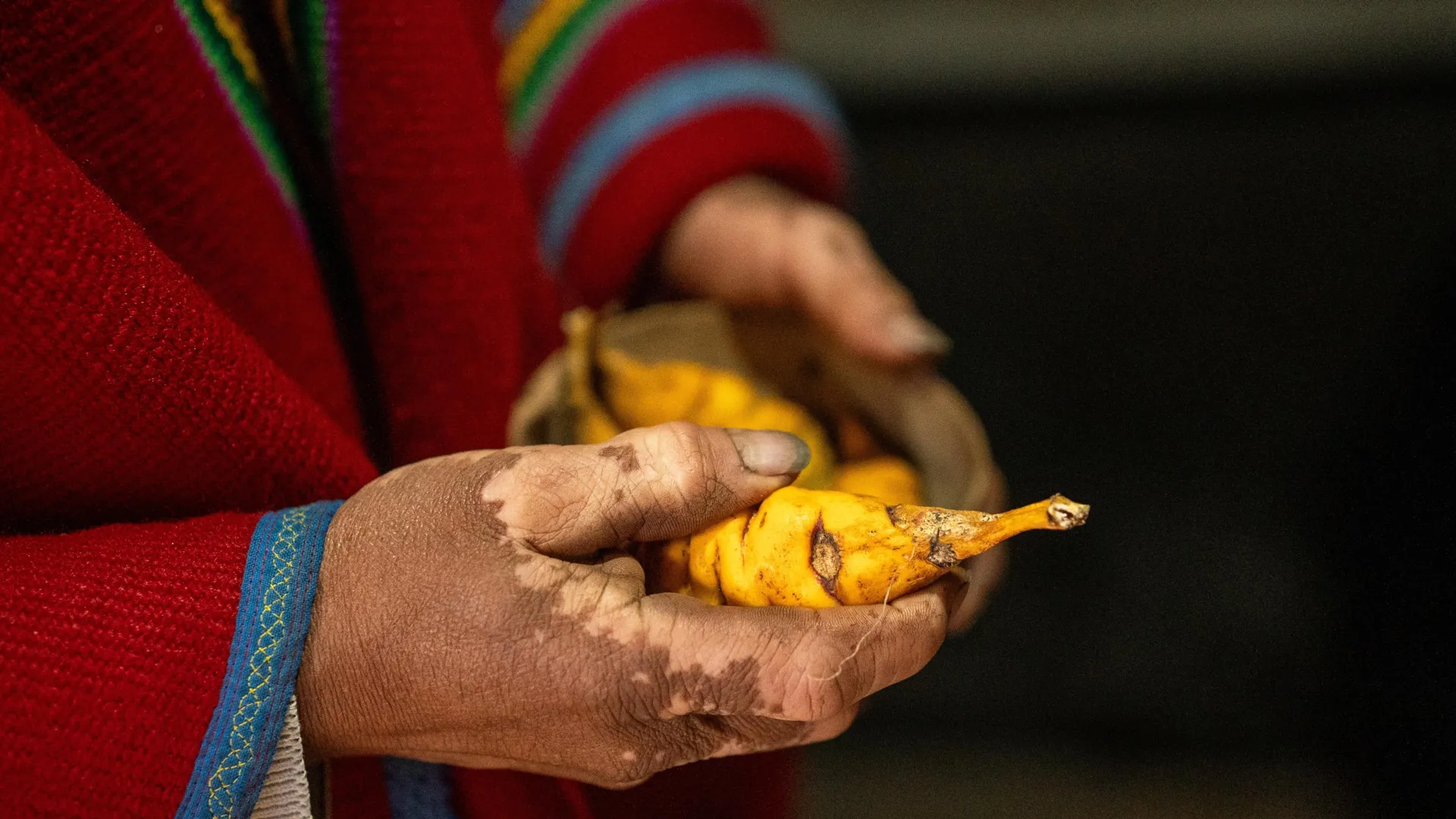 ↗
↗
Researchers have shown that Indigenous Andean peoples carry unusually high numbers of the starch-digestion gene AMY1, a pattern linked to millennia of potato consumption.
The finding provides a concrete example of diet-driven genetic adaptation, which can inform models that predict metabolic traits from genomic data. Engineers building genetic-analysis pipelines or personalized-nutrition services need to account for population-specific copy-number variation to avoid systematic bias.
Written by elseif from the cluster below · every claim links back to a sourceThe three things worth knowing
Peruvian Andean individuals average about ten copies of the AMY1 gene, several more than any other surveyed population.
Selection pressure from potato as a staple food, beginning roughly six to ten thousand years ago, gave carriers of higher AMY1 copies a modest reproductive advantage each generation.
A comparison with the Maya, who lack a potato-based diet, underscores that the gene-copy increase is tied to specific dietary history rather than universal human variation.
THE READ
What the cluster adds up to.
The study compared DNA from Quechua-speaking Peruvians with large genomic databases and found a striking elevation in AMY1 copy number, the enzyme that initiates starch breakdown in saliva. This genetic signature is the strongest among the 83 populations examined, indicating a localized evolutionary response. The researchers attribute the pattern to natural selection rather than a recent mutation event.
Evolutionary modeling suggests that individuals with roughly ten or more AMY1 copies enjoyed a small but measurable survival or reproductive edge after potatoes became a dominant crop in the highlands. Over many generations, this advantage gradually shifted the population’s genetic makeup, eliminating lower-copy carriers. The estimated advantage per generation was about 1.24%, a figure that accumulated over thousands of years.
For engineers working on genomic data platforms, the result highlights the importance of incorporating copy-number variation into phenotype prediction algorithms. Standard pipelines that assume uniform gene copy numbers may misestimate starch-digestion capacity for Andean users, leading to inaccurate health or nutrition recommendations. Adjusting reference datasets to reflect such population-specific traits can improve the precision of downstream applications.
The adaptation is geographically and culturally bounded; it does not extend to groups without a historic reliance on potatoes, such as the Maya, who show lower AMY1 copy numbers. Consequently, models built on Andean data cannot be generalized to all human populations without correction. Recognizing these limits prevents over-extrapolation of genetic findings to unrelated cohorts.
Written by elseif from the cluster below · checked for specifics the sources never containedTHE CLUSTER