ARCHITECTURE Signal 168
Uber Eats migrated feed screens from native to single-page WebView architecture to bypass app store release cycles
 ↗
↗
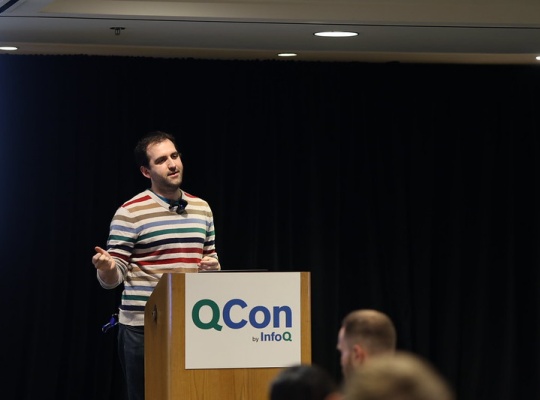
Nick DiStefano detailed how Uber Eats moved its feed screens from traditional native stacks to a native-driven, single-page WebView architecture, covering cross-platform state management, native-web message bridges, and large-scale UI migration without degrading metrics.
For teams weighing whether to move mobile UI to web rendering, this is a production case at massive scale, hundreds of screens, hundreds of developers, thousands of metrics, rather than a prototype. The talk addresses the practical costs: edge cases in Apple's and Google's sandboxes, migration sequencing, and the infrastructure needed to avoid the performance and UX pitfalls that have historically made cross-platform mobile stacks unreliable.
Written by elseif from the cluster below · every claim links back to a sourceThe three things worth knowing
Uber Eats replaced native feed screens with a native-driven, single-page WebView architecture, retaining native control rather than going fully web-only.
The migration addressed bypassing native release cycles, cross-platform state management, and building generic native-web message bridges.
DiStefano covers limitations and prerequisites, noting that significant infrastructure must already exist for this approach to succeed at scale.
THE CLUSTER