INFRA Signal 176
Spritely Presentation Highlights Decentralization Solutions for Future Internet
 ↗
↗
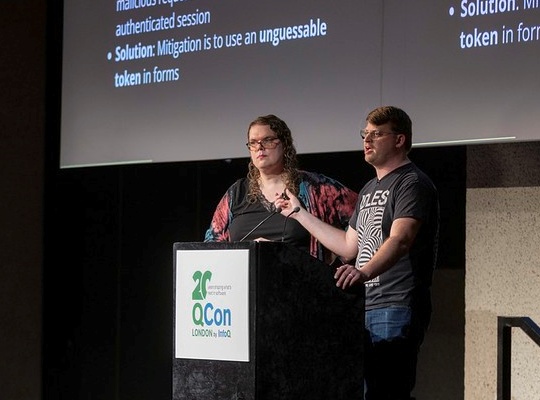
Christine Lemmer-Webber and David Thompson detail Spritely's architecture addressing decentralization challenges through innovative technologies.
Spritely proposes a new infrastructure aimed at enhancing decentralization on the internet. This approach could mitigate the issues posed by centralized technologies, such as control and data privacy concerns. By focusing on capability-based access and peer-to-peer applications, Spritely seeks to empower users with more control over their online experience.
Written by elseif from the cluster below · every claim links back to a sourceThe three things worth knowing
Spritely utilizes capability-based access control with Goblins and actor-model communication via OCapN.
The architecture supports local-first CRDTs for secure peer-to-peer applications without central servers.
The presentation emphasizes the importance of decentralization for user freedom and resilient online systems.
THE READ
What the cluster adds up to.
The presentation on Spritely outlines a significant architectural shift towards decentralization, tackling core challenges that arise from centralized systems. By leveraging technologies like Goblins and OCapN, Spritely aims to enhance user control and privacy in online interactions.
Adopting Spritely's infrastructure may require organizations to rethink their current architectures and invest in new technologies like WebAssembly and CRDTs. This could involve both a learning curve and financial investment in new tools and training.
Spritely's solutions may face limitations in scalability and integration with existing centralized systems, which could hinder widespread adoption. Organizations need to assess whether the benefits of decentralization outweigh these potential challenges in their specific contexts.
Written by elseif from the cluster below · checked for specifics the sources never containedTHE CLUSTER