TECH Signal 217
Honeybee queens shed pesticide burden into eggs, a survival tactic that may harm colonies
 ↗
↗
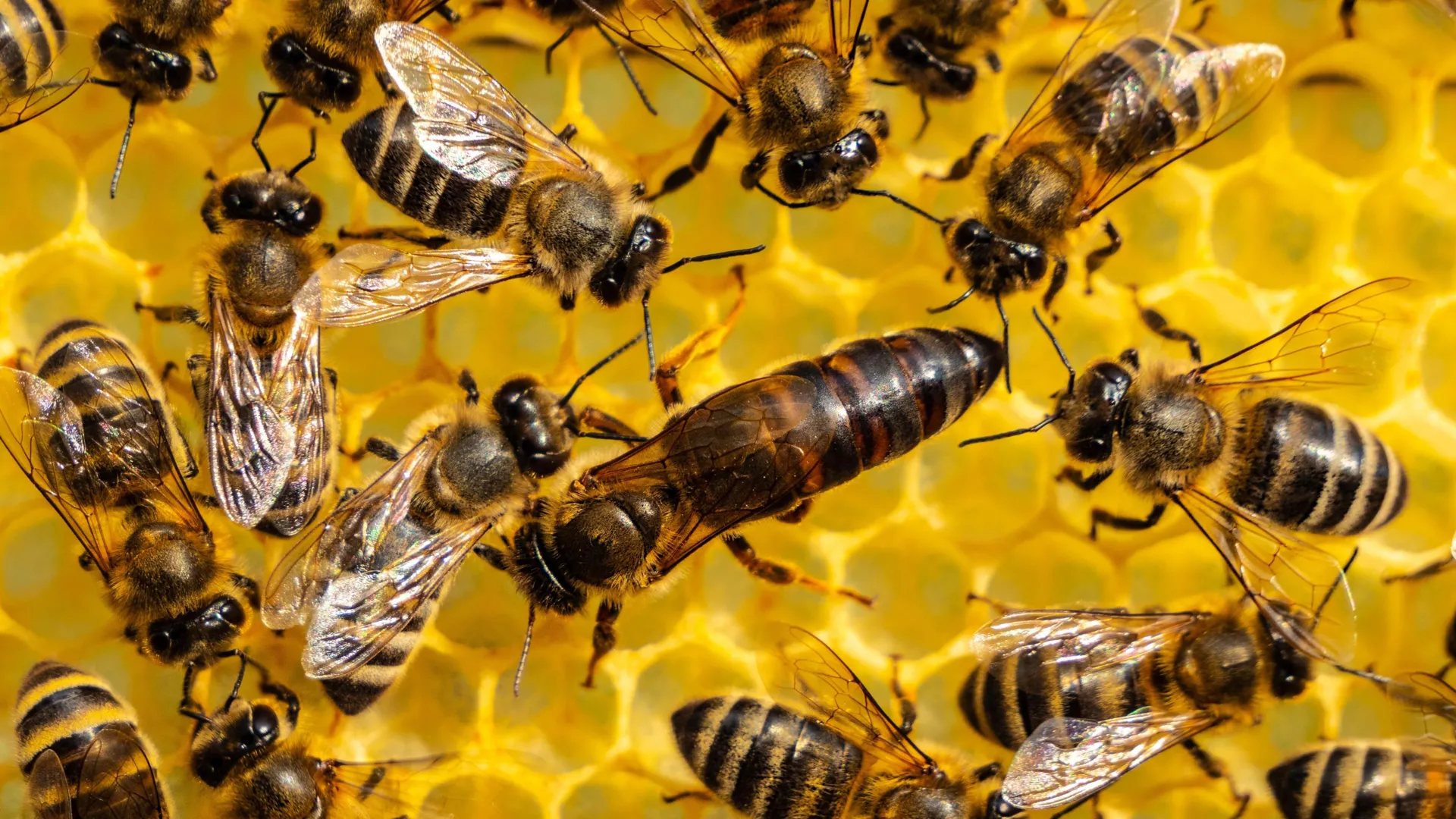
Honeybee queens exposed to pesticides can shift some contamination into their eggs, a previously unknown survival strategy that may protect the queen while risking the colony.
For engineers in agriculture and environmental monitoring, this reveals a hidden pathway for pesticide accumulation in hives. Even sublethal doses can build up in queens and be passed to offspring, potentially leading to delayed colony collapse. This affects how pesticide applications are timed and how hive health is monitored.
Written by elseif from the cluster below · every claim links back to a sourceThe three things worth knowing
Worker bees filter pesticides from food, but their capacity can be overwhelmed, allowing accumulation in queens over time.
Queens offload chemicals into their eggs via maternal offloading, a defense never before shown in honeybees.
Using nanocolonies and radioactive tagging, researchers found worker filtration efficiency dropped from 95% to 86% over ten days.
THE CLUSTER