TECH Signal 186
Rare congenital TORCH infections triple autism risk
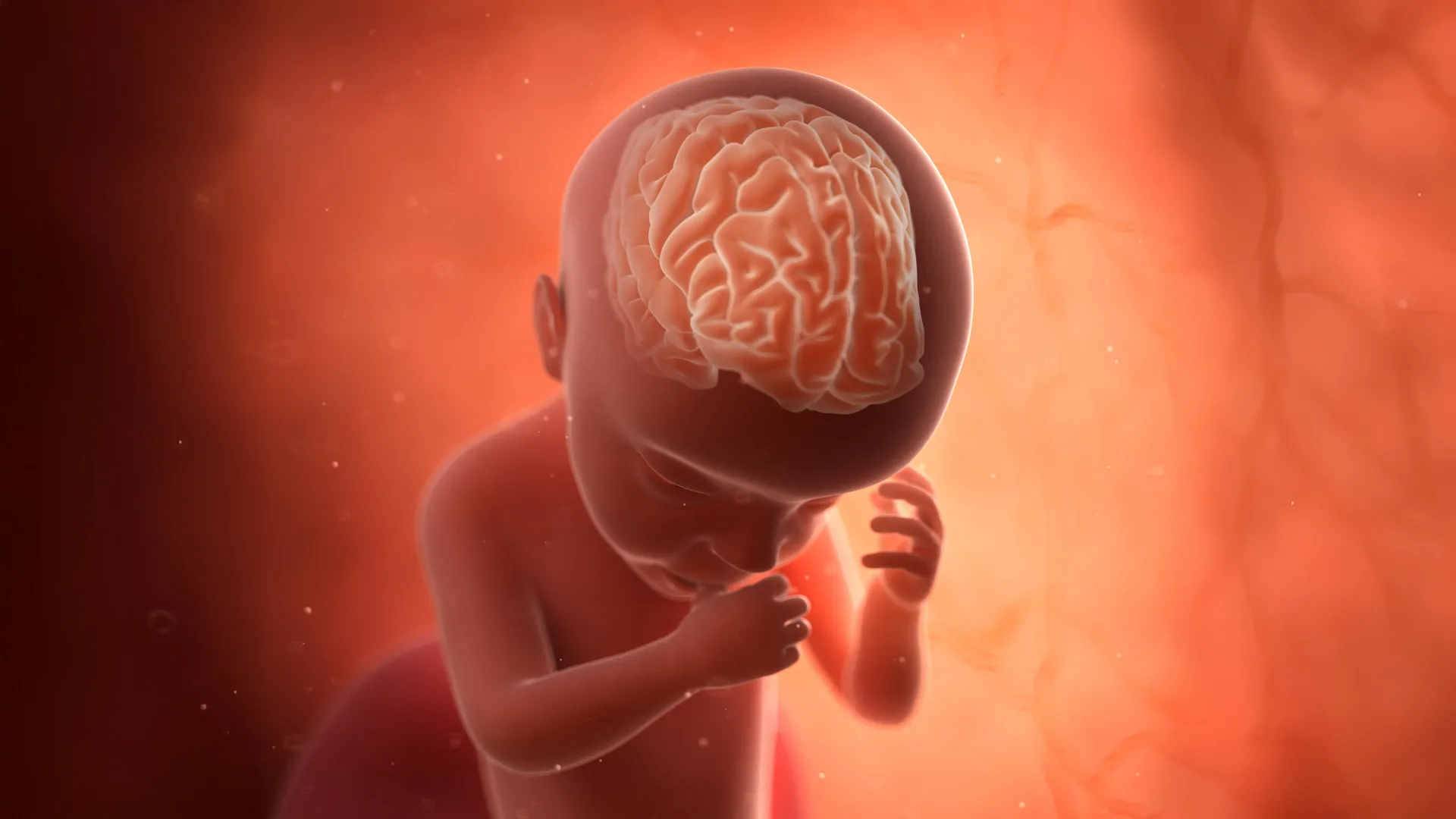 ↗
↗
A Swedish registry study of 3.7 million births links congenital TORCH infections to a threefold increase in autism risk and higher rates of intellectual disability.
The finding quantifies a previously uncertain association, showing that while these infections cause only a tiny fraction of autism cases, they substantially raise individual risk and underscore the need for prenatal infection screening.
Written by elseif from the cluster below · every claim links back to a sourceThe three things worth knowing
Congenital TORCH infections raise autism diagnosis risk by roughly three times.
The infections also increase severe intellectual disability risk up to thirtyfold.
Despite the large relative risk, the absolute number of affected births remains very small.
THE READ
What the cluster adds up to.
The study establishes a clear statistical link between prenatal TORCH infection and later autism diagnosis, moving the association from speculation to documented risk.
Adopting routine screening for these infections would require healthcare systems to allocate resources for testing and follow-up, increasing prenatal care costs.
Because the infections are rare, the overall public health impact is limited, but the elevated risk for affected families makes targeted prevention and early intervention strategies more relevant.
The sibling comparison design weakens the argument that shared familial factors explain the association, strengthening the causal interpretation but also highlighting that genetics alone does not account for the observed risk increase.
Written by elseif from the cluster below · checked for specifics the sources never containedTHE CLUSTER