INFRA Signal 345
Raspberry Pi locks boards to factory RAM capacities in firmware, blocking upgrades and repairs
 ↗
↗
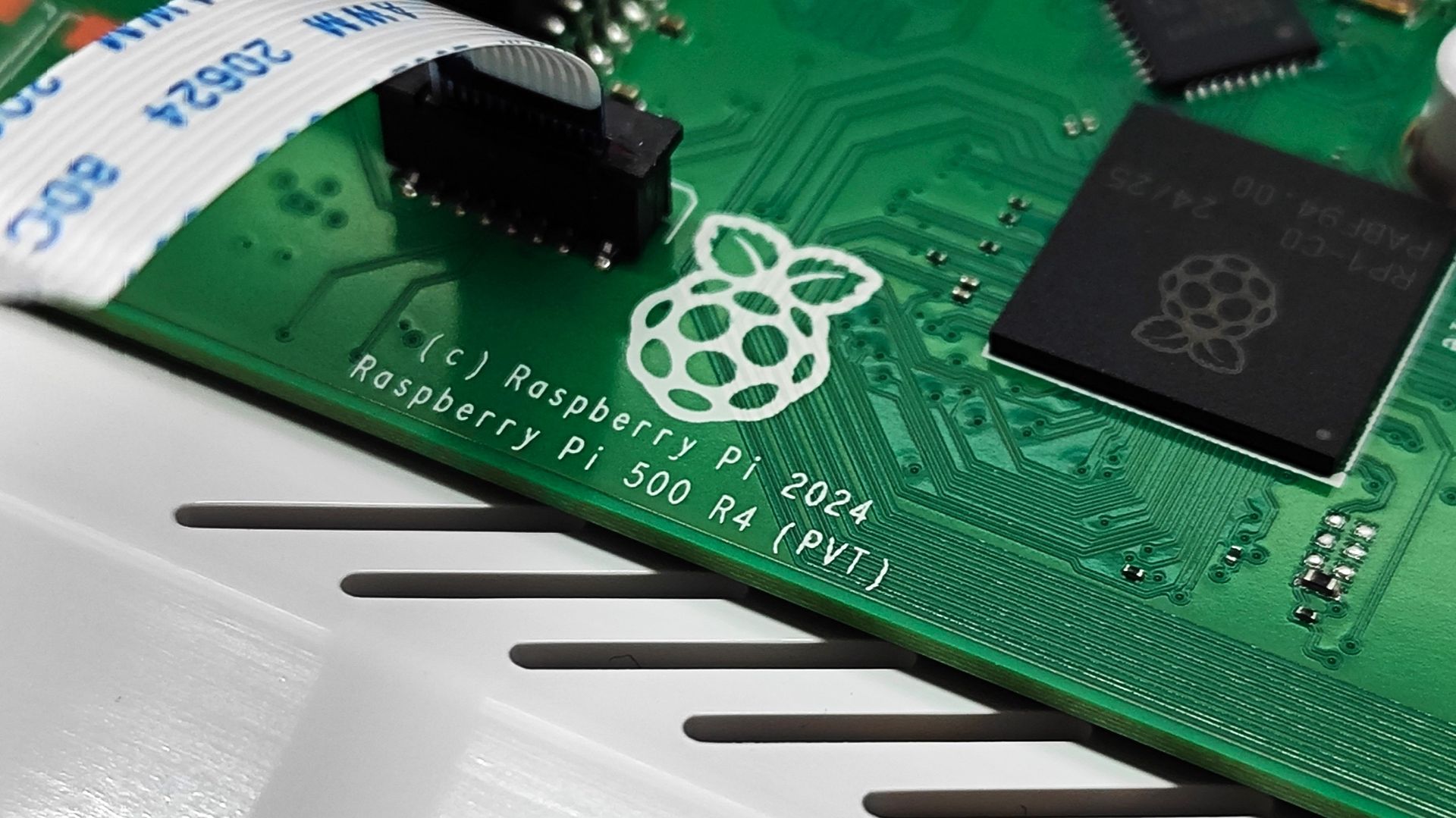
Raspberry Pi users are being firmware blocked from swapping the RAM chips on their SBCs for repairs or upgrades.
This change restricts DIY modders from customizing or repairing their devices, potentially limiting the appeal of Raspberry Pi boards. The decision reflects a shift in Raspberry Pi's approach, prioritizing reliability over user modification. It may also affect the resale and repair market for Raspberry Pi products.
Written by elseif from the cluster below · every claim links back to a sourceThe three things worth knowing
Raspberry Pi has locked devices to their original RAM size via firmware updates.
The company cites reliability concerns and potential support burdens as reasons for this lock.
DIY modders are discouraged from attempting RAM upgrades or repairs, as it has been deemed ineffective.
THE READ
What the cluster adds up to.
Raspberry Pi's decision to lock boards to their factory RAM sizes through firmware updates effectively prevents users from upgrading or repairing their RAM chips. This change aims to eliminate the risks associated with using untested parts, which could lead to device instability and support issues.
The cost of adopting this new firmware is significant for users who wish to modify their devices. They are now faced with the challenge of either accepting the locked configuration or attempting to flash older firmware versions, which may not be readily available or straightforward to implement.
This move could alienate the DIY community that has historically embraced Raspberry Pi products for tinkering and customization. By prioritizing device reliability and support, Raspberry Pi might be sacrificing its appeal to a core segment of its user base, potentially affecting future sales and community engagement.
The decision appears to go against the ethos of Raspberry Pi, which has traditionally supported modding and customization. The backlash from prominent community members suggests that many users expected a more flexible approach, such as implementing a warranty bit or a firmware flag, to allow for upgrades without compromising support.
As a result, users may need to seek alternative solutions or consider other single-board computers that offer more flexibility for modifications. The long-term impact on Raspberry Pi's reputation within the maker community remains to be seen as this firmware lock raises concerns about the future of user-driven innovation on these platforms.
Written by elseif from the cluster below · checked for specifics the sources never containedTHE CLUSTER