TECH Signal 138
Sergei Loznitsa's Film Explores Idealism in Stalin's Purges
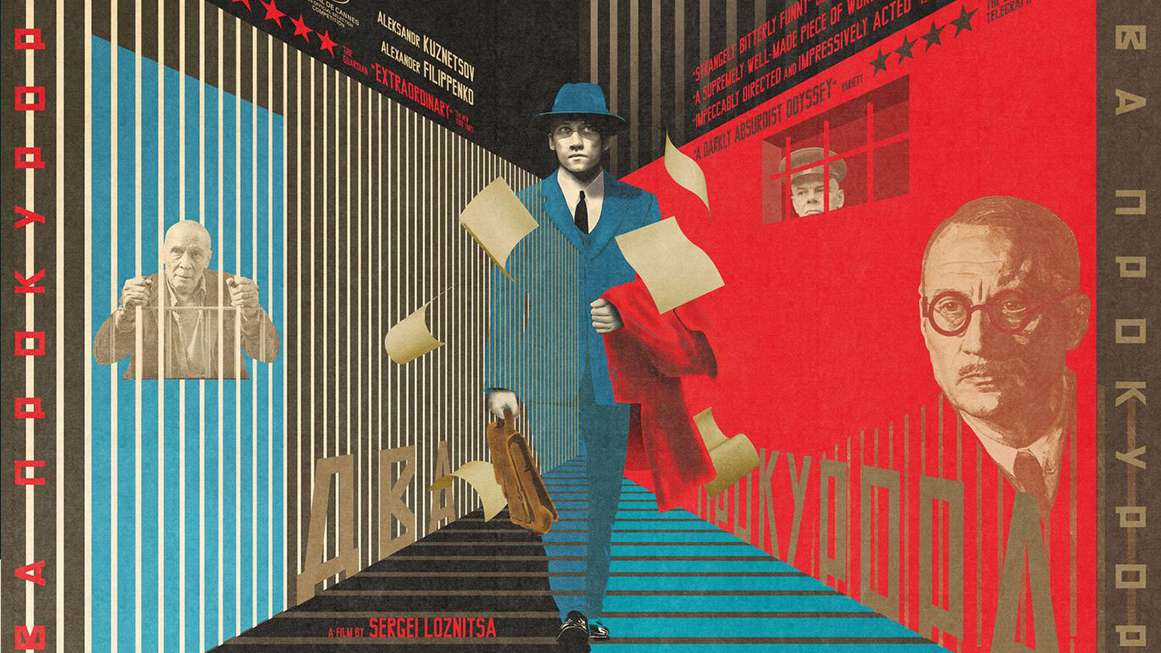 ↗
↗
Two Prosecutors depicts a young attorney's struggle with moral integrity during Soviet-era political repression.
The film highlights the tension between legal idealism and authoritarian systems, offering parallels to modern debates about ethics in institutional power structures. For engineers, it raises questions about maintaining integrity in systems designed to suppress dissent.
Written by elseif from the cluster below · every claim links back to a sourceThe three things worth knowing
The protagonist's belief in legal principles clashes with Stalinist reality
The prisoner's delusion mirrors the 'Good czar, bad boyars' narrative
Historical inevitability contrasts with character naivety
THE READ
What the cluster adds up to.
Two Prosecutors uses historical context to examine how institutional power corrupts legal ideals. The film's young attorney represents a naive faith in procedural justice within a system engineered for arbitrary punishment. This mirrors modern challenges where technical systems must balance formal rules with ethical outcomes. The prisoner's belief in Stalin's benevolence reveals how authoritarian regimes weaponize hope. This dynamic parallels contemporary issues where users trust platforms to act as neutral arbiters while those platforms enforce opaque, politically influenced policies. The film's dark humor underscores the absurdity of such misplaced faith. Loznitsa's approach avoids didacticism by focusing on personal rather than systemic failure. The protagonist's journey from idealism to grim acceptance reflects the cost of integrity in repressive environments. For engineers working in regulated fields, this raises questions about designing systems that resist rather than enable such moral compromises. The film's historical setting provides a safe distance for audiences to reflect on present-day issues. By framing the story during the purges, Loznitsa creates a cautionary tal
Written by elseif from the cluster below · checked for specifics the sources never containedTHE CLUSTER