TECH Signal 378
Researchers Revive TEMPEST Attacks Using Injected RF Signals
 ↗
↗
Comments
The revival of TEMPEST attacks highlights vulnerabilities in modern electronics, even those designed for air-gapped security. As researchers demonstrate effective techniques for malicious signal injection, the implications for privacy and security in electronic communications become concerning. This approach may lead to new open-source tools that could further exploit these vulnerabilities.
Written by elseif from the cluster below · every claim links back to a sourceThe three things worth knowing
Researchers successfully demonstrated a technique called InjectEave to revive TEMPEST attacks using injected RF signals.
The technique allows for the recovery of internal signals from various electronic devices, including VoIP phones and smart home devices.
Short-range capabilities of the method highlight significant privacy risks, as attackers can listen to conversations and manipulate phone calls.
THE READ
What the cluster adds up to.
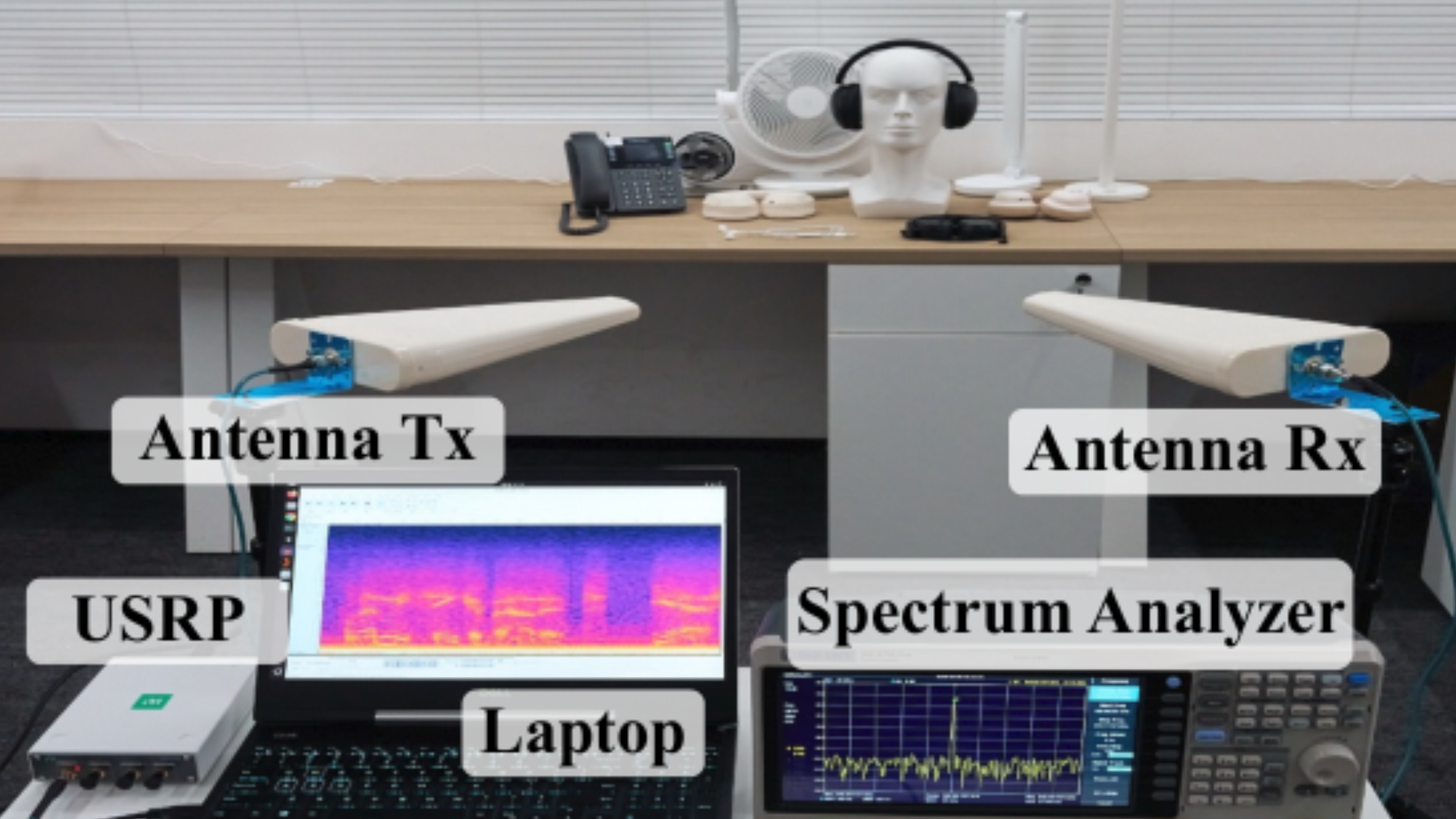
The researchers' technique, InjectEave, revives the effectiveness of TEMPEST attacks by injecting a radio frequency signal into electronic devices. This method exploits inherent nonlinear mixing properties in modern electronics, which can now unintentionally radiate meaningful signals due to the injected frequency. This contrasts with previous configurations, where such emissions were minimal or non-existent without direct access to the device.
Adopting this technique may require access to specialized equipment, like a USRP B210 SDR for signal transmission and a spectrum analyzer for demodulation. While this may not be prohibitively expensive for a well-equipped attacker, the requirement for specific RF knowledge and equipment may limit the immediate accessibility of this method to the average individual, but could also lead to the development of open-source tools that simplify the process.
The technique's effectiveness extends to a variety of electronic devices and has demonstrated the ability to recover audio and manipulate communications over considerable distances, indicating that the method could be applied in multiple scenarios. However, the efficacy diminishes with increasing distance from the target device, and the technique relies on precise tuning of the injected frequency to the device's internal antennas, which may require some trial and error.
Written by elseif from the cluster below · checked for specifics the sources never containedTHE CLUSTER