TECH Signal 390
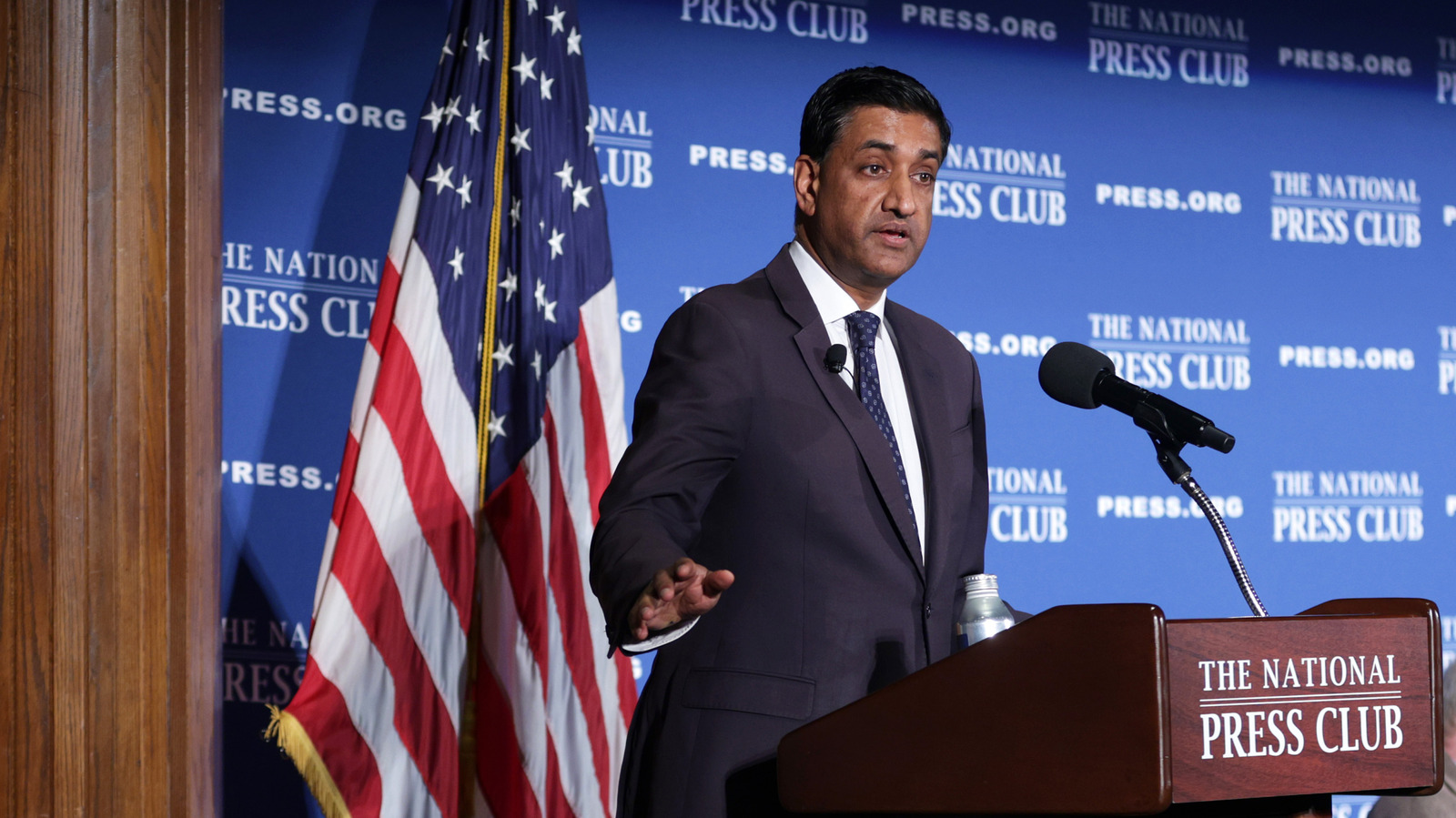
Ro Khanna calls for the right to oppose data centers to be protected
 ↗
↗
Representative Ro Khanna proposes a Data Center Bill of Rights to protect local communities' ability to oppose or restrict data center projects near homes and schools.
If adopted, the measure would introduce new siting constraints such as setback distances and clean-energy mandates that engineers must address early in project planning. It also signals growing federal attention to local opposition, potentially increasing compliance costs and limiting sites where data centers can be built.
Written by elseif from the cluster below · every claim links back to a sourceThe three things worth knowing
The resolution calls for a transparent community process that lets local governments reject data center projects.
It proposes a 2,500-foot setback from homes, schools, childcare facilities, hospitals, or nursing homes.
It seeks to require data center operators to use clean energy, provide operational transparency, and refrain from changing local electricity rates.
THE READ
What the cluster adds up to.
Khanna’s resolution frames the ability to oppose data centers as a protected right, moving the debate from isolated state moratoria to a potential federal safeguard. The measure is presented as an outline for a bill rather than enacted law, so its immediate legal effect is limited. It follows several state-level attempts to pause or block data center construction, including a one-year moratorium in New York. By invoking a "Data Center Bill of Rights," the resolution seeks to counter federal tendencies to preempt local regulation.
The core provisions include a transparent community process that would allow residents to vote or otherwise block projects, and a setback rule of 2,500 feet from sensitive locations such as homes and schools. Engineers would need to incorporate these distance limits into site selection studies and early community outreach plans. The resolution also calls for data center operators to disclose operational details and to avoid altering local electricity rates, adding procedural steps to permitting. Finally, it demands that facilities use clean energy, which could affect power procurement and design choices.
Motivations cited in the text are the pollution from backup generators and turbines and concerns about water consumption from AI data centers. These environmental concerns have driven local protests and state-level pauses, but federal policy has often tried to prevent states from regulating data centers. The resolution aims to give communities a tool to resist federal preemption when state action is insufficient or blocked. Consequently, adopting the bill would likely increase the regulatory burden on new data center developments.
However, the resolution does not outright ban data centers; it merely preserves the option for communities to say no, meaning projects can still proceed where local opposition is absent or unsuccessful. Its success depends on legislative passage, which faces potential opposition from industry and may be altered or stalled in Congress. For engineers, the proposal signals a need to anticipate stricter local siting rules and to integrate clean-energy and transparency measures early to reduce risk of later rejection. Until the measure becomes law, its impact remains speculative but indicative of a shifting regulatory landscape.
Written by elseif from the cluster below · checked for specifics the sources never containedTHE CLUSTER