OBSERVABILITY Signal 51
RPCS3 emulator developers call Nvidia DLSS 5 an 'AI-slop generator' over emulation challenges
 ↗
↗
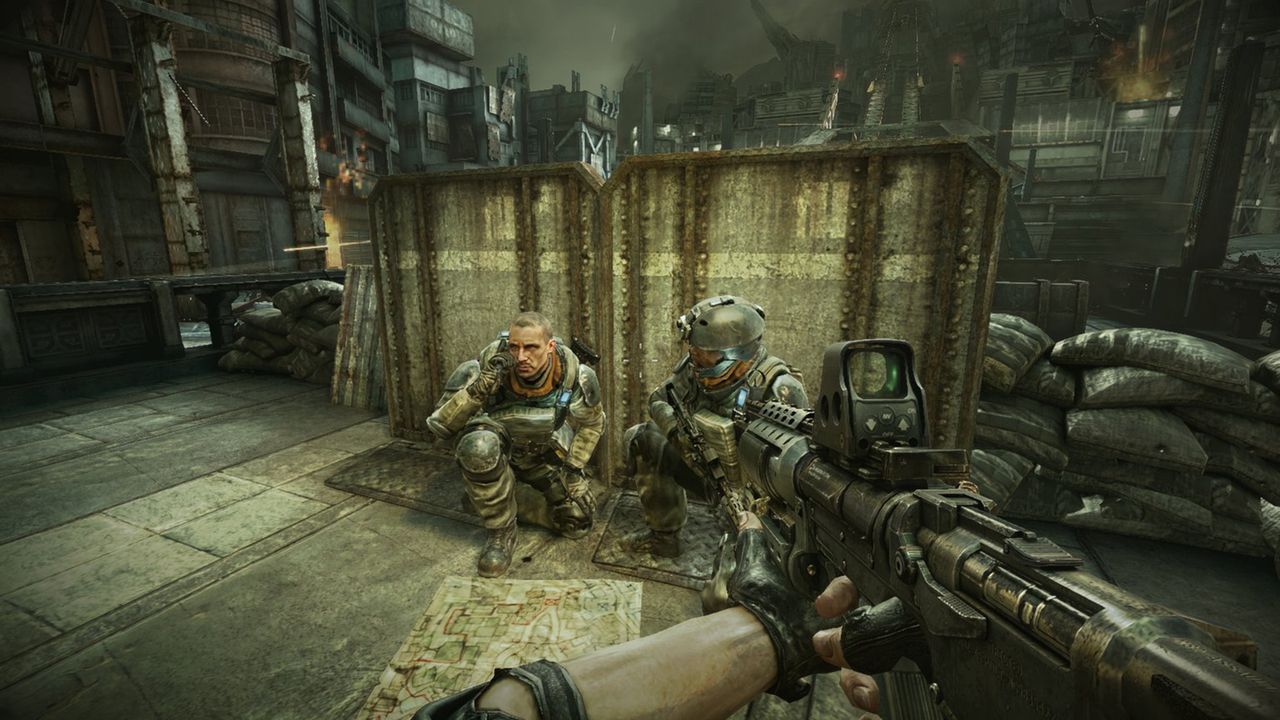
RPCS3 developers criticize DLSS 5 for relying on motion-vector data unavailable in PS3-era games, complicating emulator integration.
Temporal upscalers like DLSS 5 assume modern game-engine data structures that legacy or emulated titles lack. For engineers working on emulation or retro-compatibility, this highlights a growing divide between cutting-edge rendering techniques and the constraints of older hardware or low-level emulation. The conflict underscores the trade-off between visual fidelity and architectural compatibility in performance-sensitive environments.
Written by elseif from the cluster below · every claim links back to a sourceThe three things worth knowing
RPCS3 developers reject DLSS 5 due to missing motion-vector data in PS3-era games, making temporal upscaling impractical.
Leaked DLSS 5 DLL was tested on RPCS3 but produced poor results, reinforcing the emulator’s reliance on spatial upscalers like FSR 1.
Nvidia’s DLSS 5 targets RTX 50-series GPUs and requires game-engine inputs unavailable in emulated or older titles.
THE READ
What the cluster adds up to.
The RPCS3 team’s criticism of DLSS 5 centers on a fundamental mismatch between modern upscaling techniques and the realities of emulation. Temporal upscalers like DLSS 5 depend on motion-vector data to reconstruct frames accurately, but PS3-era games were not designed to expose this information. RPCS3’s low-level RSX emulation further complicates the problem, as reconstructing motion vectors from scratch is computationally impractical. This leaves the emulator with spatial upscalers like FSR 1, which trade temporal stability for compatibility but lack the visual fidelity of newer methods.
The leaked DLSS 5 DLL tests on RPCS3 underscore the limitations of applying cutting-edge rendering techniques to emulated environments. While modders successfully ported DLSS 5 to older RTX 40-series GPUs, the emulator’s architecture cannot leverage the technology effectively. The result, dubbed 'AI-slop' by RPCS3, reflects the broader challenge of retrofitting modern AI-driven tools into systems not designed for them. For engineers, this serves as a cautionary example of how hardware and software assumptions can break down when crossing generational boundaries.
Nvidia’s DLSS 5 is positioned as a tool for photorealistic lighting and visual enhancement, but its reliance on specific game-engine inputs creates a hard dependency on modern development practices. The technology’s exclusion of older GPUs and its focus on RTX 50-series hardware further narrows its applicability. For projects like RPCS3, which prioritize broad compatibility over high-end performance, this makes DLSS 5 a non-starter. The conflict highlights a growing tension in the industry: as rendering techniques advance, they risk leaving behind legacy systems and emulation efforts that cannot adapt to their requirements.
The RPCS3 developers’ stance also reflects a philosophical divide in how performance optimizations are approached. While the gaming industry increasingly turns to upscalers and frame generation to mask hardware limitations, RPCS3’s team rejects these solutions as a workaround for poor optimization. Their argument suggests that emulation should focus on accurate, low-level reproduction of hardware behavior rather than visual enhancements that obscure architectural constraints. This perspective may resonate with engineers working on retro-compatibility or systems where fidelity to the original hardware is a priority.
Written by elseif from the cluster below · checked for specifics the sources never containedTHE CLUSTER