TECH Signal 497
Sailors on USS Lincoln outside Iran are exhausted and suffering from poor morale
 ↗
↗
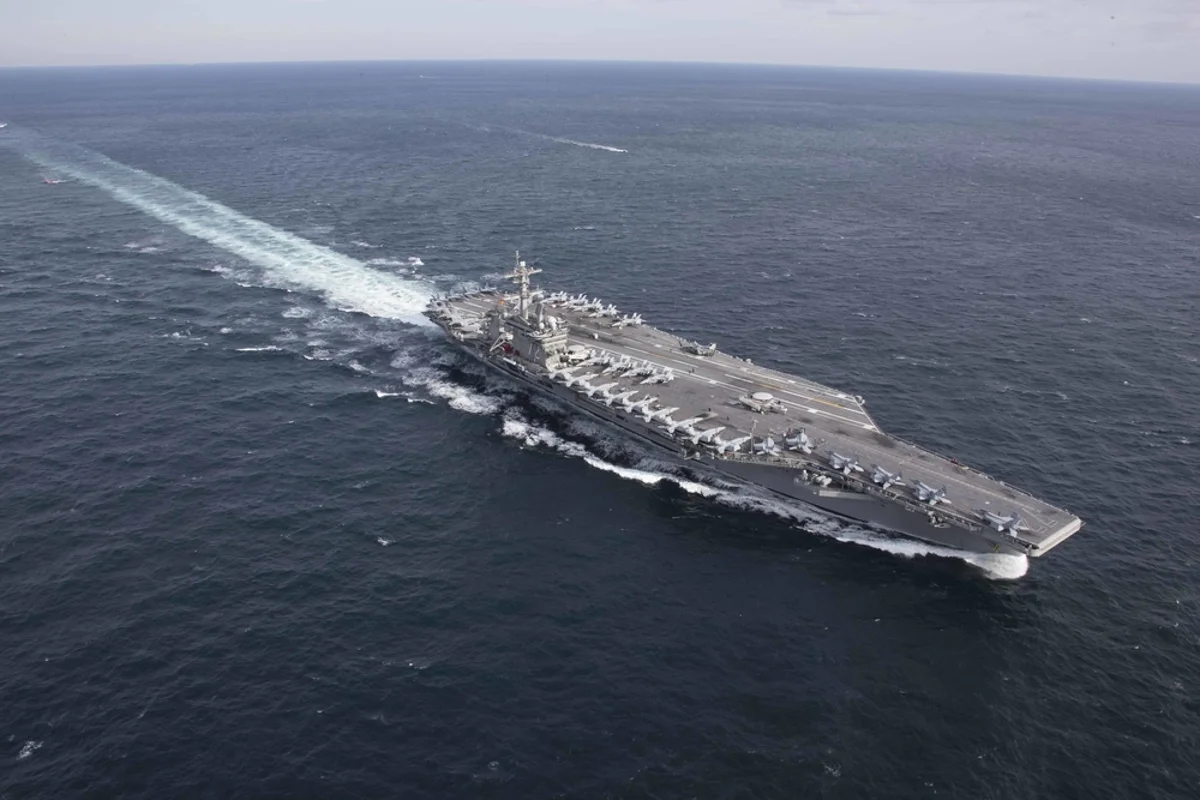
Crew members on the USS Abraham Lincoln are experiencing severe exhaustion, supply shortages, and degraded living conditions during an extended deployment outside Iran.
For engineers managing complex, high-stakes systems, this illustrates the compounding risk of human fatigue and deferred maintenance on operational safety. Sustained operational tempo without adequate rest or basic supplies creates an environment highly susceptible to catastrophic accidents.
Written by elseif from the cluster below · every claim links back to a sourceThe three things worth knowing
The USS Abraham Lincoln's crew of over 5,000 is facing severe food and basic supply shortages alongside broken living facilities.
Extended deployment exceeding 250 days with grueling shifts has pushed crew exhaustion to levels where mental health professionals warn of psychological breakdowns.
Navy leadership acknowledges the strain but maintains the ship remains fully capable of meeting all mission tasking, despite warnings from veterans about increased accident risks.
THE READ
What the cluster adds up to.
The operational conditions aboard the USS Abraham Lincoln have degraded significantly during its extended deployment outside Iran. The crew of over 5,000 is enduring grueling shifts with few days off, while critical living infrastructure like laundry, hot water, and toilets are failing. This represents a severe breakdown in the human factors engineering required to safely operate a complex, hazardous platform.
The cost of sustaining this operational tempo is being paid in basic physiological and psychological deficits. Sailors are facing drastic food rationing, including meals of a half-cup of rice and two tortillas, alongside a lack of basic hygiene supplies like soap and deodorant. Medical staff aboard the ship have warned that without hitting port soon, the crew's mental health will deteriorate to the point of breakdown.
The system stops working safely when operator fatigue overtakes the capacity to manage an inherently dangerous environment. Navy veterans warn that an aircraft carrier is already an extremely hazardous workplace, and grinding out day after day without breaks creates an environment ripe for accidents. The accumulation of deferred maintenance, such as reported holes in the deck, further increases the risk of catastrophic failure.
Official responses indicate a disconnect between ground-level reality and reported operational readiness. A Navy spokesperson acknowledged the strain of the deployment but maintained the ship remains fully capable of meeting all mission tasking. This framing downplays the systemic risk, ignoring warnings from medical professionals and representatives about increased suicide risks and accident potential.
Written by elseif from the cluster below · checked for specifics the sources never containedTHE CLUSTER