TECH Signal 365
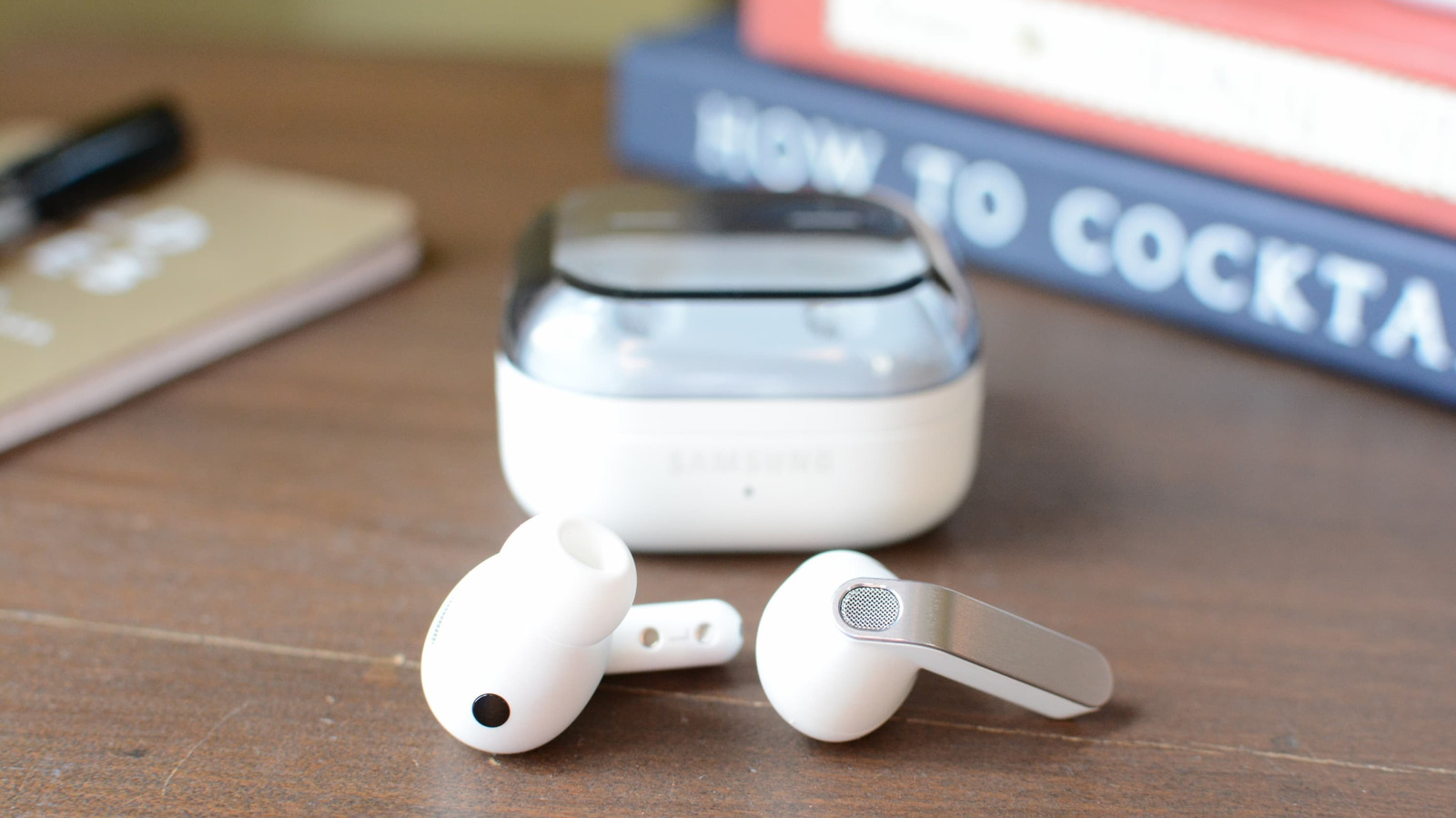
Samsung says a hearing aid feature is coming to Galaxy Buds later this year
 ↗
↗
Samsung’s Galaxy Buds will add an FDA-cleared hearing-aid mode later this year.
Engineers who build or maintain audio-processing pipelines now have a second consumer-grade reference design for over-the-counter hearing assistance. The feature also creates a new integration point with Samsung Health, so teams working on health-data platforms will need to account for hearing-test results and amplification presets.
Written by elseif from the cluster below · every claim links back to a sourceThe three things worth knowing
The feature is FDA-cleared for mild-to-moderate hearing loss in users 18 and older.
A five-minute, medical-grade hearing test runs on a paired Galaxy phone and exports results to Samsung Health.
Amplification presets are generated per ear and can be combined with existing noise elimination and beamforming.
THE READ
What the cluster adds up to.
Samsung is shipping a regulated medical device inside a consumer earbud. The FDA clearance means the audio-processing stack must meet specific performance and safety criteria. Engineers who work on the Galaxy Buds firmware or companion app will now have to maintain two distinct code paths: one for entertainment audio and one for hearing assistance. The latter path will require periodic re-validation to retain FDA status, adding compliance overhead to every firmware update.
The hearing test is a new dependency for the Galaxy Buds ecosystem. It runs on a paired Galaxy phone and pushes results into Samsung Health. Teams that build or integrate with Samsung Health will need to handle a new data type, hearing-loss profiles, and ensure that amplification presets are synchronized across devices. The test itself is designed to complete in five minutes, so the underlying signal-processing algorithms must be optimized for speed without sacrificing accuracy.
Amplification presets are generated per ear and can be layered with existing features like noise elimination and beamforming. This creates a combinatorial configuration space that engineers must test. For example, enabling beamforming to focus on frontal audio while also amplifying high frequencies may introduce feedback or distortion. The firmware must dynamically adjust gain and filter parameters to prevent these artifacts, which adds complexity to the real-time audio pipeline.
Written by elseif from the cluster below · checked for specifics the sources never containedTHE CLUSTER