TECH Signal 252
Scientists discover bacteria that lock toxic uranium into a stable form
 ↗
↗
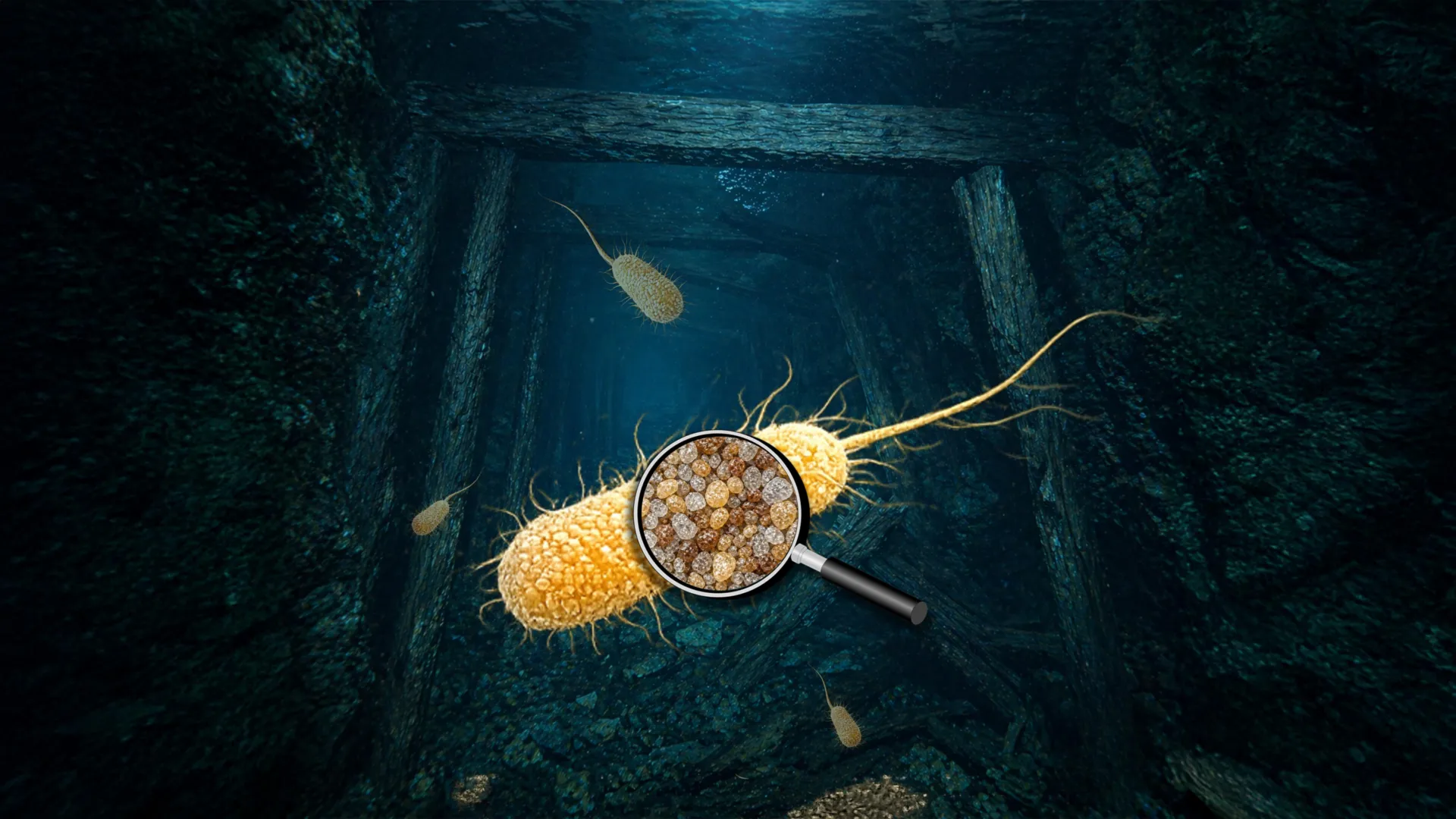
Bacteria in uranium-contaminated mine water can convert dissolved toxic uranium into a stable, immobile form when fed glycerol.
This discovery could enable passive, low-energy remediation of uranium-polluted groundwater or mine drainage. Engineers designing containment or cleanup systems now have a potential biological tool that works without continuous chemical dosing. The process may fail if glycerol is unavailable or if oxygen disrupts the anaerobic conditions the bacteria require.
Written by elseif from the cluster below · every claim links back to a sourceThe three things worth knowing
Bacteria reduced dissolved uranium by 95% in 130 days under anaerobic conditions with glycerol as a food source.
The uranium was converted into a rare, stable pentavalent form previously considered transient.
Uranium accumulated in bacterial cell walls, suggesting a mechanism for long-term immobilization rather than temporary binding.
THE READ
What the cluster adds up to.
The event shifts the cleanup toolkit for uranium-contaminated water. Instead of relying on chemical precipitation or membrane filtration, engineers can now consider a microbial process that runs on glycerol, a low-cost byproduct of biodiesel production. The 95% removal rate observed in the lab is competitive with conventional methods, but the real advantage is the stability of the end product. Unlike adsorbed or precipitated uranium, the pentavalent form created by the bacteria appears resistant to re-dissolution, reducing the risk of future leaching.
Adopting this method requires infrastructure to deliver glycerol and maintain anaerobic conditions. The bacteria are native to the mine water, so no exotic species need to be introduced, but the system must exclude oxygen to prevent re-oxidation of the uranium. The 130-day timescale means the process is not suitable for rapid response; it is better suited for long-term containment in abandoned mines or tailings ponds. Costs are front-loaded in monitoring and glycerol supply, but operational expenses are likely lower than continuous chemical treatment.
The process stops working if the bacteria are starved of glycerol or exposed to oxygen. Glycerol availability may become a supply-chain constraint if the method scales, and its cost could fluctuate with biodiesel markets. The anaerobic requirement limits deployment to sealed or naturally oxygen-poor environments, ruling out open-air applications. The rare pentavalent uranium form has not been tested for long-term stability under varying pH or in the presence of competing ions, so field trials are needed before regulatory approval.
The single-feed coverage leaves key questions unanswered. No other source corroborates the stability claims or the scalability of the process. The lack of data on bacterial population dynamics means engineers cannot yet model system resilience or predict failure modes. The study’s focus on a single mine site also raises questions about generalizability; bacteria from other uranium-contaminated sites may not perform the same conversion. Until these gaps are addressed, the discovery remains a promising lab result rather than a deployable solution.
Written by elseif from the cluster below · checked for specifics the sources never containedTHE CLUSTER