TECH Signal 335
Scientists discover cells that survive death and enhance tissue regeneration
 ↗
↗
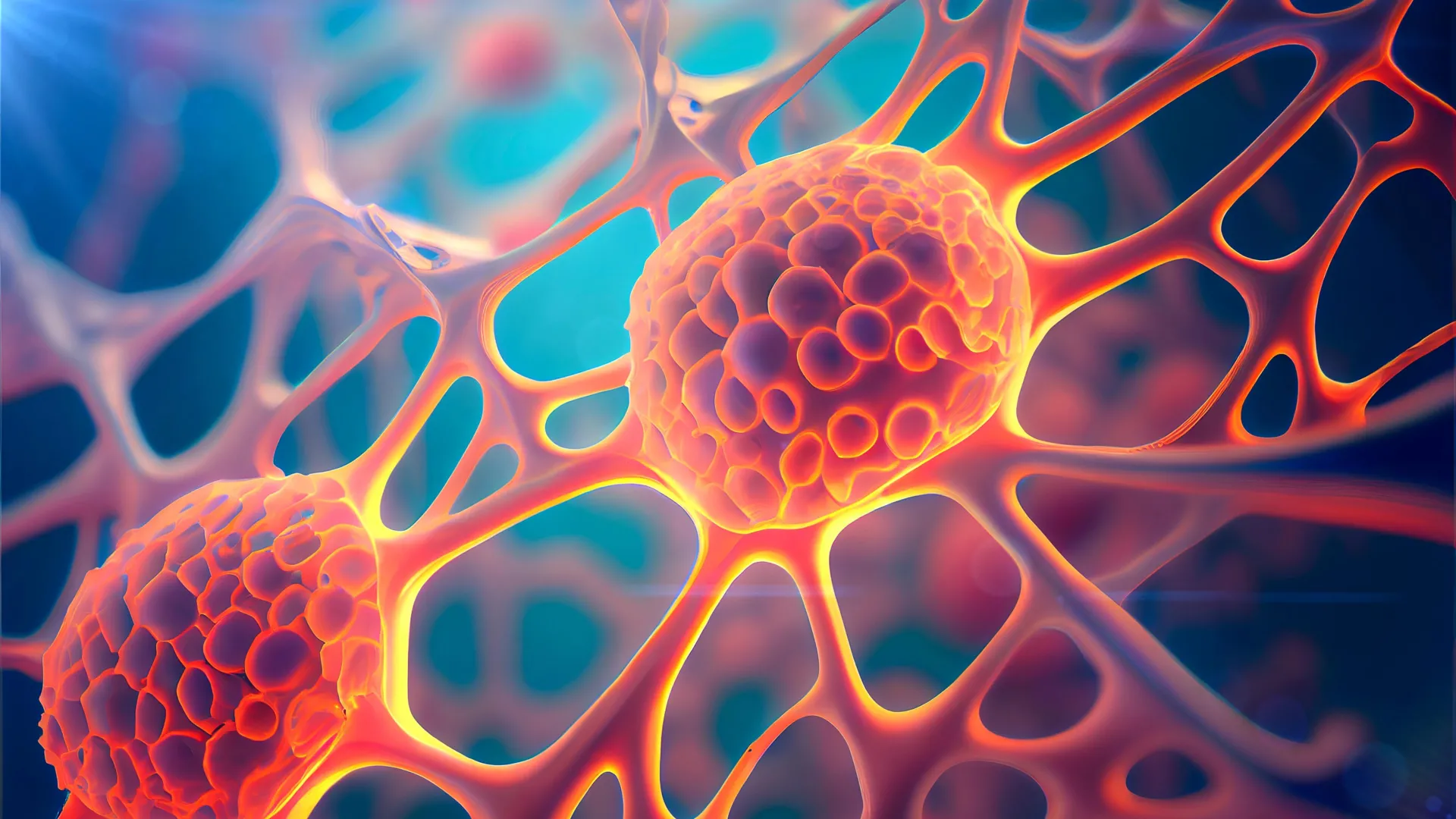
Scientists discovered a population of cells that can start the process of programmed cell death, survive it, and then help rapidly rebuild damaged tissue. Their descendants become far more resistant to future damage, revealing a mechanism that could improve healing but may also help cancers return.
This discovery sheds light on a cellular mechanism that could significantly enhance tissue repair, which is critical for various medical applications. However, the same mechanism may also provide insights into cancer recurrence, posing challenges for treatment. Understanding these cells could lead to better strategies for promoting healing while mitigating cancer risks.
Written by elseif from the cluster below · every claim links back to a sourceThe three things worth knowing
Researchers identified DARE cells that survive initial death signals and contribute to tissue regeneration.
Caspases, typically associated with cell death, may also play a role in enhancing cell survival and proliferation.
The discovery raises concerns that cancer cells could exploit this survival mechanism, complicating treatment efforts.
THE READ
What the cluster adds up to.
The discovery of DARE cells highlights a significant advancement in understanding tissue regeneration mechanisms. These cells can initiate programmed cell death but survive, allowing them to contribute to repairing damaged tissue effectively. This dual function presents a new perspective on the role of apoptosis in cellular dynamics.
Adopting this knowledge into practical applications could improve therapies for tissue damage, such as wounds or injuries. However, the complexity of manipulating these cells needs careful consideration, as enhancing their survival may inadvertently increase the risk of cancer cells exploiting the same mechanism.
The research indicates a potential cost in treatment options, as targeting these survival pathways might be necessary to prevent cancer recurrence. It suggests a need for a balanced approach in regenerative medicine, where promoting healing does not compromise cancer treatment outcomes.
This discovery stops short of providing a comprehensive solution for all types of tissue damage or cancer. The effectiveness of therapies may vary based on the specific tissue type and the cancer's characteristics, necessitating further research to tailor interventions appropriately.
Overall, the mechanism involving DARE and NARE cells opens up new avenues for research but also presents ethical dilemmas in balancing regeneration and cancer treatment. The implications of this work will require interdisciplinary collaboration to navigate the complexities of cellular behavior in health and disease.
Written by elseif from the cluster below · checked for specifics the sources never containedTHE CLUSTER