TECH Signal 329
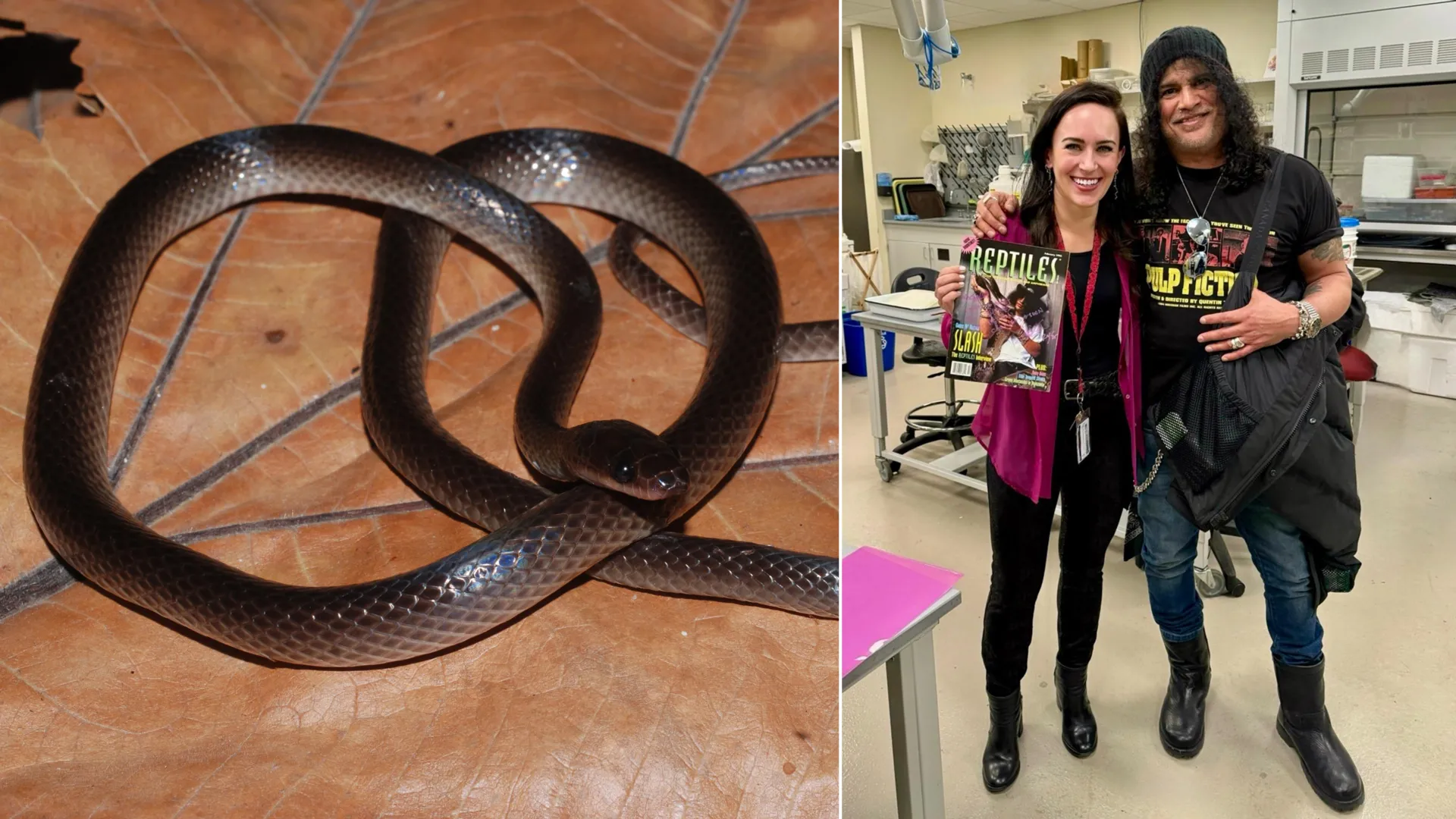
Scientists name new snake species Lielaphis slashi after guitarist Slash
 ↗
↗
A newly discovered snake from New Guinea has been named after Guns N’ Roses guitarist Slash, who has loved reptiles since childhood. Genetic testing and physical differences confirmed that the reddish-brown groundsnake, Lielaphis slashi, is a species scientists had never formally recognized before.
This naming honors a well-known figure in popular culture who is also an advocate for reptiles. It highlights the intersection of science and personal passion, potentially inspiring more public interest in herpetology. Additionally, the discovery of a new species underscores the rich biodiversity of New Guinea, which remains largely unexplored.
Written by elseif from the cluster below · every claim links back to a sourceThe three things worth knowing
The snake, named Lielaphis slashi, is a newly identified species from New Guinea.
Genetic testing confirmed that it is distinct from other known species.
The naming of the species after Slash connects popular culture with scientific discovery.
THE READ
What the cluster adds up to.
The identification of Lielaphis slashi adds to the biodiversity knowledge of New Guinea, a region noted for its rich yet underexplored wildlife. The species was confirmed through genetic analysis, which revealed that it is distinct from other snakes in the same genus. This emphasizes the importance of genetic testing in taxonomy.
The name choice reflects both a personal connection and a broader appeal to the public's interest in reptiles and herpetology. Slash's reputation as a musician and reptile enthusiast may help raise awareness and appreciation for snake conservation and research. Such connections can also bridge the gap between science and popular culture.
This discovery underscores the ongoing need for fieldwork in biodiverse regions like New Guinea. The fact that scientists continue to find previously unrecognized species highlights the importance of continued exploration and conservation efforts in these areas. Understanding species diversity is crucial for ecological research and conservation strategies.
Written by elseif from the cluster below · checked for specifics the sources never containedTHE CLUSTER