TECH Signal 316
Triple-negative breast cancer reportedly hijacks immune cells to grow nerve networks aiding tumor growth
 ↗
↗
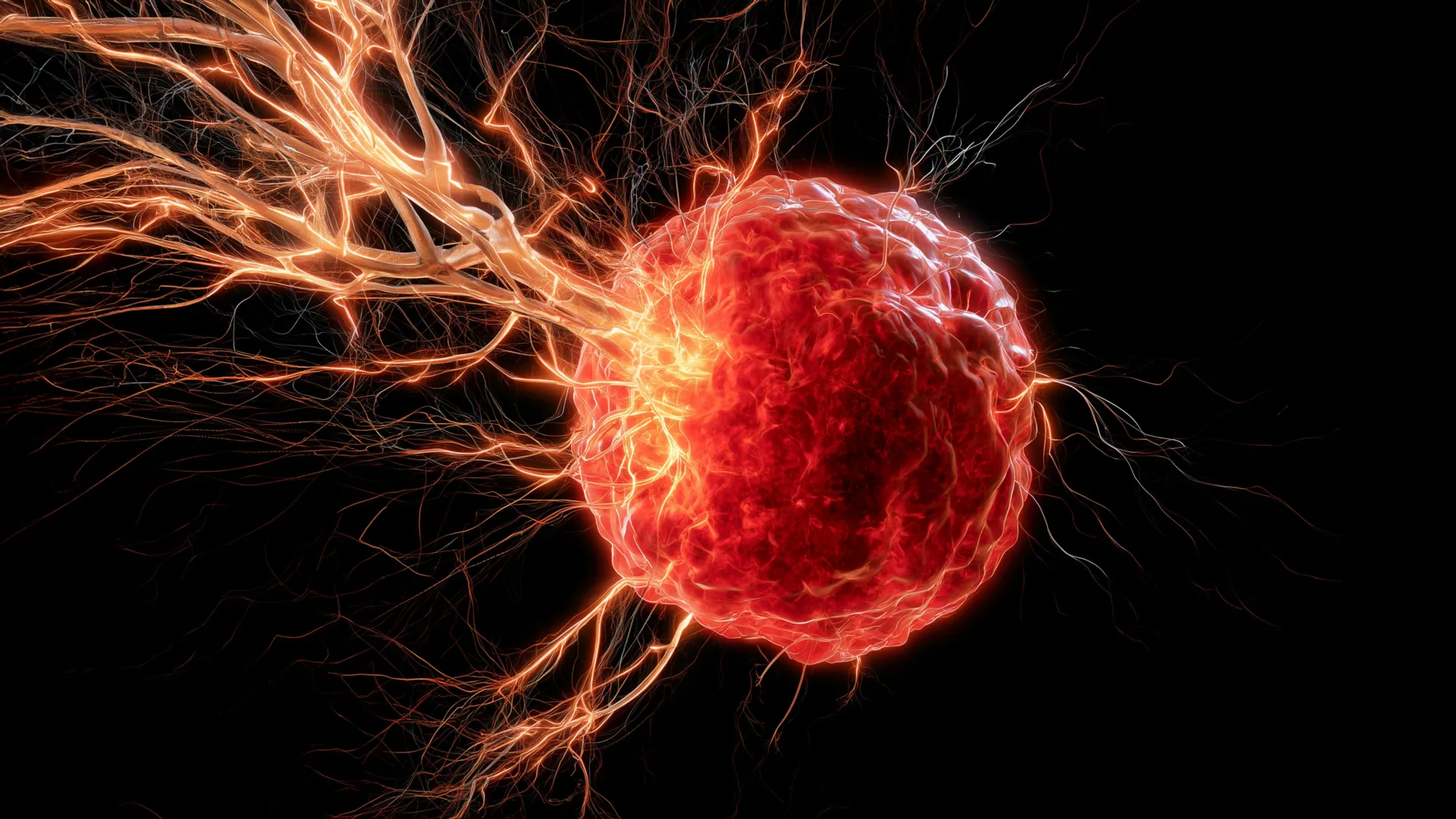
Researchers identified a mechanism where triple-negative breast cancer tumors recruit macrophages to release BDNF, attracting nerves that may support tumor progression and treatment resistance.
This discovery shifts focus from solely targeting cancer cells to disrupting the tumor microenvironment. For engineers in biotech or medical device fields, it highlights a potential new therapeutic pathway, blocking nerve-tumor interactions, to improve cancer treatment efficacy. The findings could inform future drug development or diagnostic tools.
Written by elseif from the cluster below · every claim links back to a sourceThe three things worth knowing
Triple-negative breast cancer tumors attract macrophages, which release BDNF to draw nerves into the tumor.
Blocking BDNF signaling in mice reduced nerve growth and slowed tumor progression.
Higher macrophage and BDNF levels in human tumors correlated with poorer survival outcomes.
THE READ
What the cluster adds up to.
The study reveals a previously unknown interaction between immune cells and nerves in triple-negative breast cancer. Tumors appear to exploit macrophages, typically involved in healing, to release BDNF, a protein that encourages nerve growth into the tumor. This process may create a supportive environment for cancer progression, suggesting that the tumor microenvironment plays a critical role beyond the cancer cells themselves.
For engineers and researchers, this mechanism presents a new target for therapeutic intervention. The use of a drug to block BDNF signaling in mice demonstrated that preventing nerve infiltration could slow tumor growth. This approach shifts the focus from directly attacking cancer cells to disrupting the biological signals that sustain them, potentially offering a complementary strategy to existing treatments.
The findings also raise questions about the broader implications of nerve-tumor interactions. While the study focused on triple-negative breast cancer, similar mechanisms may exist in other aggressive cancers, such as ovarian cancer. This could expand the scope of research and development efforts, particularly in designing drugs or devices that target nerve-related pathways in oncology.
However, the study’s reliance on mouse models and retrospective human data means further validation is needed. The exact role of nerves in tumor growth, whether they stimulate blood vessel formation, aid metastasis, or suppress immune responses, remains unclear. Engineers working on translational research will need to consider these gaps when developing applications based on these findings.
The potential to repurpose existing drugs that target BDNF signaling is a practical takeaway. If validated in clinical trials, this could accelerate the development of new treatment protocols. For the broader engineering community, this study underscores the importance of interdisciplinary collaboration, combining insights from immunology, neuroscience, and oncology to tackle complex diseases.
Written by elseif from the cluster below · checked for specifics the sources never containedTHE CLUSTER