TECH Signal 477 2 feeds carried it
Self-hosting becomes feasible behind CGNAT using a VPS bridge and WireGuard
 ↗
↗
Comments
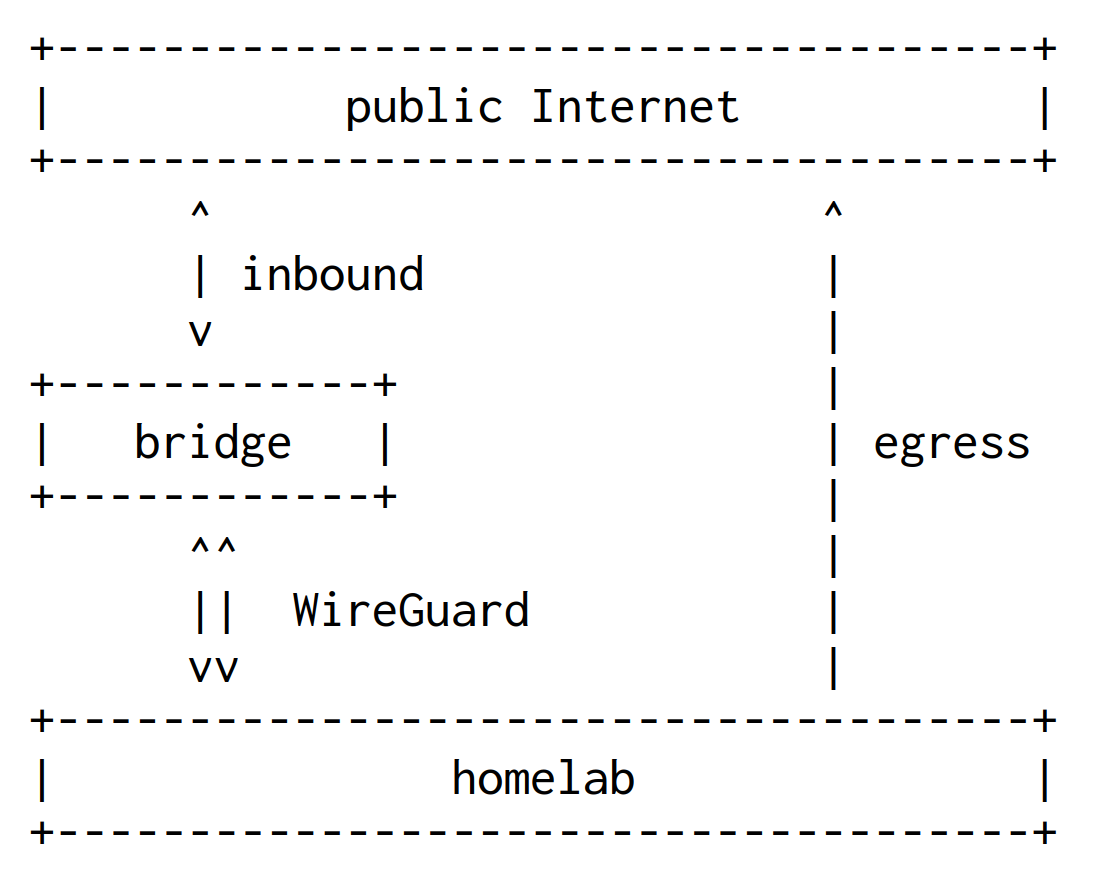
Self-hosting has become more challenging due to the prevalence of CGNAT, which complicates direct access to home servers. Utilizing a VPS bridge with a WireGuard tunnel provides a workaround, allowing users to maintain control over their services without relying on cloud providers. This approach offers a balance between accessibility and privacy in a network environment that limits traditional hosting methods.
Written by elseif from the cluster below · every claim links back to a sourceThe three things worth knowing
Carrier-grade NAT (CGNAT) complicates traditional self-hosting methods by masking users' IP addresses.
A VPS bridge combined with WireGuard enables secure remote access to home servers without needing a static IP.
This setup introduces a slight increase in latency but allows users to maintain control over their data and services.
THE READ
What the cluster adds up to.
The shift to CGNAT has made self-hosting less straightforward, as it prevents direct port forwarding typically used for accessing home servers. By implementing a VPS bridge, users can create a secure connection to their home network, effectively bypassing CGNAT limitations.
This method requires a small investment in a VPS service, which can vary in cost, alongside the potential expense of obtaining a static IP from an ISP, making it a more accessible alternative for users seeking privacy and control.
However, this approach has its limitations; reliance on a third-party VPS introduces a point of failure, and users must ensure proper configuration to maintain service availability. Any downtime in the VPS or the tunnel could disrupt access to the homelab.
Written by elseif from the cluster below · checked for specifics the sources never containedTHE CLUSTER