TECH Signal 363
Senate advances the latest Kids Online Safety Act out of committee
 ↗
↗
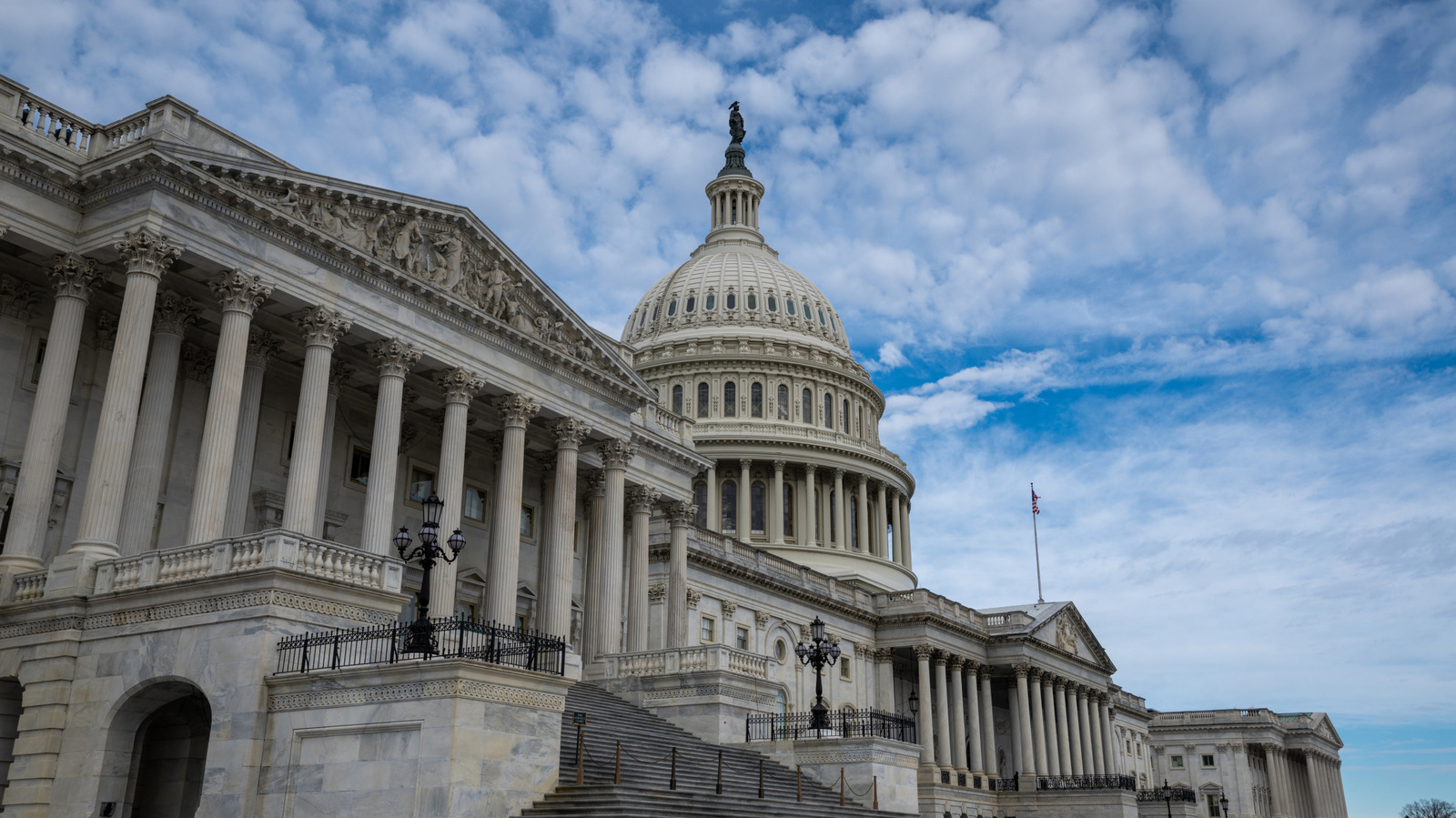
The Senate Commerce Committee advanced the Kids Online Safety Act toward a floor vote after the House already passed its own version bundled with a children-focused privacy law.
Engineers at online platforms may need to redesign recommendation systems and add opt-out controls to satisfy the Senate’s requirements. The differing House and Senate texts could trigger further negotiation, affecting timelines and compliance costs for services that host user-generated content.
Written by elseif from the cluster below · every claim links back to a sourceThe three things worth knowing
The Senate version requires platforms to let children and teens turn off addictive recommendation features.
It also introduces a duty-of-care obligation to limit harms from content that promotes sexual exploitation or eating disorders.
The House version lacks the duty-of-care clause and is packaged with COPPA-style privacy provisions in the broader KIDS Act.
THE READ
What elseif makes of it.
The Senate Commerce Committee voted to move the Kids Online Safety Act forward, clearing the way for a potential floor vote. This follows the House’s earlier passage of its own version of the bill, which was combined with a children-and-teens-focused privacy law as part of the KIDS Act. The committee action indicates that legislative momentum is building after previous attempts stalled in earlier years.
Adopting the Senate’s provisions would likely require engineering teams to implement mechanisms that let minor users disable recommendation algorithms they deem addictive. Teams may also need to build processes for assessing and mitigating harmful content under a duty-of-care standard, which could involve additional moderation tooling and policy work. These changes could increase development costs and might affect user engagement metrics if opt-out features reduce algorithmic personalization.
The legislation’s future remains uncertain because the House and Senate versions differ notably; the House bill does not include the duty-of-care language and ties KOSA to broader privacy reforms. Such discrepancies have previously led to the bill being abandoned when chambers could not reconcile their texts. If the differences persist, the bill could stall again, leaving platforms without a clear federal mandate.
Support for the bill comes from several major technology companies, while digital rights groups and industry coalitions warn of risks to free speech and privacy, especially regarding age-verification requirements that could compel invasive identity checks. Engineers should monitor these debates, as legal challenges or amendments could reshape compliance obligations and influence the design of safety features across platforms.
Written by elseif from the cluster below · checked for specifics the sources never containedTHE CLUSTER