OBSERVABILITY Signal 15
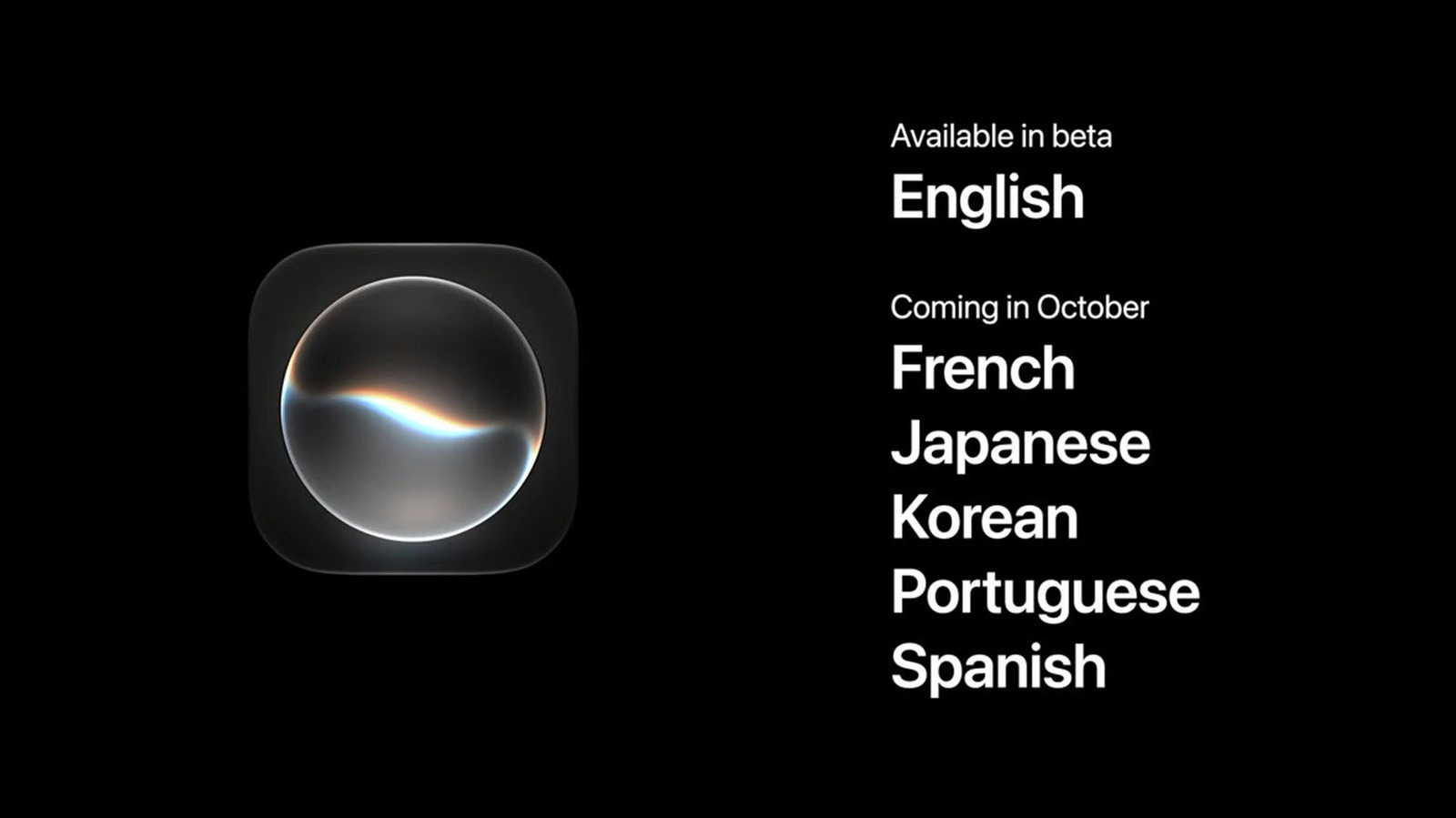
Apple expands Siri AI to French, Japanese, Korean, Portuguese and Spanish in October
 ↗
↗
Siri AI, Apple’s redesigned digital assistant, will support five new languages starting next month alongside its English release.
This expansion increases Siri AI’s accessibility for non-English speakers, but adoption requires recent hardware and iCloud+ for full functionality. Engineers building voice-driven applications may need to account for language-specific performance variations.
Written by elseif from the cluster below · every claim links back to a sourceThe three things worth knowing
Siri AI will add support for French, Japanese, Korean, Portuguese, and Spanish in October.
Full functionality, including cloud-based AI models, requires an iCloud+ subscription.
Hardware support is limited to iPhone 15 Pro/Max and newer devices for optimal performance.
THE READ
What the cluster adds up to.
Apple’s rollout of Siri AI in five additional languages marks a significant step in broadening its digital assistant’s reach. The expansion targets major non-English markets, which could drive adoption among users who previously relied on third-party alternatives or limited Siri functionality. However, the requirement for recent hardware, specifically iPhone 15 Pro/Max or newer, creates a barrier for users with older devices, potentially fragmenting the user base. Engineers integrating Siri AI into applications will need to consider these hardware constraints when designing voice-driven features.
The language expansion also introduces variability in performance, as speech recognition and dictation accuracy may differ across languages. Apple has indicated that newer iPhones (iPhone 17 Pro/Max and iPhone Air) will leverage more powerful on-device models, suggesting that older supported devices might experience slower or less accurate responses. This discrepancy could impact user experience, particularly in applications where real-time interaction is critical. Developers may need to test language-specific behavior to ensure consistency.
Cloud-based AI models for Siri AI will require an iCloud+ subscription, adding a recurring cost for users who want full functionality. This aligns with Apple’s broader shift toward subscription-based services but may limit adoption among users unwilling to pay for premium features. The reliance on cloud compute also raises questions about latency and offline capabilities, which could be a concern in regions with unreliable connectivity. Engineers should evaluate whether their applications can tolerate these limitations or if fallback mechanisms are necessary.
The timing of the expansion, coinciding with the broader English release, suggests Apple is prioritizing a simultaneous rollout to maintain consistency across markets. However, the lack of details on usage limits for iCloud+ plans leaves open questions about how Apple will balance performance with cost. For engineers, this uncertainty complicates planning for applications that depend on Siri AI’s cloud capabilities. Testing under different usage scenarios will be essential to avoid unexpected disruptions.
Written by elseif from the cluster below · checked for specifics the sources never containedTHE CLUSTER