TECH Signal 438
Smart glasses are only smart if we train them to be good. Then they'll be fantastic
 ↗
↗
Smart glasses require deliberate human training and social protocols to become useful rather than invasive tools.
Engineers building or deploying augmented-reality wearables must now design for two distinct modes: overt, socially accepted use cases (e.g., accessibility) and covert, banned ones. The hardware itself is neutral; the difference is entirely in the software rules and visual signals that operators enforce. If those rules are unclear or unenforced, the technology will be rejected outright, regardless of its technical merit.
Written by elseif from the cluster below · every claim links back to a sourceThe three things worth knowing
Smart glasses succeed only when they adopt visible, standardized cues that signal acceptable behavior to bystanders.
Bans on covert recording are already widespread, but bans on the hardware itself risk blocking legitimate assistive applications.
The same device can be either a privacy threat or a life-changing aid, depending on the training data and social contracts it follows.
THE READ
What the cluster adds up to.
The event is not a product launch or a technical breakthrough. It is a call to reframe how engineers think about the social layer of wearable AR. The hardware is already shipping; what is missing are the software equivalents of a guide-dog harness, visible indicators that tell everyone nearby what mode the glasses are operating in. Without those indicators, the default assumption is malicious intent, and the technology is banned. Engineers must now build in explicit mode flags, audit trails, and real-time compliance checks that can be verified by both users and bystanders.
Adopting this approach costs more than adding a few LEDs. It requires a new class of runtime policies that can be updated without reflashing the device, and it demands coordination with venue operators who will set the local rules. The cost is not just engineering time; it is the overhead of maintaining a public registry of acceptable behaviors and the legal exposure of enforcing them. Where it stops working is in environments that refuse to define those rules or that treat all wearables as equally suspect. In those places, the glasses will remain banned, and the assistive use cases will be collateral damage.
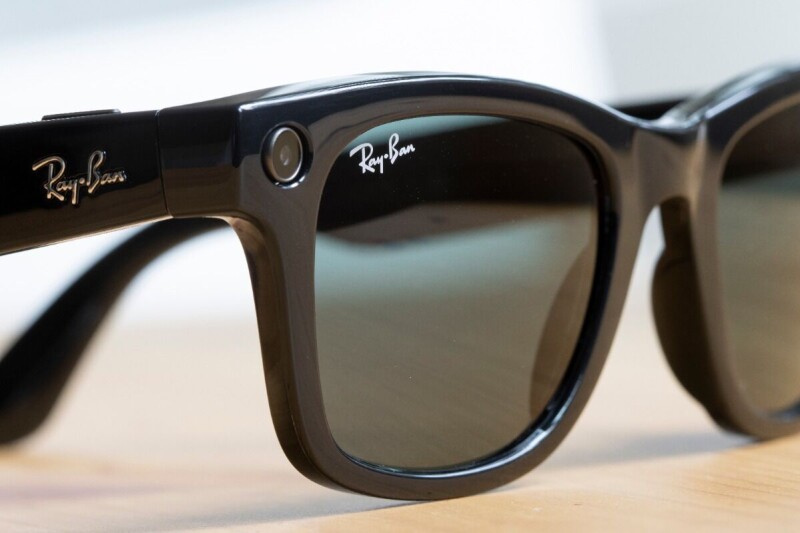
The single feed frames the problem as a tension between instinctive revulsion and rational counterargument. That framing reveals the real engineering constraint: the technology must be legible to non-technical bystanders in under a second. If the glasses look like ordinary eyewear, they will be treated as spycams. If they look like medical devices, they will be granted exceptions. The difference is not in the silicon but in the industrial design and the software-controlled visual cues that engineers choose to expose. Those cues are now as critical to the product as the camera itself.
Written by elseif from the cluster below · checked for specifics the sources never containedTHE CLUSTER