TECH Signal 375
Sony might be rebooting its 2020 flagship headphones
 ↗
↗
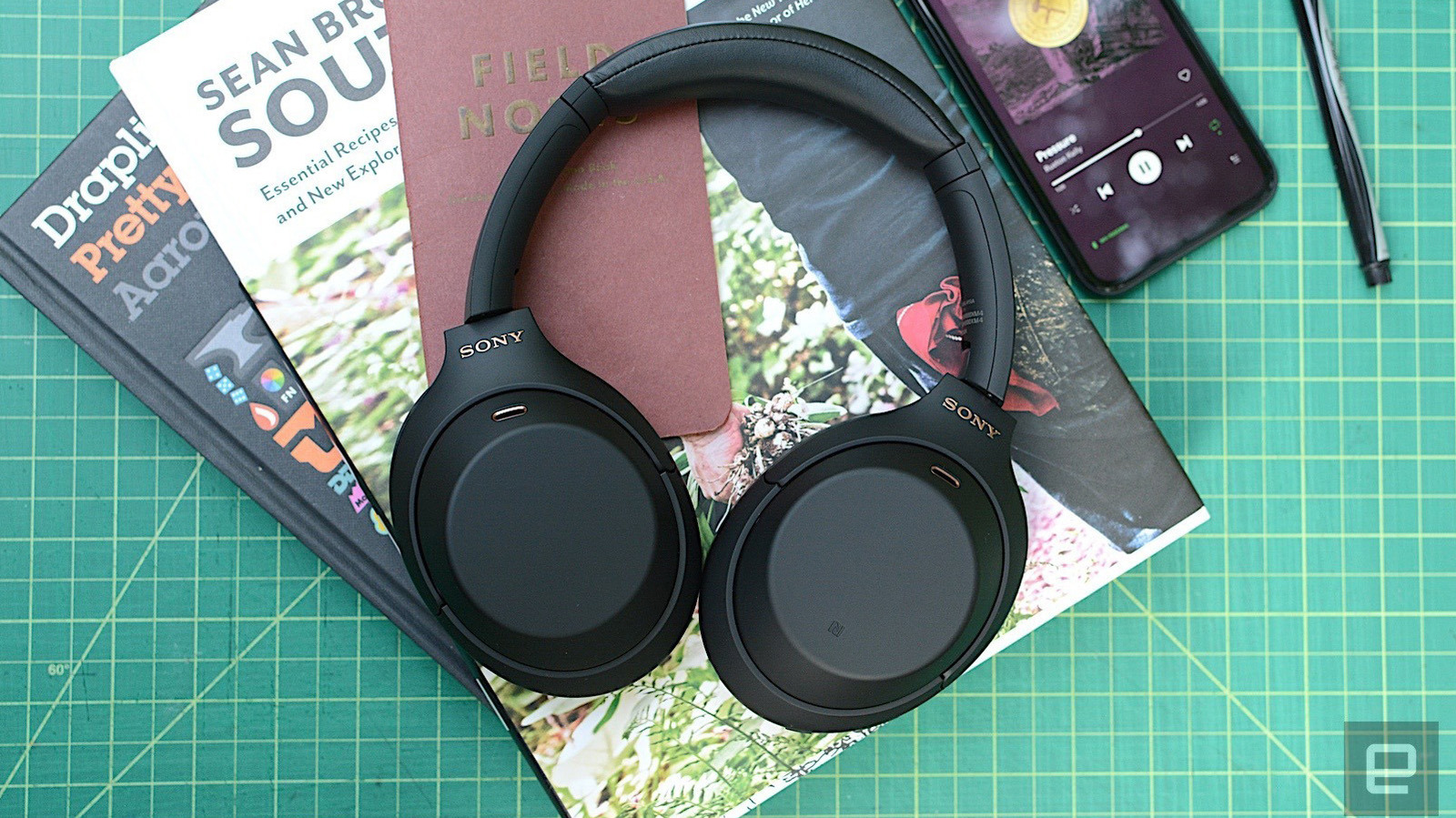
Sony is rumored to re-release a refreshed WH-1000XM4 as the WH-1000XM4C with a lower price tag.
The cheaper price could make the headset an attractive option for budget-conscious procurement or consumer upgrades. Engineers can likely reuse existing drivers, firmware, and test suites because the core hardware remains the same. The modest drop in battery life and limited new features mean the model may not suit long-duration or future-proof use cases.
Written by elseif from the cluster below · every claim links back to a sourceThe three things worth knowing
The WH-1000XM4C would keep the original 40 mm drivers, foldable design, and ANC processor while offering new color choices.
Battery capacity is expected to be slightly lower, with up to 34 hours without ANC and 27 hours with ANC versus the original’s 38/30 hours.
Pricing is projected around $250 (≈ €250/£220), positioning it between the current WH-1000XM6’s $460 and discounted WH-1000XM5 units.
THE READ
What the cluster adds up to.
A leaker identified as billbil-kun has suggested Sony will launch a WH-1000XM4C in early September, pricing it near $250. The announcement frames the move as a response to rising headphone prices by reviving a six-year-old model. The timing and pricing details come from a post on Dealabs that references the leak. This suggests Sony may be targeting cost-sensitive segments without developing a brand-new product.
According to the leak, the WH-1000XM4C will retain the original XM4’s 40 mm drivers, foldable chassis, and noise-cancelling processor. The only hardware changes appear to be a modest reduction in battery endurance and the addition of new colour options such as platinum silver and lavender. The core acoustic performance and ANC capabilities should therefore mirror the 2020 model, meaning existing software stacks can be reused with minimal modification.
Battery specifications for the rebooted model indicate up to 34 hours of playback without active noise cancellation and 27 hours with it, a slight dip from the original’s 38 and 30 hours respectively. This reduction may affect users who rely on extended sessions without charging. Engineers should verify real-world endurance under typical workloads to confirm the advertised figures hold up in practice.
The projected retail price of roughly $250 places the WH-1000XM4C well below the current WH-1000XM6’s $460 price point and close to the discounted price of the WH-1000XM5. For organizations buying in volume, the lower cost could free up budget for additional units or accessories. However, the overlap with the XM5 may create support and inventory challenges, as two models with similar capabilities will coexist in the market.
Adopting the WH-1000XM4C will likely involve little integration effort because the software ecosystem for the XM4 line is already mature. The primary cost is the purchase price, while the main limitation is the reduced battery life and lack of new features beyond colour. Teams should weigh the savings against the potential need for more frequent charging or the desire for future-proof hardware.
Written by elseif from the cluster below · checked for specifics the sources never containedTHE CLUSTER