TECH Signal 153
Sony Music and UMG allege Suno's v6 models infringe copyright despite licensing
 ↗
↗
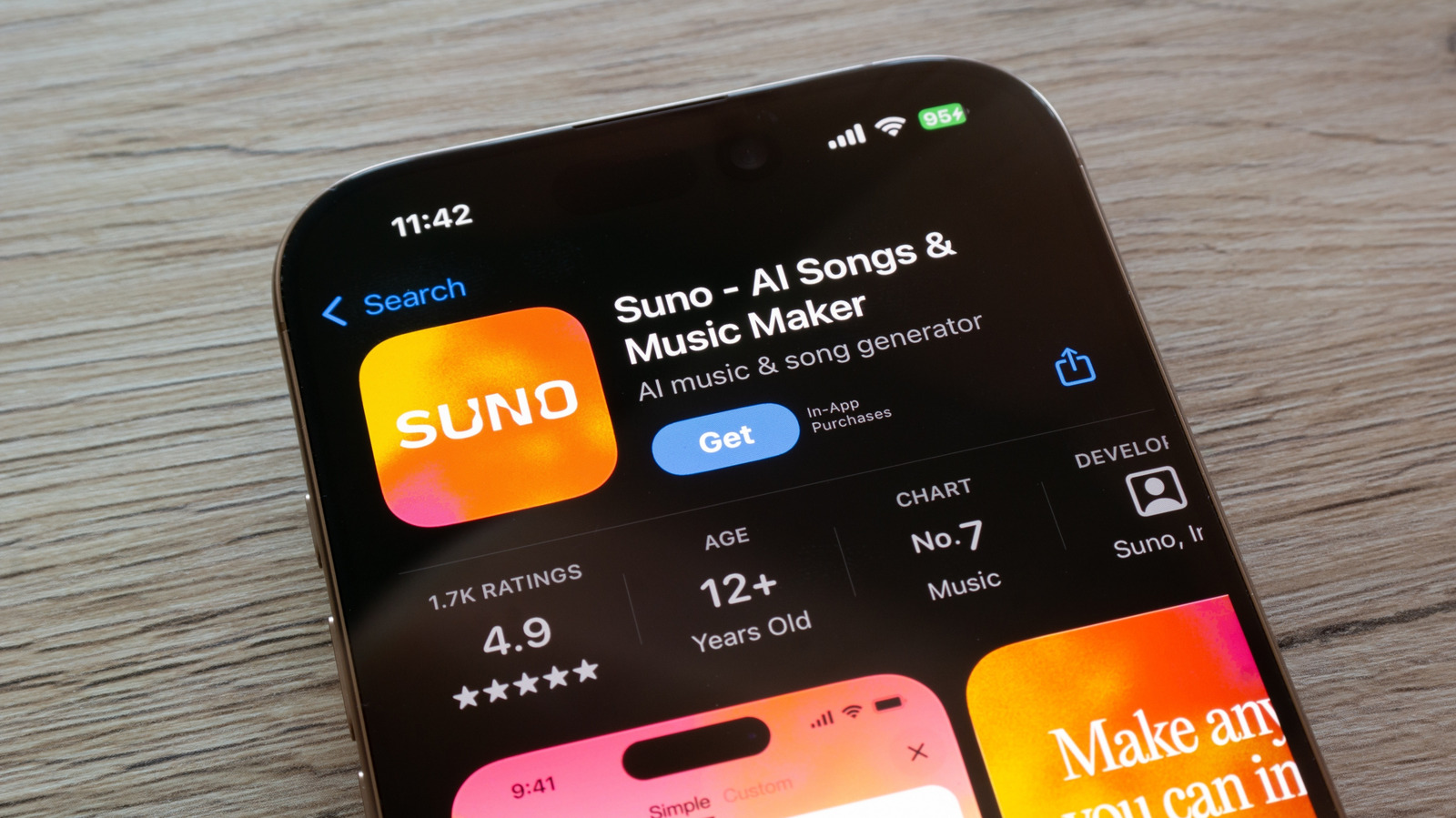
In a new lawsuit, the labels argue Suno found a roundabout way to train its v6 models on unlicensed music.
This legal challenge highlights ongoing tensions between AI music generation and copyright law. If the lawsuit is successful, it could significantly impact how AI models are trained, particularly in the music industry, affecting both developers and users.
Written by elseif from the cluster below · every claim links back to a sourceThe three things worth knowing
Suno's v6 models are claimed to infringe on the copyrights of over 60,202 sound recordings.
The lawsuit seeks up to $9 billion in damages under US copyright law.
Suno argues that its models were trained on licensed material and user interactions, disputing the allegations.
THE READ
What the cluster adds up to.
The lawsuit from Sony Music and UMG challenges Suno's claims regarding the training of its v6 models, asserting that the company used unlicensed music. Specifically, the labels contend that Suno's acknowledgment of using user interactions implies reliance on data from previously unauthorized models, which could expose Suno to significant legal and financial repercussions.
Suno's approach to AI music generation has been controversial, particularly regarding its historical use of scraped content from platforms like YouTube Music. The company had previously justified this practice under fair use, but the allegations from major record labels indicate a shift in legal scrutiny, particularly with the introduction of licensed models in the v6 lineup.
If the lawsuit leads to a ruling against Suno, it may set a precedent that complicates AI training practices across the industry. Developers could face stricter regulations regarding the use of copyrighted materials, which may hinder the development and deployment of AI-generated music technologies.
The potential $9 billion damages claim underscores the financial stakes involved in this dispute. For a company like Suno, this could mean a significant re-evaluation of its business model and how it interacts with both artists and record labels to navigate the complex landscape of copyright law.
As the case unfolds, it will likely prompt further discussions within the tech and music communities about the balance between innovation in AI and the rights of content creators. The outcome may influence future licensing agreements and the operational viability of AI music generators.
Written by elseif from the cluster below · checked for specifics the sources never containedTHE CLUSTER