TECH Signal 202
Stem cells reverse stroke damage and restore movement in mice
 ↗
↗
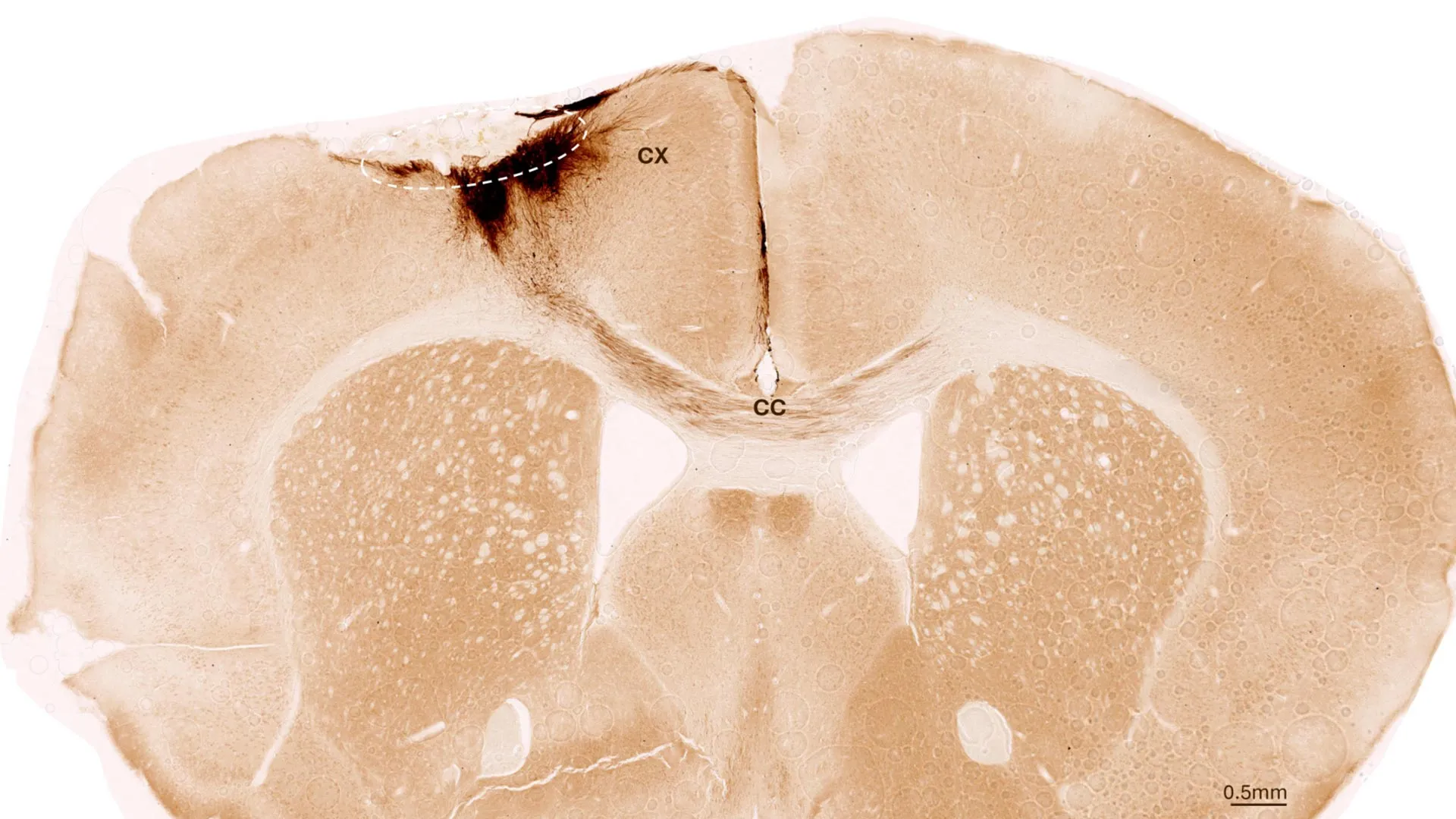
Stem cell transplants helped regenerate stroke-damaged brain tissue in mice, producing new neurons and restoring lost motor function.
This research indicates that stem cell therapy may offer a novel approach to treating stroke damage. If successful in humans, it could lead to significant advancements in regenerative medicine and improved quality of life for stroke survivors.
Written by elseif from the cluster below · every claim links back to a sourceThe three things worth knowing
The study demonstrated that neural stem cells can regenerate neurons and promote recovery from stroke-induced brain damage.
Improvements were noted not only in motor function but also in blood vessel formation and reduction of inflammation.
The findings suggest potential for broader therapeutic applications in neurodegenerative diseases beyond stroke.
THE READ
What the cluster adds up to.
The research shows that neural stem cells can effectively regenerate brain tissue damaged by stroke in mice, leading to restored motor functions. This represents a significant advancement in understanding how to repair neurological damage, which has traditionally been considered irreversible.
The success of the stem cell transplants in regenerating neurons and improving other brain repair processes indicates that this approach could lead to new therapies for stroke patients. However, translating these findings to human patients poses challenges, including ensuring the safety and efficacy of such treatments.
One critical aspect of the study is the indication that new neurons formed from the transplanted cells were able to integrate into existing neural networks, which is vital for restoring proper brain function. This finding underscores the complexity of brain repair and the need for therapies that not only replace lost cells but also support overall brain health.
While the results are promising, the research is in the early stages, and further studies will be needed to explore the long-term effects and practical applications of this therapy in humans. There are also challenges related to the availability of human stem cells and ethical considerations surrounding their use.
The study opens avenues for future research into regenerative treatments for other neurological conditions, potentially expanding the scope of stem cell applications in medicine. Continued investigation will be essential to determine how these findings can be adapted for broader use in clinical settings.
Written by elseif from the cluster below · checked for specifics the sources never containedTHE CLUSTER