TECH Signal 379
Suno is adding audio watermarks so AI-generated songs are more easily identifiable
 ↗
↗
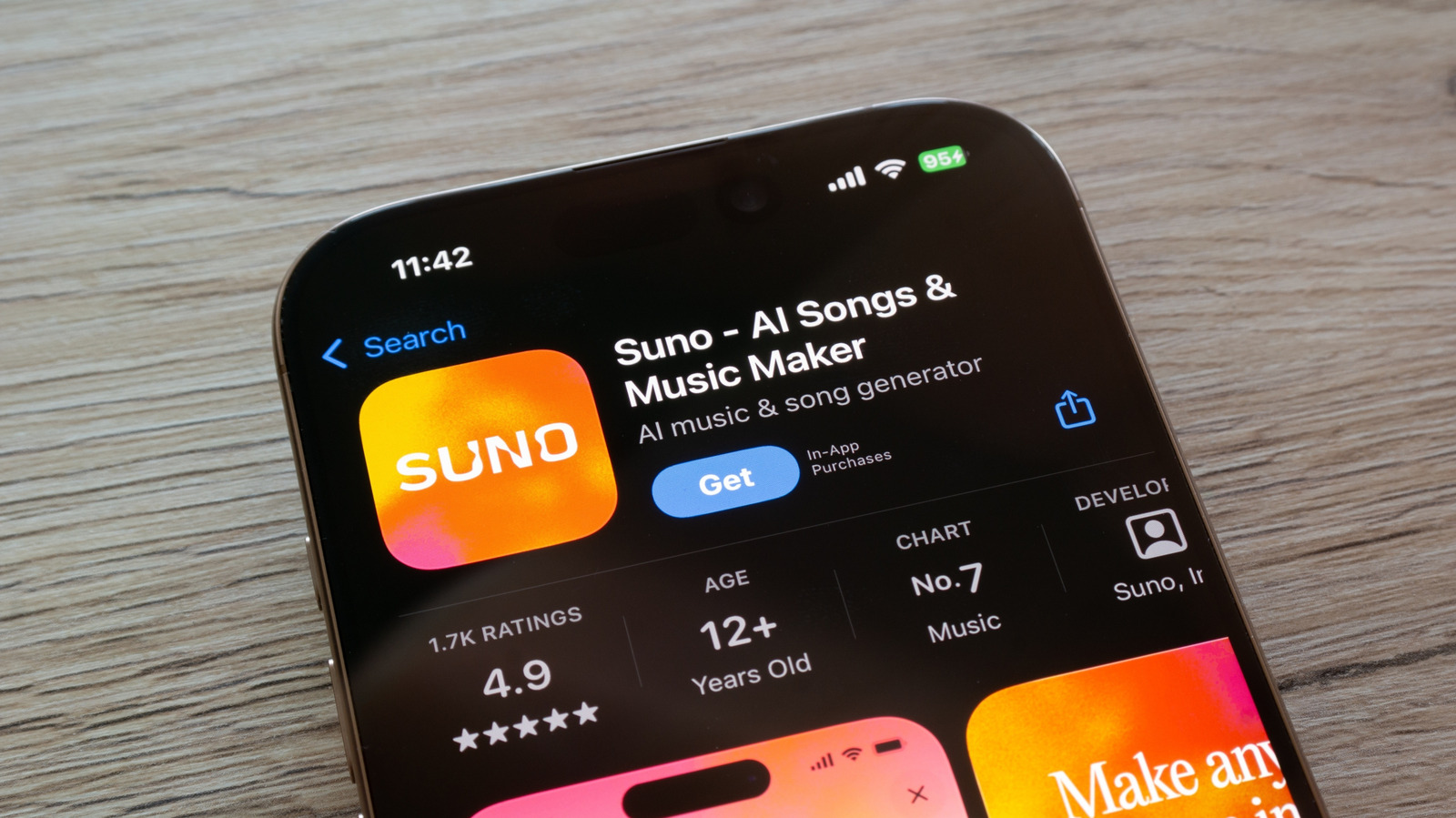
Suno will embed audio watermarks and fingerprinting into songs created on its AI platform and impose download limits to curb mass distribution.
Downstream services will need to add detection logic to identify Suno-generated tracks, affecting ingestion pipelines and compliance checks. The new limits and screening partnerships shift responsibility for fraud prevention onto platform operators, who must adapt their APIs and moderation tools.
Written by elseif from the cluster below · every claim links back to a sourceThe three things worth knowing
Suno is adding audio watermarking and fingerprinting to AI-generated songs.
The company will enforce download limits to prevent large-scale distribution of its generated music.
Suno is partnering with Audible Magic and Musixmatch to screen audio and lyrics for potential misuse.
THE READ
What the cluster adds up to.
Suno announced a set of "transparency tools" that will embed a hidden audio signal in every track produced on its platform. The watermark is intended to survive typical editing and compression, allowing downstream platforms to flag AI-generated content. In parallel, Suno will cap how many times a generated song can be downloaded, aiming to stop bulk sharing that has drawn industry criticism. These moves come amid lawsuits and pressure from major music labels demanding clearer attribution for AI-created tracks.
For engineers, the watermark introduces a new detection requirement in any workflow that ingests or republishes Suno music. Implementing this may involve integrating Suno-provided SDKs or third-party detection libraries, adding a processing step before storage or streaming. The cost is the development effort to incorporate the detection API and maintain the associated metadata, as well as potential latency introduced by the extra check.
The watermark's resilience is described as surviving editing, but the announcement provides no technical specifics, so detection could fail under aggressive transformations such as heavy compression or remixing. Engineers should design fallback policies for cases where the signal cannot be verified, possibly treating unverified tracks as high-risk content. Additionally, the download-limit policy will require API-level throttling or quota enforcement to block bulk download attempts, impacting how services batch retrieve songs.
Suno's collaboration with Audible Magic and Musixmatch indicates that third-party content-recognition services will be part of the compliance stack. Integrating these services means handling additional API calls, interpreting match results, and managing false-positive rates. This expands the compliance surface area, requiring teams to monitor and update detection rules as the external services evolve.
Overall, platforms that host or recommend music will need to respect Suno's watermark and download constraints to avoid legal exposure and potential bans from music industry bodies. This may involve updating ingestion pipelines to check for the watermark, displaying attribution where required, and enforcing download quotas. Failure to adapt could result in the platform inadvertently distributing unlabeled AI tracks, which industry groups are seeking to disqualify from charts.
Written by elseif from the cluster below · checked for specifics the sources never containedTHE CLUSTER