TECH Signal 133
SLAC opens on-site and educational tours for engineers and students aged 12 and above
 ↗
↗
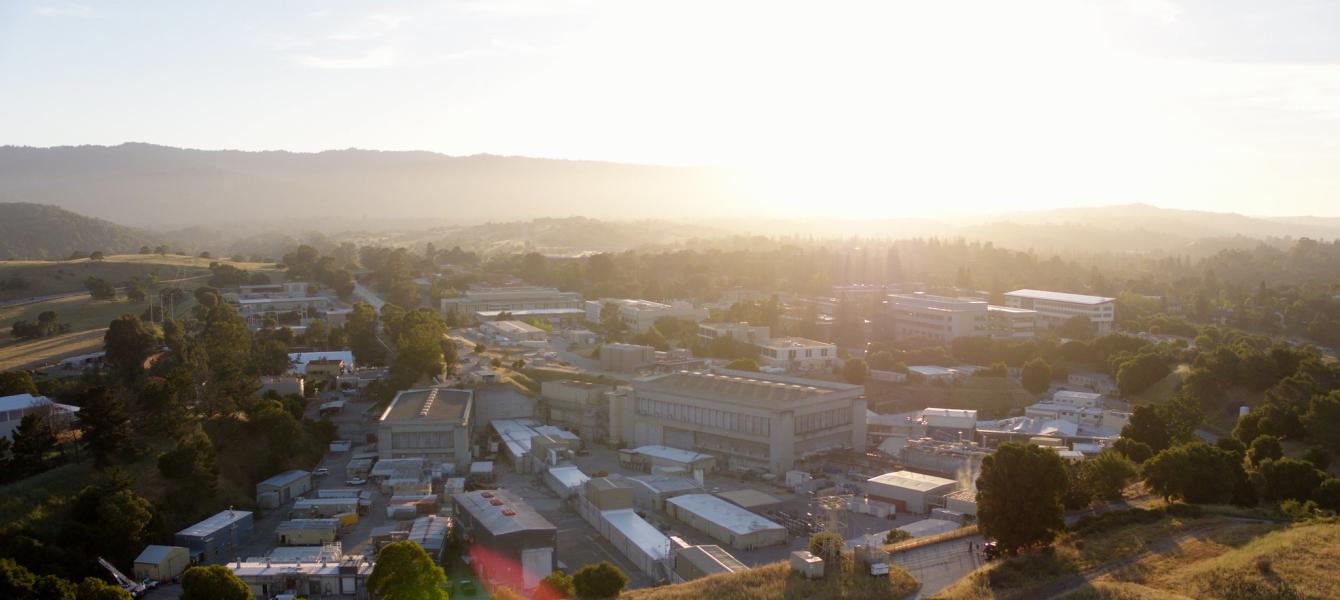
SLAC National Accelerator Laboratory now offers guided tours of its research facilities to the public and educational groups.
Engineers and researchers can observe cutting-edge accelerator and science infrastructure firsthand. The tours provide rare access to large-scale experimental physics environments, which may inform future design or collaboration opportunities. Limited availability and strict safety protocols reflect the operational constraints of an active research lab.
Written by elseif from the cluster below · every claim links back to a sourceThe three things worth knowing
Public and educational tours require advance registration and adherence to safety and security rules.
Visitors must be at least 12 years old, with minors accompanied by adults and all participants signing waivers.
Tours exclude high-risk areas and restrict personal items, reflecting SLAC’s active research and security requirements.
THE READ
What the cluster adds up to.
SLAC’s decision to offer guided tours marks a shift toward public engagement with its research infrastructure. The tours are structured to balance accessibility with the operational realities of a working national lab. Engineers and students gain direct exposure to large-scale accelerator and detector systems, which are rarely visible outside classified or proprietary facilities. This transparency could foster interest in accelerator science or related fields, though the lab’s unclassified status limits what can be shown.
The logistical requirements underscore the challenges of hosting visitors in an active research environment. Tours are limited to specific days, group sizes, and age ranges, with strict ID verification and bag restrictions. These measures reflect security and safety protocols typical of federal research facilities. The exclusion of high-risk areas, such as those with potential radiation exposure, ensures visitor safety but may also limit the depth of technical insight available during the tour.
For engineers, the tours offer a unique opportunity to observe the scale and complexity of SLAC’s infrastructure. The lab’s emphasis on live guides and shuttle transport suggests an effort to provide context and manage visitor flow efficiently. However, the requirement for educational groups to arrive by bus and the need for advance registration (1-2 months ahead) may limit spontaneous or small-scale visits. The tours’ focus on unclassified research ensures compliance with federal guidelines but may leave some technical details unaddressed.
The tours’ design highlights the trade-offs between public access and operational continuity. SLAC’s decision to allow photography (without tripods) and provide shuttle transport reflects an effort to accommodate visitors without disrupting ongoing research. However, the lab’s ability to cancel tours on short notice underscores the priority of its primary mission. For engineers, this serves as a reminder that such facilities are first and foremost research environments, with public engagement as a secondary consideration.
Written by elseif from the cluster below · checked for specifics the sources never containedTHE CLUSTER