TECH Signal 133
Tesla discontinues Solar Roof leaving certified installers with stranded six-figure investments
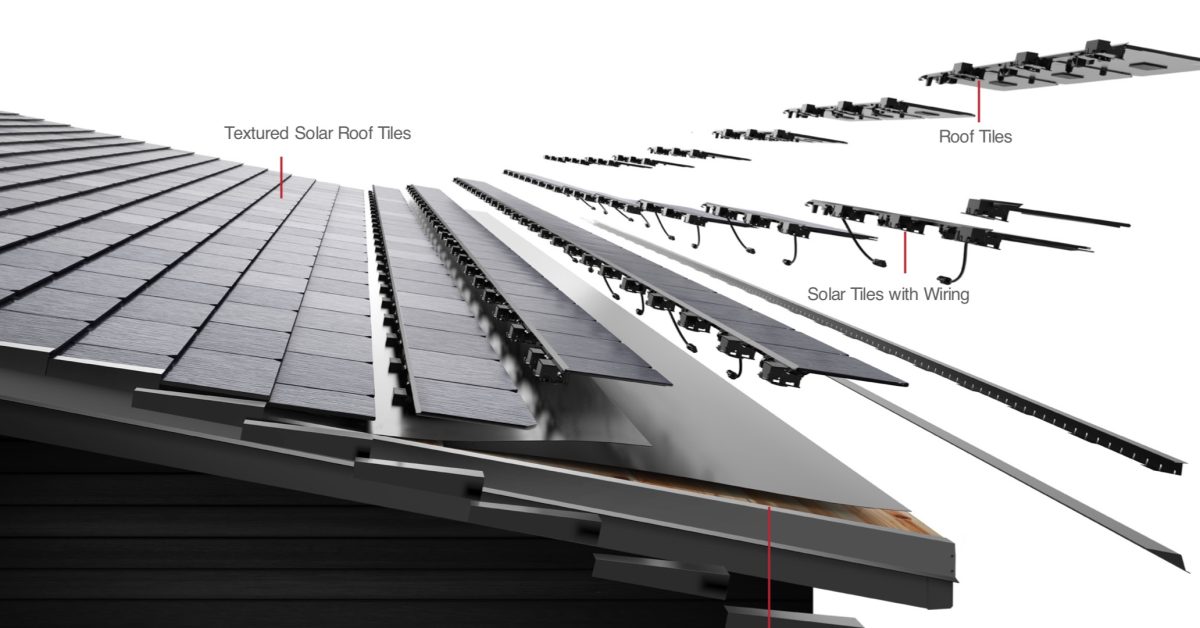 ↗
↗
Tesla’s abrupt exit from its Solar Roof program strands third-party installers with sunk training costs and mid-pipeline project rework.
Engineers and contractors who built businesses around Tesla’s Solar Roof now face stranded capital and operational disruption. The episode highlights the risks of tying a specialized skill set to a single vendor’s product lifecycle.
Written by elseif from the cluster below · every claim links back to a sourceThe three things worth knowing
Tesla stopped supplying Solar Roof tiles in August, redirecting installers to conventional solar panels instead.
Certified installers invested weeks in training and hundreds of thousands in tooling for a product that took over two weeks to install per project.
Installers remain dependent on Tesla for other energy products but now face warranty and parts uncertainty for existing Solar Roof systems.
THE READ
What the cluster adds up to.
Tesla’s decision to discontinue the Solar Roof was executed without advance notice to its network of certified installers. The company ceased tile shipments in August, leaving contractors with active projects and no clear path to completion. Installers had already invested in multi-week training sessions and specialized tooling, costs that are now unrecoverable. The abrupt shift forces mid-pipeline redesigns, adding labor and material expenses to projects already in progress.
The financial impact on installers is substantial. Reports indicate some contractors sunk hundreds of thousands of dollars into training crews and building operational capacity around the Solar Roof. The product’s complexity, requiring two-plus weeks to install compared to two days for conventional solar, amplified these costs. Installers now face the challenge of repurposing their workforce and equipment for alternative systems, while also managing customer expectations for projects already underway.
Tesla’s exit leaves installers in a precarious position regarding long-term support. While the company has committed to honoring existing warranties and supplying replacement parts, contractors express skepticism about the feasibility of maintaining a 25-year product lifecycle. The Solar Roof’s intricate electrical connections and labor-intensive servicing requirements raise concerns about future labor costs and parts availability. Installers remain dependent on Tesla for other products, limiting their ability to publicly criticize the company.
The Solar Roof’s discontinuation underscores the risks of vendor lock-in for specialized engineering and installation work. Contractors built businesses around a product that Tesla itself struggled to scale, with installations peaking at just 32 per week, far below the promised 1,000 weekly installations. The episode highlights the vulnerability of third-party partners when a vendor shifts strategy, particularly in a market where product lifecycles and support commitments are critical to long-term viability.
Written by elseif from the cluster below · checked for specifics the sources never containedTHE CLUSTER