TECH Signal 377
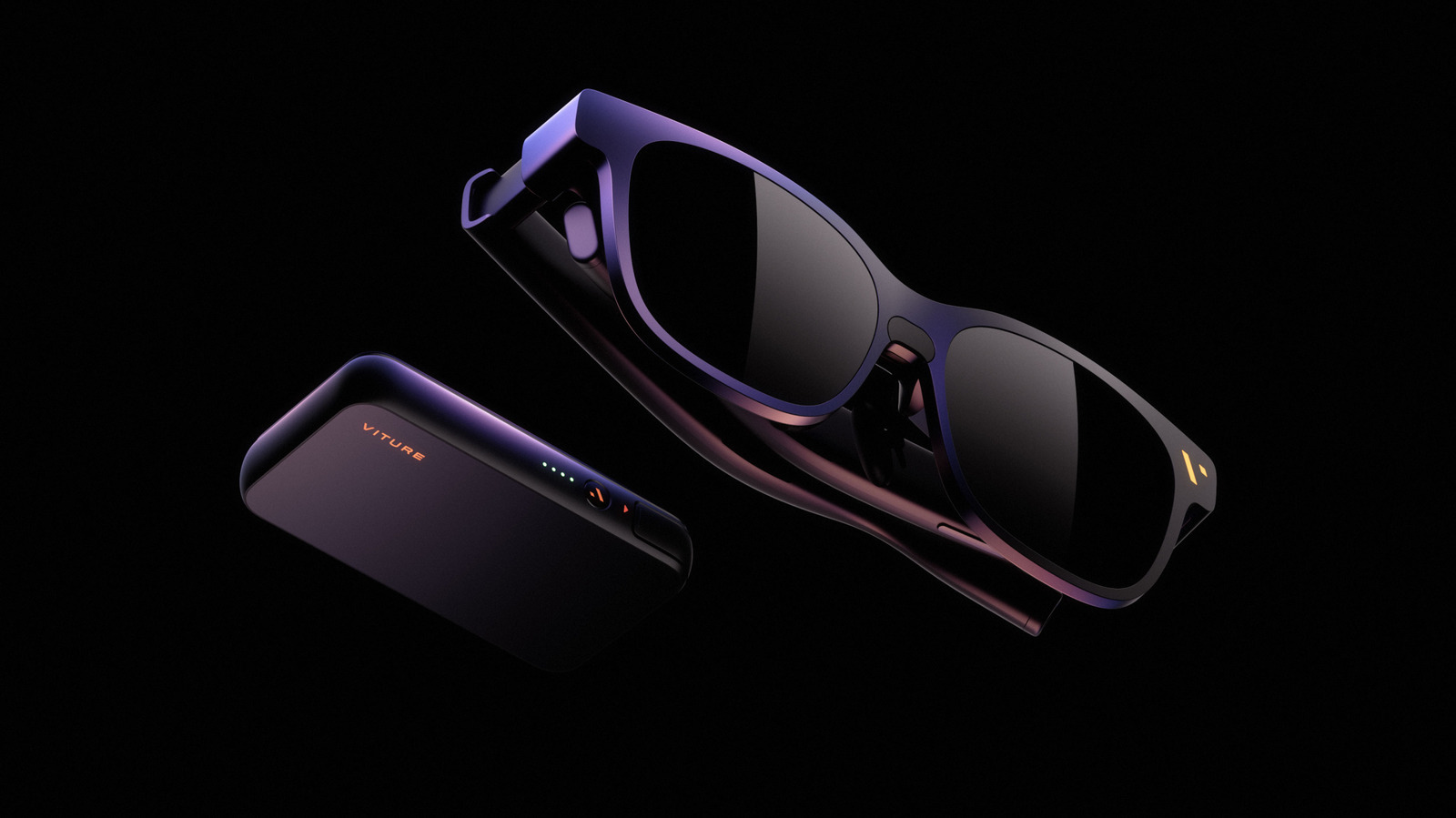
The $299 Viture Pro 2 are the company's lightest and most comfortable smartglasses yet
 ↗
↗
Viture released the $299 Pro 2 smartglasses, weighing 63 g and featuring comfort upgrades, together with a $99 Mobile Dock Mini.
The lighter, thinner design and adjustable diopter reduce eye strain, making the device more suitable for extended AR testing. Integrated high brightness and a wider field of view improve visual fidelity for developers. The mandatory wired USB-C link and birdbath optics limit untethered use, differentiating it from fully wireless competitors.
Written by elseif from the cluster below · every claim links back to a sourceThe three things worth knowing
The Pro 2 is 63 g, 16 % thinner and 20 % lighter than the original, with upgraded temple padding, more nose-pad adjustments, and a standard lens shade.
It offers up to 1,600 nits peak brightness, a 50-degree field of view, 1920 × 1080 per-eye resolution at 120 Hz, and per-eye diopter adjustment from 0 to, 5.00 D.
The Mobile Dock Mini sells for $99, is 34 % smaller and 30 % lighter than its predecessor, and includes a 10,000 mAh battery plus a magnetic adapter for the Switch 2.
THE READ
What the cluster adds up to.
Viture’s Pro 2 smartglasses shrink the hardware envelope by making the frame 16 % thinner and 20 % lighter than the first generation, landing at a total weight of 63 g. Comfort is addressed through thicker temple padding, a broader range of nose-pad settings, and an included lens shade. Optically, the device retains birdbath-style optics but adds a smoother field curvature and UltraClarity 3.0 processing to boost perceived image quality. Brightness peaks at 1,600 nits, and the field of view expands to 50 degrees while preserving the 1920 × 1080 per-eye resolution and 120 Hz refresh rate. A built-in diopter range of 0 to, 5.00 D lets users fine-tune focus without external prescription lenses.
Adopting the Pro 2 costs $299 for the glasses alone, with an optional Mobile Dock Mini at $99 that supplies power and a USB-C link to a host device. The dock’s 10,000 mAh battery can keep both the glasses and a connected smartphone or laptop running for extended sessions. Engineers must provision a USB-C cable and a compatible host, which adds wiring overhead compared with wireless AR headsets. The combined bundle can be purchased for $378, offering a modest $20 discount for buying both together. Integration therefore requires budgeting for both hardware items and the ancillary cabling infrastructure.
The design choice of birdbath optics means the Pro 2 is bulkier than waveguide-based competitors, and the mandatory wired USB-C connection prevents true untethered operation. As a result, the glasses are better suited for stationary or desk-bound scenarios where a host device can remain nearby. They are not positioned to compete directly with social-media-focused smartglasses that prioritize lightweight, wireless form factors. Developers targeting high-brightness, high-resolution AR experiences will benefit, but must accept the trade-off of reduced mobility. The device’s reliance on an external power source also limits battery life to what the dock can supply.
For software teams, the higher peak brightness and expanded field of view enable more legible overlays and richer visual content, reducing the need for aggressive UI scaling. The per-eye diopter adjustment simplifies testing across users with varying vision, potentially eliminating separate prescription inserts. However, the tethered setup requires that any real-time data streams or rendering pipelines be routed through the USB-C link, influencing latency budgets and cable management in test rigs. Engineers should design their AR applications to handle a stable wired connection and consider the dock’s battery capacity when planning session lengths.
Engadget’s coverage emphasized the price points and the introduction of the compact Mobile Dock Mini, framing the announcement as a value proposition for existing Viture users. The single-source reporting limits external validation, but the detailed specifications provide a clear picture of the hardware trade-offs. Teams evaluating AR hardware now have concrete metrics, weight, brightness, field of view, diopter range, and a cost model that includes both the glasses and the dock, allowing a more informed comparison against alternative platforms.
Written by elseif from the cluster below · checked for specifics the sources never containedTHE CLUSTER