TECH Signal 280
Adult brain repairs itself via astrocytes sending nuclei to damaged regions
 ↗
↗
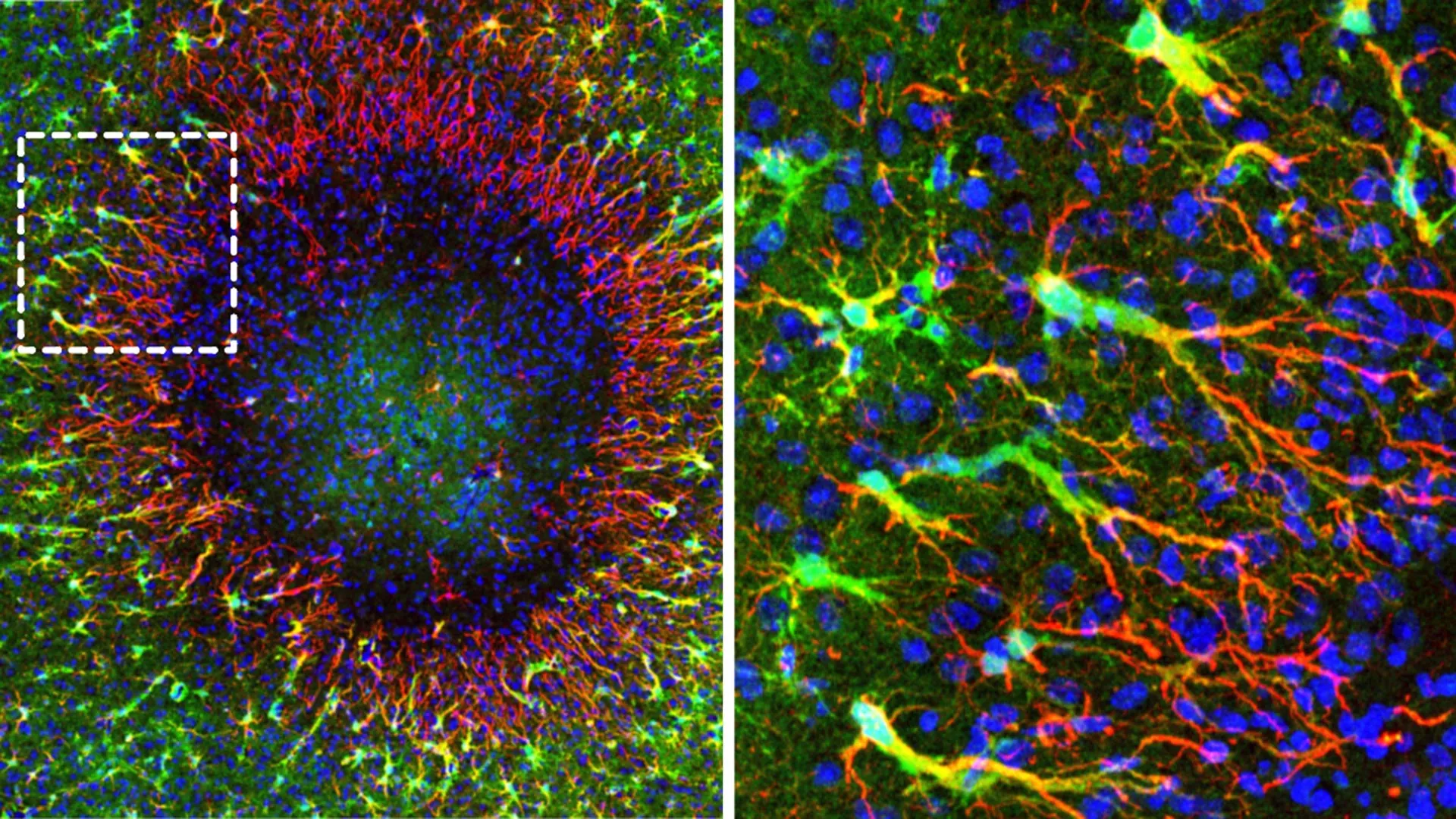
Researchers found that adult astrocytes can generate and transport new nuclei to rebuild damaged brain networks, revealing a stronger self-repair capacity than previously known.
The discovery identifies specific astrocytes that create and move nuclei to injury sites, offering a mechanistic target for regenerative strategies. Understanding the activated genes and signaling pathways provides concrete points for engineers to design interventions that enhance brain repair. This insight could guide the development of bio-inspired materials or devices that support neural tissue recovery.
Written by elseif from the cluster below · every claim links back to a sourceThe three things worth knowing
Researchers identified a specialized group of astrocytes that generate new nuclei and send them along cellular extensions to damaged brain areas.
The repair process was observed in live mice using two-photon microscopy and gene activity tracking.
Activated genes and signaling pathways during repair were identified, offering potential targets for future regeneration therapies.
THE READ
What the cluster adds up to.
The study shows that adult astrocytes do not merely migrate to lesions; they produce new nuclei that travel through their own extensions to repopulate damaged areas. This mechanism contradicts the earlier belief that the adult brain cannot replace lost astrocytes. It reveals a hidden repair system that can rebuild lost cellular networks after injury.
Adopting this mechanism for therapeutic use would require precise control over astrocyte nuclear generation and transport, which currently depends on advanced imaging like two-photon microscopy and genetic manipulation tools. These techniques are expensive and demand specialized expertise, increasing the cost of research and potential clinical translation. Moreover, safely activating the identified genes and signaling pathways without off-target effects remains a significant challenge.
The evidence comes from mouse models, and it is not yet known whether the same nuclear-transport process operates in the human brain or in all types of astrocyte loss. The repair may be limited to situations where some astrocytes remain to generate the nuclei, and may not function when the glial population is completely depleted. Extrapolating these results to complex neurodegenerative diseases or traumatic brain injury therefore involves uncertainty.
Because only one feed reported the finding, there is no independent corroboration to strengthen confidence in the results. Additional studies from other laboratories will be needed to verify the nuclear-transport mechanism and to assess its relevance across species and injury contexts. Until such validation occurs, engineers should treat the discovery as a promising but preliminary lead for regenerative design.
Written by elseif from the cluster below · checked for specifics the sources never containedTHE CLUSTER