TECH Signal 151
AI Safety Movement Reportedly Makes AI Less Transparent and More Consolidated
 ↗
↗
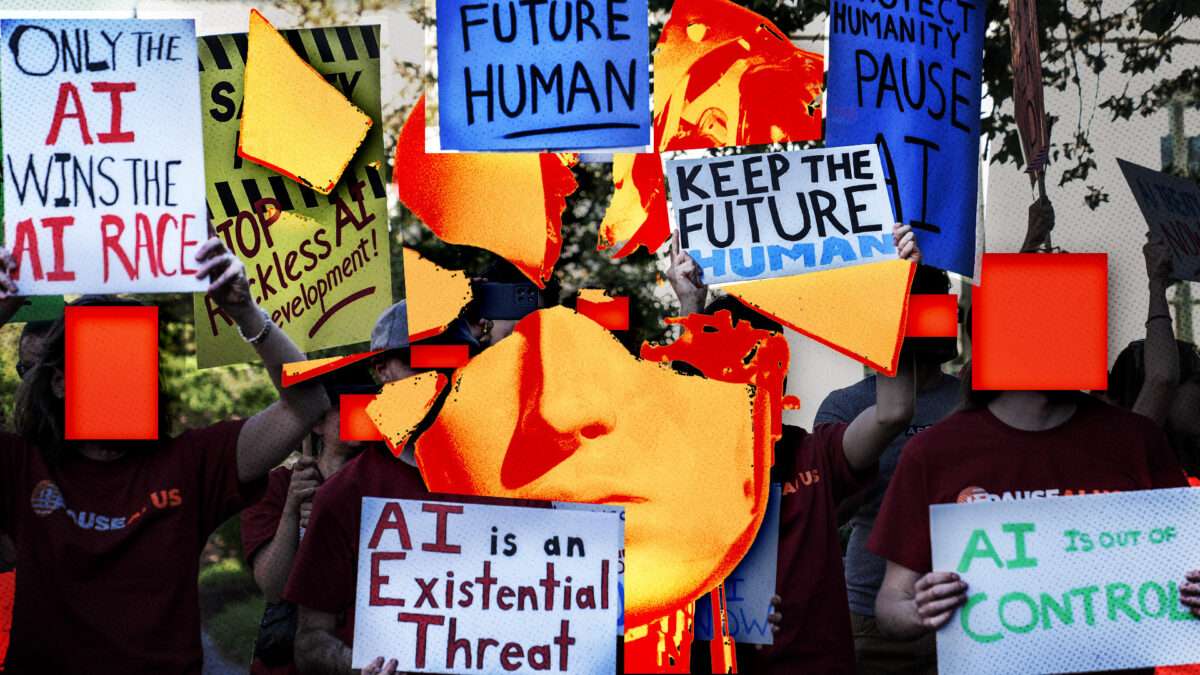
The fear of AI superintelligence is influencing design choices that reduce AI transparency.
The ongoing AI safety movement, driven by fears of superintelligence, is leading to counterproductive regulatory approaches. These decisions may hinder public understanding and access to AI technologies, ultimately affecting innovation and safety measures.
Written by elseif from the cluster below · every claim links back to a sourceThe three things worth knowing
The AI safety movement is shaped by fears of superintelligence and leads to a lack of transparency.
Regulatory calls from AI companies are seen as a way to consolidate control over the technology.
Critics argue that the focus on 'perfectly aligned' AI may make systems harder to control.
THE READ
What the cluster adds up to.
The AI safety movement has emerged from a combination of fears surrounding superintelligence and the philosophical beliefs of influential figures in AI companies. This has led to a push for regulations that prioritize keeping AI technology within a tightly controlled framework, which may inadvertently reduce transparency and public engagement with the technology.
The consolidation of AI technology under the guise of safety raises concerns about the accountability of those in control. By limiting access and understanding of AI systems, the movement risks creating monopolies that may prioritize their interests over broader societal needs, potentially leading to dangerous outcomes in the long run.
Critics of the movement highlight that the focus on alignment with human values could result in overly cautious design choices, ultimately making AI systems less effective and harder to manage. The anxiety surrounding potential risks may lead to decisions that complicate rather than simplify the safe deployment of AI technologies.
The debate surrounding AI safety reflects a broader philosophical divide, with differing views on the role of AI in society. While some advocate for consolidation and control, others argue for democratized access, suggesting that multiple AI models could foster a more resilient and secure environment, countering the narrative of a singular, all-powerful AI.
The ongoing discussions indicate a tension between innovation and safety, underscoring the need for a balanced approach. Striking the right balance will be crucial in ensuring that AI development continues while addressing legitimate safety concerns without stifling progress.
Written by elseif from the cluster below · checked for specifics the sources never containedTHE CLUSTER