TECH Signal 175
Arctic melt season lengthened 40 days but plateaued after 2010 reportedly
 ↗
↗
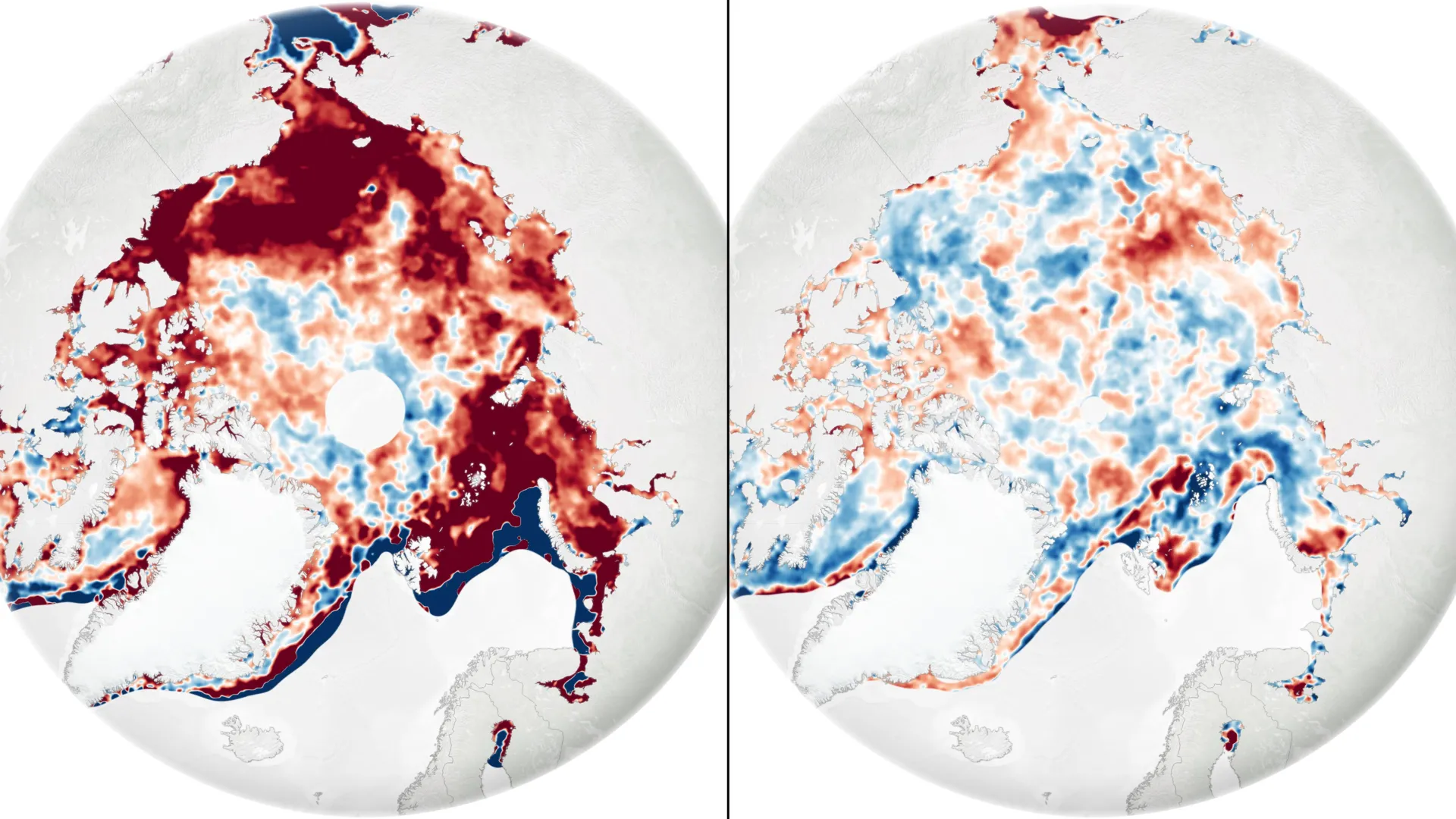
The Arctic melt season lengthened by about 40 days since 1979, but its average duration stabilized around 2010 despite ongoing warming.
A longer melt season accelerates ice loss and amplifies Arctic warming, while the recent plateau suggests shifting atmospheric and cloud influences may temporarily offset continued ice thinning. Engineers monitoring climate models must account for this variability when projecting system resilience in polar regions.
Written by elseif from the cluster below · every claim links back to a sourceThe three things worth knowing
Arctic melt season lengthened by roughly 40 days since 1979, primarily due to later autumn freeze-up.
Average melt season duration stabilized after 2010 despite continued Arctic warming.
Thinner ice and changing cloud patterns now dominate melt season variability.
THE READ
What the cluster adds up to.
The melt season has grown longer for decades, but the average duration stopped increasing around 2010, indicating a shift in the underlying dynamics of sea ice.
This stabilization occurs even though the Arctic continues to warm nearly four times faster than the global average and sea ice remains thinner than in previous decades.
Scientists attribute the pause to changing cloud patterns and the increased sensitivity of thin ice to short-term atmospheric conditions, which can both delay and accelerate freeze-up.
The plateau may be temporary; if thinning persists and cloud influences shift, the melt season could resume its upward trajectory, affecting infrastructure planning in polar environments.
Written by elseif from the cluster below · checked for specifics the sources never containedTHE CLUSTER