TECH Signal 248
Artisan cheese microbes linked to gut health benefits in early research
 ↗
↗
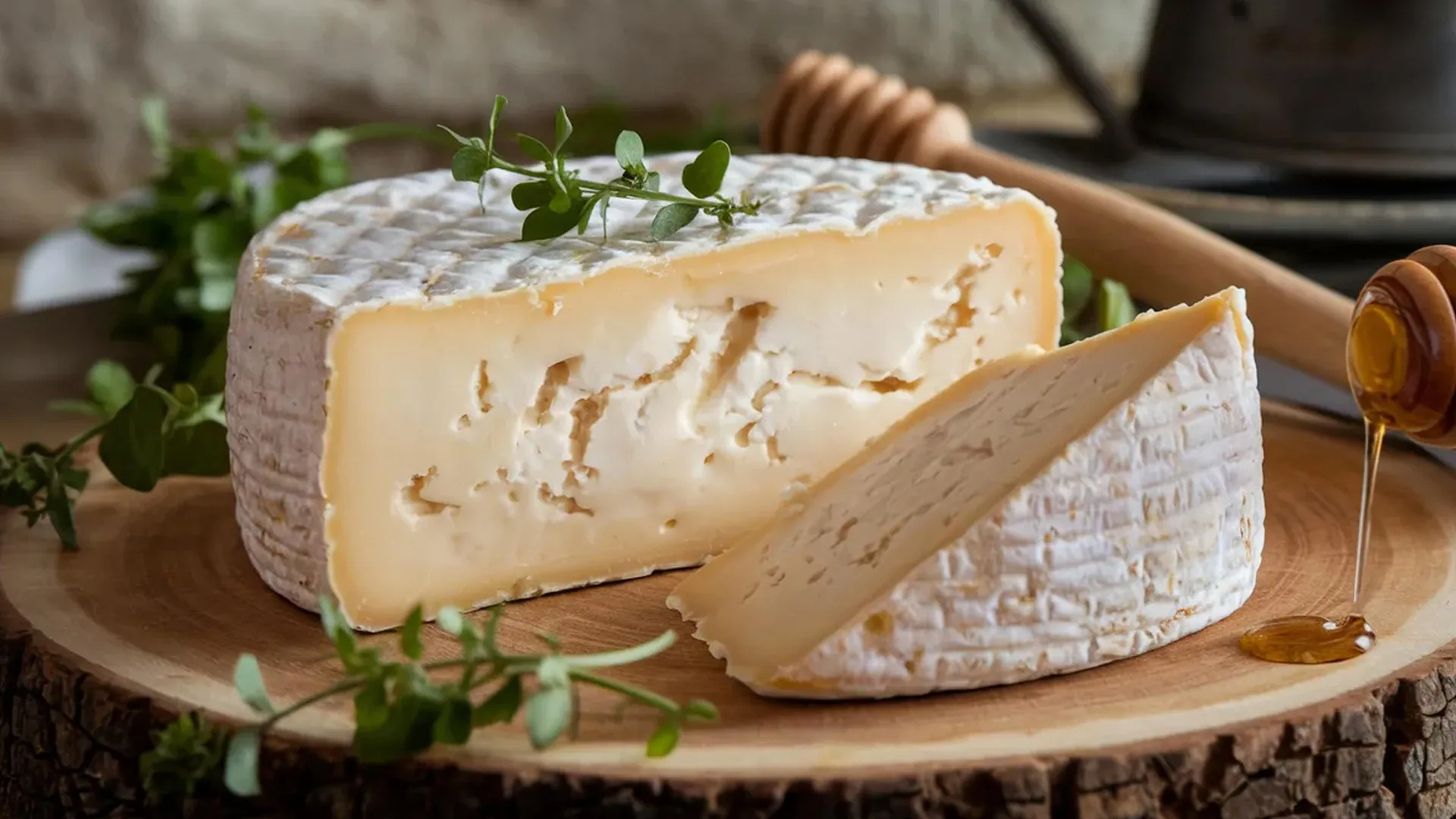
A study of three British artisan cheeses found that bacteria responsible for flavor may also produce compounds tied to reduced inflammation and cholesterol regulation.
This research suggests that traditional cheese-making could yield functional foods with probiotic potential. If confirmed, it may influence how engineers in food tech design fermentation processes or delivery systems for bioactive compounds. However, the findings are preliminary and require further validation.
Written by elseif from the cluster below · every claim links back to a sourceThe three things worth knowing
Bacteria in artisan cheeses may produce compounds linked to anti-inflammatory effects and cholesterol regulation.
Cheese rinds and aging processes could enhance microbial diversity, potentially acting as prebiotics.
Lactose was nearly absent in mature cheeses, suggesting better digestibility for lactose-intolerant individuals.
THE READ
What the cluster adds up to.
The study examined three artisan cheeses at different maturation stages, identifying bacteria like *Streptococcus thermophilus* and *Propionibacterium freudenreichii* that contribute to flavor while potentially offering gut health benefits. These microbes are already used in dairy fermentation, but their role in producing bioactive compounds, such as propionic acid, adds a new dimension to their function. For engineers in food tech, this could mean optimizing fermentation conditions to maximize these effects without compromising taste or safety.
The research highlights how aging processes influence microbial diversity. The hay-aged cheese, for example, saw a fourfold increase in bacterial species over time. This suggests that controlled maturation could be a tool for enhancing probiotic properties. However, the variability in microbial communities across cheese types means that scaling such processes would require precise monitoring and standardization. Engineers would need to balance microbial growth with shelf stability and regulatory compliance.
While the findings are promising, they remain preliminary. The study did not conduct human trials to confirm whether the bacteria survive digestion or produce the same effects in the gut. This gap limits immediate applications but opens avenues for future work, such as designing delivery systems (e.g., encapsulation) to protect probiotics during digestion. For now, the results underscore the potential of traditional foods as sources of functional ingredients, though further validation is necessary before commercial or clinical adoption.
Written by elseif from the cluster below · checked for specifics the sources never containedTHE CLUSTER