LANGUAGES Signal 124
C++20 introduces breaking change with u8/char8_t affecting backward compatibility
 ↗
↗
Comments
The change in C++20 regarding u8 string literals to char8_t causes existing code to fail to compile. This impacts developers maintaining older codebases who upgrade to C++20, as they must either refactor code or avoid the u8 prefix. Understanding this change is critical for ensuring compatibility and functionality in future projects.
Written by elseif from the cluster below · every claim links back to a sourceThe three things worth knowing
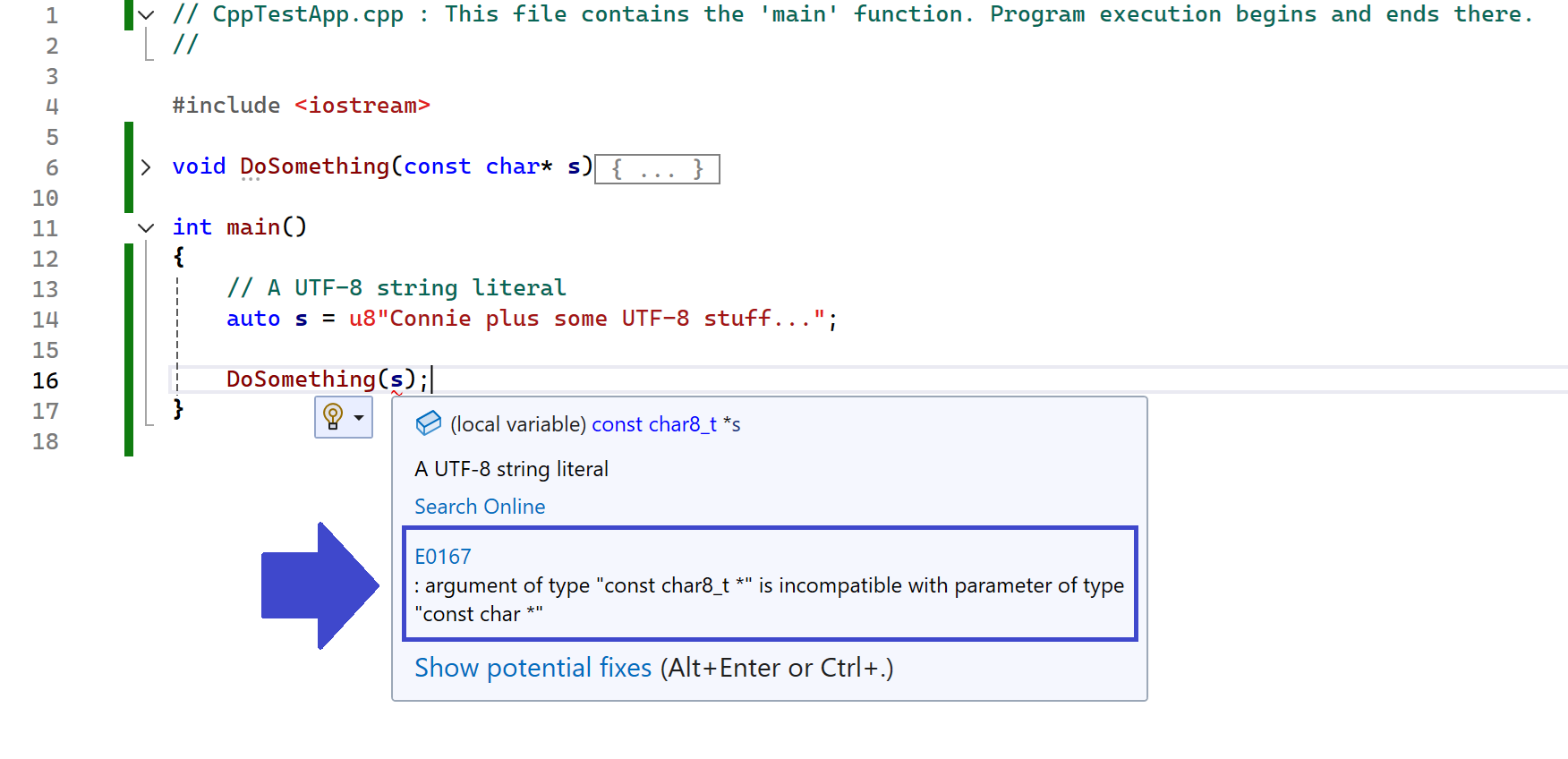
C++20 changes u8 string literals from const char to const char8_t.
Existing code that worked in C++17 may fail to compile in C++20 due to this change.
Developers are advised to avoid using the u8 prefix to maintain compatibility.
THE READ
What the cluster adds up to.
The primary change introduced in C++20 is the alteration of how u8 string literals are treated, specifically their type conversion from const char to const char8_t. This means that code that previously compiled without issues in C++17 may now encounter compilation errors when upgraded to C++20, as demonstrated by the provided code snippet.
Adopting C++20 requires developers to reassess existing codebases, particularly those that utilize u8 string literals. If they do not refactor the impacted code, they will face direct compilation issues, which could result in projects stalling while solutions are found. This change will necessitate a careful review of libraries and dependencies to ensure they are compatible with the new standard.
The breaking change also highlights a broader issue: the assumption that newer C++ standards will always maintain backward compatibility. Developers need to be aware of such changes and the potential risks involved in upgrading to new standards without thorough testing and validation of their existing code. Additionally, guidance from resources like Google’s C++ Style Guide suggests best practices to mitigate issues arising from these changes.
Written by elseif from the cluster below · checked for specifics the sources never containedTHE CLUSTER