TECH Signal 386
The California Teamsters union is suing the state over self-driving trucks
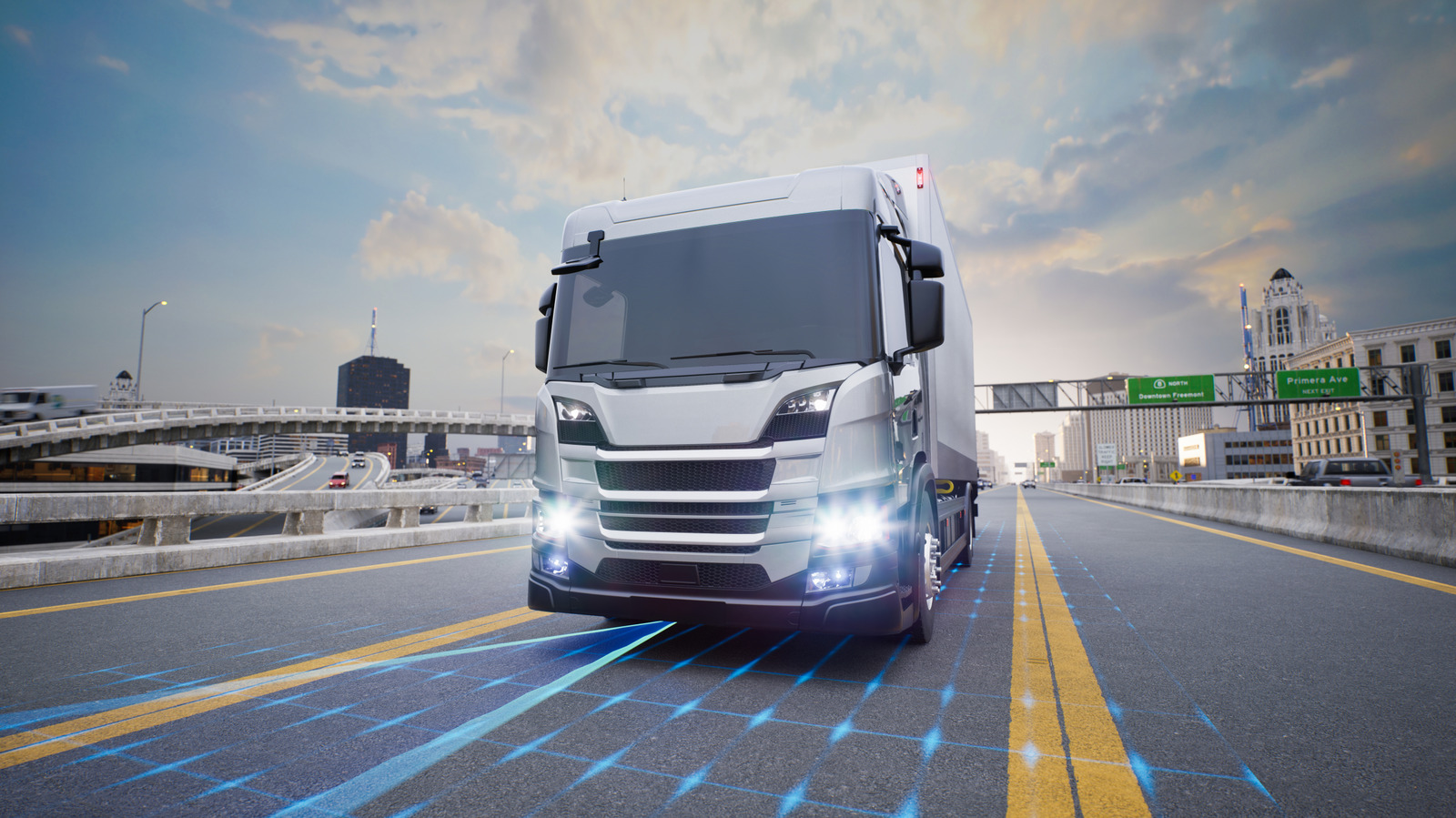 ↗
↗
California’s DMV adopted new rules that allow autonomous trucks on state roads, prompting the Teamsters union to sue over alleged job losses and procedural flaws.
The lawsuit creates regulatory uncertainty for companies developing self-driving trucks, potentially delaying testing and deployment in a market the industry views as critical. Engineers may need to allocate resources to legal compliance, additional safety documentation, or redesigns if the rules are altered or halted by the courts.
Written by elseif from the cluster below · every claim links back to a sourceThe three things worth knowing
The DMV introduced a testing framework for both light-duty and heavy-duty autonomous trucks, overturning a prior ban on large self-driving vehicles.
The Teamsters allege the rules threaten up to 400,000 trucking jobs and were enacted without the required economic impact study, using an abbreviated rulemaking process.
The union seeks a court order to stop enforcement of the regulations and to force the DMV to rescind them, which could stall autonomous truck rollout in California.
THE READ
What the cluster adds up to.
California’s Department of Motor Vehicles moved in April to replace a blanket prohibition on large autonomous vehicles with a set of rules that create a testing framework for both light-duty and heavy-duty trucks. This regulatory shift opens state highways to robot trucks that were previously barred, signaling a policy change that directly affects where and how autonomous trucking systems can be trialed. The new framework is intended to facilitate industry growth but also marks a departure from earlier labor-driven restrictions.
The Teamsters union filed a lawsuit against the DMV, the Department of Finance, and the governor’s office, arguing that the regulations pose an "existential threat" to hundreds of thousands of drivers. The complaint cites a potential loss of more than 200,000 employee drivers and a comparable number of self-employed drivers, totaling roughly 400,000 jobs. It also claims the DMV failed to conduct a mandated economic impact study and used an abbreviated rulemaking process, which the union says violates procedural requirements.
For engineers building autonomous truck technology, the legal challenge introduces significant uncertainty about when and where testing can proceed. Companies may need to pause field trials, allocate legal resources, or prepare additional documentation to satisfy any court-mandated revisions to the rules. This uncertainty can increase time-to-market and raise costs for development cycles that depend on real-world data from California roads.
The broader market context shows the U.S. autonomous-vehicle trucking sector targeting multi-billion-dollar revenues by 2030, with California positioned as a key deployment hub. Political resistance, exemplified by the union’s lawsuit, could lead to stricter safety or labor provisions that engineers must integrate into vehicle control systems. Anticipating such constraints early can mitigate redesign effort later if the regulatory environment tightens.
If the court blocks the DMV’s regulations, the state could revert to its earlier prohibition, effectively shutting down any ongoing autonomous truck testing and forcing companies to seek alternative jurisdictions. Conversely, if the rules stand, firms must comply with the newly established testing framework, which may include specific reporting, safety standards, and possibly additional oversight. In either scenario, engineering teams must monitor the litigation outcome closely and be prepared to adjust deployment strategies accordingly.
Written by elseif from the cluster below · checked for specifics the sources never containedTHE CLUSTER