INFRA Signal 217
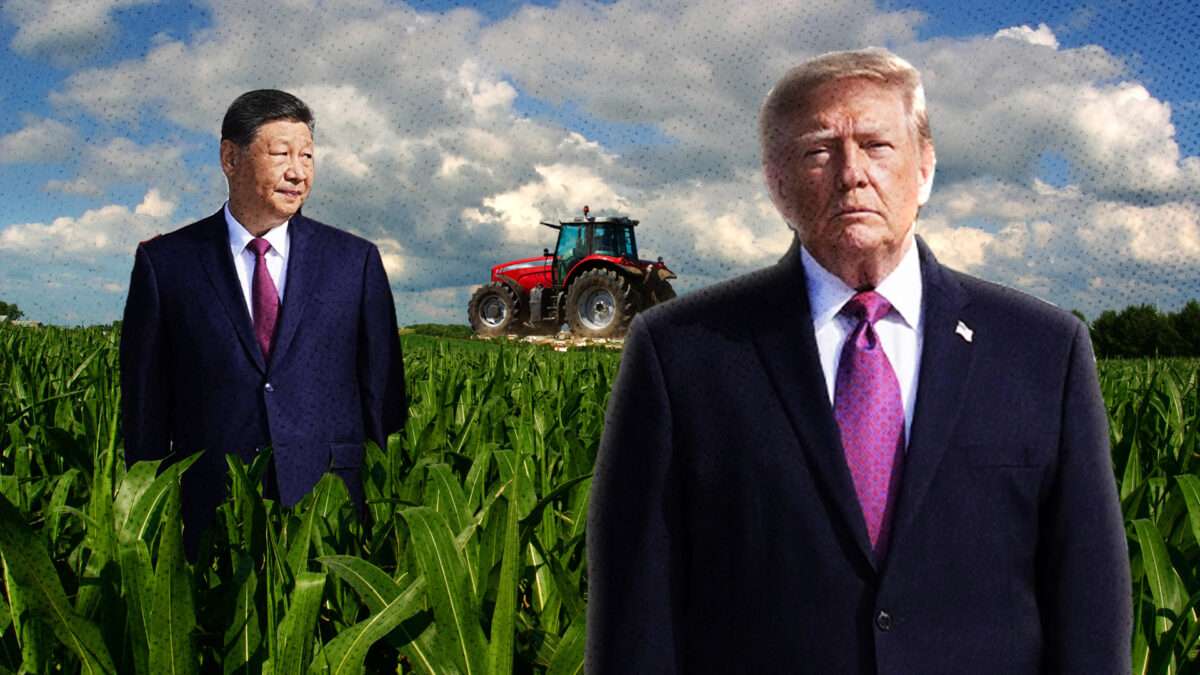
American Farmers Suffer a 78 Percent Drop in Exports to China Amid Trade War
 ↗
↗
The trade war initiated by President Trump has led to significant declines in U.S. agricultural exports, particularly to China.
The reduction in farm exports affects the agricultural economy, leading to financial hardships for farmers. This situation may influence political dynamics as farmers seek relief amid rising operational costs and decreasing market access. Understanding these impacts is crucial for future trade policy and agricultural support initiatives.
Written by elseif from the cluster below · every claim links back to a sourceThe three things worth knowing
U.S. agricultural exports to China fell from $38.1 billion in 2022 to $8.4 billion last year.
The Department of Agriculture acknowledges that the trade war has negatively impacted the farm economy.
Rising prices and decreased export markets are contributing to growing dissatisfaction among American farmers.
THE READ
What the cluster adds up to.
The trade war initiated under President Trump's administration has transformed the U.S. agricultural trade surplus into a deficit, primarily due to reduced exports to China. This shift has significant implications for farmers, who are facing both declining markets and rising costs.
Farm exports, particularly to China, have plummeted dramatically, with a reported 78 percent decrease over three years. This decline has resulted from retaliatory tariffs and various Chinese policies discouraging imports, which together have created a challenging environment for U.S. farmers.
The economic strain on farmers is compounded by rising operational prices, exacerbated by tariffs that have increased costs for goods. This situation has led to calls for desperate measures from politicians in farming states, reflecting the urgent need for a solution to the agricultural crisis.
Despite political attempts to address the issues, such as proposals to ban diesel exports, these solutions are seen as inadequate. The complexity of the trade war's impact on agriculture suggests that reversing the damage will require more comprehensive and thoughtful trade policies.
Ultimately, the ongoing trade war has created a significant burden for American farmers, who are now facing one of the steepest declines in market access ever recorded. The long-term implications for the agricultural sector could be profound, affecting not only farmers but also the agricultural supply chain and rural economies.
Written by elseif from the cluster below · checked for specifics the sources never containedTHE CLUSTER