TECH Signal 334
Low-impact exercise reportedly reduces joint pain and slows osteoarthritis progression in aging adults
 ↗
↗
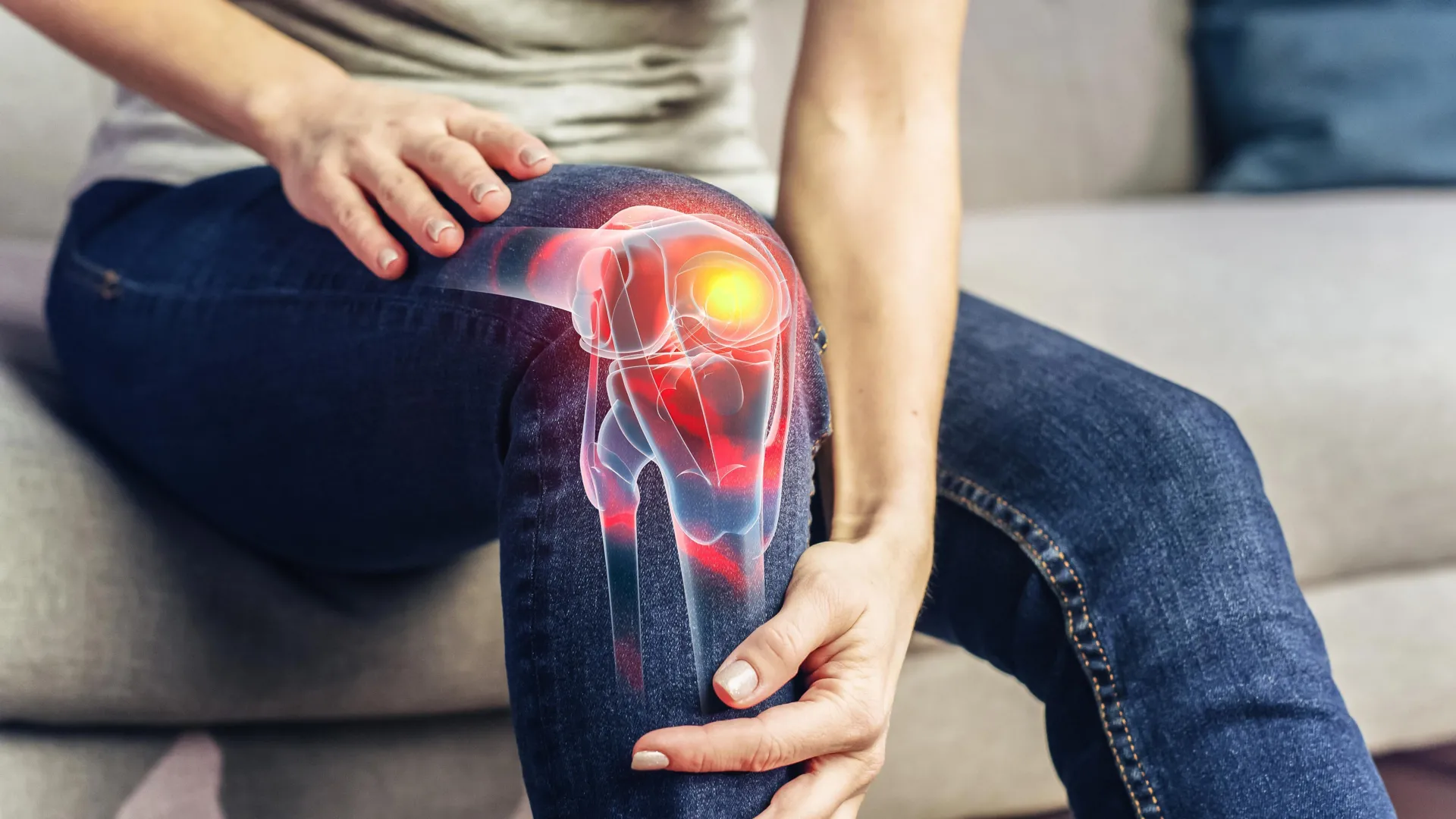
Avoiding movement accelerates joint deterioration, while low-impact exercise nourishes cartilage and strengthens supporting muscles.
Joint health directly impacts mobility and quality of life for engineers with desk-bound or physically demanding roles. Understanding the mechanics of exercise-driven joint protection can inform workplace ergonomics and personal wellness strategies. This research challenges the assumption that rest is the best remedy for joint pain.
Written by elseif from the cluster below · every claim links back to a sourceThe three things worth knowing
Cartilage and synovial fluid degrade with age, but motion helps distribute nutrients to joints.
Strengthening muscles around joints reduces pressure and pain, particularly in weight-bearing areas.
Low-impact activities like swimming, cycling, and walking on uneven terrain improve balance and proprioception.
THE READ
What the cluster adds up to.
Joints rely on cartilage and synovial fluid for smooth movement, but both degrade with age. Cartilage lacks a blood supply, making self-repair difficult, while synovial fluid requires motion to distribute nutrients. Avoiding exercise accelerates this deterioration, as stagnation deprives joints of critical lubrication and nourishment. The material suggests that even minimal movement can mitigate these effects, though it does not specify a threshold for effectiveness.
Exercise strengthens muscles that act as shock absorbers for joints, particularly in weight-bearing areas like knees and hips. Targeted strength training, such as quadriceps exercises, has been shown to reduce joint pain comparably to anti-inflammatory drugs, without the side effects. However, the material does not address whether high-impact activities (e.g., running) counteract these benefits or if certain exercises are contraindicated for advanced osteoarthritis.
Low-impact exercises like swimming, cycling, and tai chi reduce joint stress while improving mobility and balance. Water-based activities, for example, support up to 90% of body weight, minimizing strain. Walking on uneven terrain further enhances proprioception, which declines with age and contributes to uneven joint wear. The material implies these activities are accessible to beginners but does not detail progression strategies for long-term adherence.
Proprioception, the body’s ability to sense movement and position, deteriorates with age, increasing the risk of falls and joint damage. Exercises on unstable surfaces (e.g., grass, gravel) force joints to adapt, maintaining flexibility and stability. While the material highlights the benefits of such training, it does not quantify the frequency or duration required to achieve measurable improvements in postural control or fall prevention.
Written by elseif from the cluster below · checked for specifics the sources never containedTHE CLUSTER