TECH Signal 363
The downsides of switching from iPhone to Android
 ↗
↗
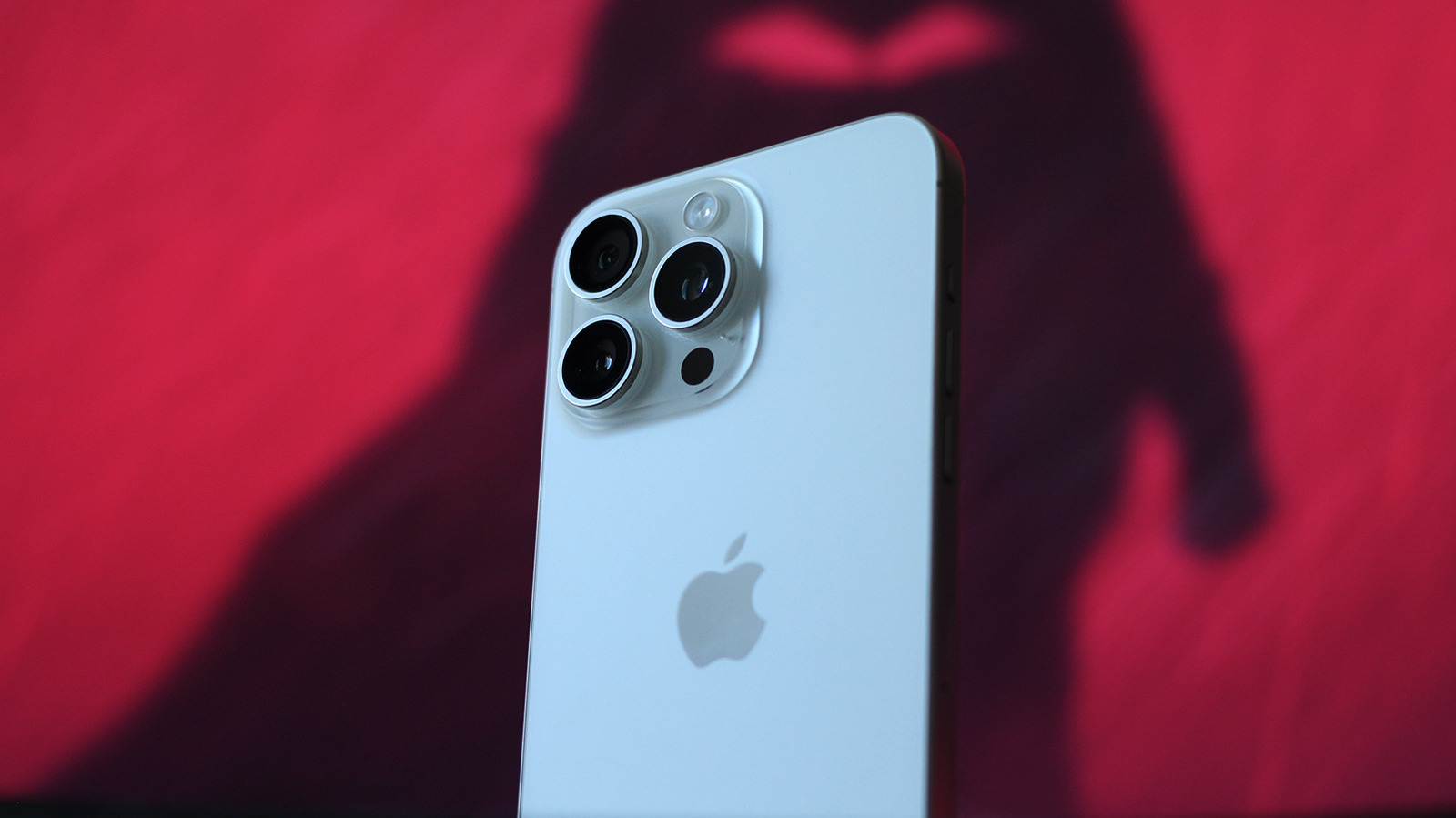
Switching from iPhone to Android now has fewer data migration headaches but still faces significant ecosystem lock-in from Apple's hardware accessories, exclusive services, and app availability.
For engineers building mobile products, the persistent platform lock-in described here shapes user retention and feature roadmap decisions. The friction points, accessories that degrade on Android, missing apps, and inconsistent OS support timelines, represent real switching costs that affect how you prioritize platform-specific development.
Written by elseif from the cluster below · every claim links back to a sourceThe three things worth knowing
Data migration between iOS and Android has improved, with WhatsApp chat transfers and Google suite syncing now working automatically.
Apple's ecosystem lock-in persists through hardware (AirPods lose features, Apple Watch won't pair) and software (iMessage remains exclusive, some apps like Flighty are iOS-only).
iOS apps often feel more polished because developers optimize for a small set of iPhone models rather than the fragmented Android landscape with its thousands of varying devices.
THE CLUSTER