TECH Signal 383
The FCC wants to ban drones with LiDAR that it previously approved
 ↗
↗
The FCC is proposing to prohibit the sale of DJI drones that include LiDAR, thermal imaging, or aerosol-dispensing capabilities, even though those models were previously cleared for market.
Engineers building applications that rely on high-resolution depth sensing will lose access to new hardware shipments and may face reduced software support. Existing units can still be used, but parts and firmware updates could become scarce, affecting long-term maintenance and scalability of drone-based solutions.
Written by elseif from the cluster below · every claim links back to a sourceThe three things worth knowing
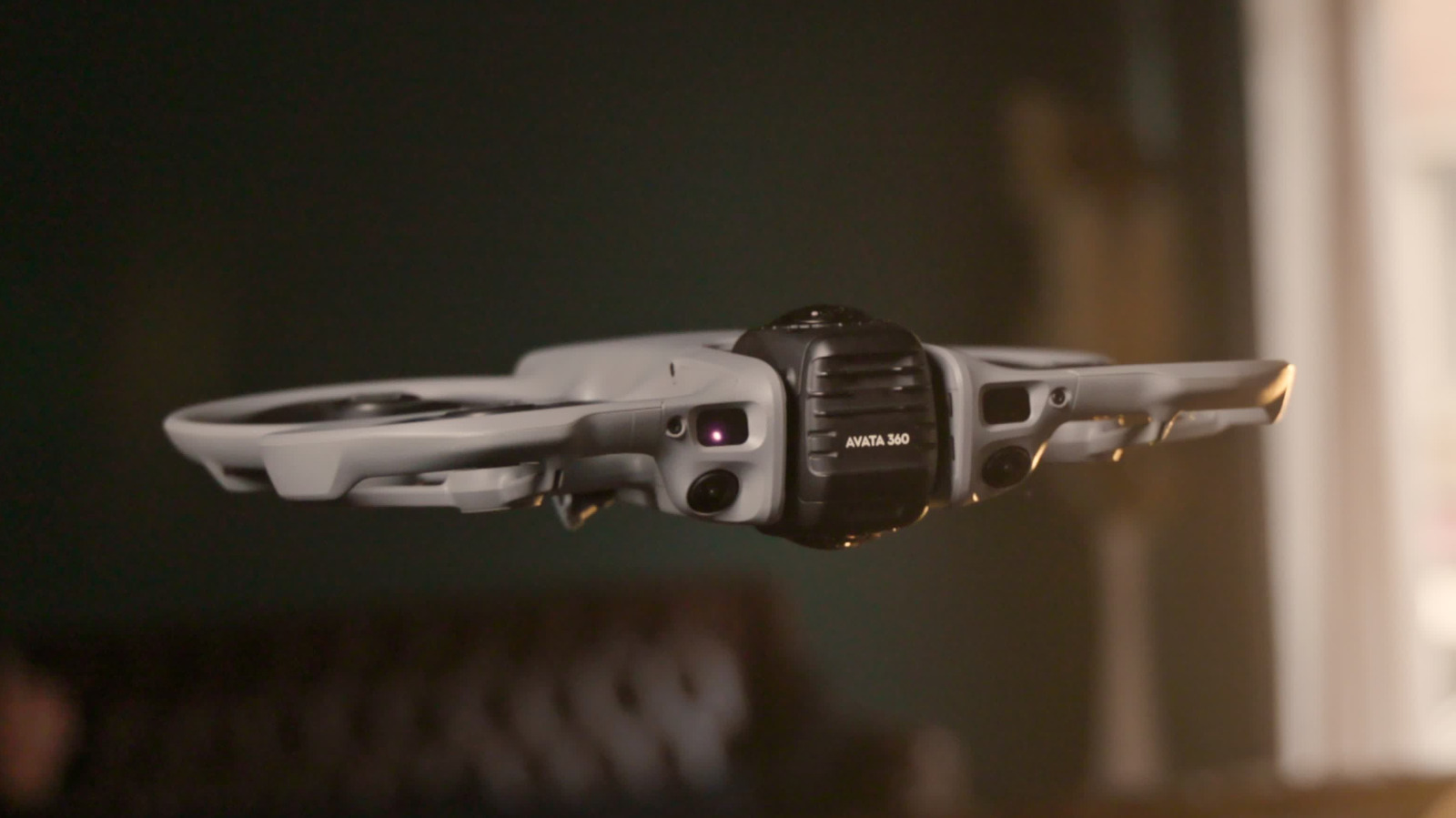
The ban would extend to consumer models such as the DJI Air 3S, Avata 360, and Mini 5 Pro that were earlier approved.
Only future sales are targeted; drones already owned by users are exempt from the prohibition.
Manufacturers would need to redesign or strip out the flagged capabilities to continue selling new units.
THE READ
What the cluster adds up to.
The FCC’s latest proposal expands its earlier drone restrictions to include devices it had previously cleared, focusing on features it deems to have military utility such as LiDAR, thermal imaging, and aerosol dispensing. This shift means that models like the DJI Air 3S, Avata 360, and Mini 5 Pro could be pulled from future retail channels despite earlier approval. The agency frames the move as a response to perceived national-security risks associated with these capabilities.
For manufacturers, the immediate consequence is a halt to selling any new units that contain the listed sensors. To comply, they would have to either remove the prohibited hardware from upcoming production runs or develop alternative models without those features, incurring redesign costs and potential supply-chain disruptions. Existing inventory that has already been sold remains unaffected, but the loss of future sales could pressure revenue streams tied to these high-end consumer drones.
Operators who have already purchased affected drones can continue to fly them, but they may encounter a gradual erosion of support. Firmware updates, spare parts, and software that leverages LiDAR data could be discontinued, making it harder to maintain performance or integrate new functionalities. This risk is especially acute for commercial users who depend on precise depth sensing for tasks like agricultural spraying or search-and-rescue missions.
The proposal also targets drones that might be rebranded versions of DJI hardware, widening the scope beyond the core brand. This could affect third-party vendors who sell DJI-based platforms under different names, forcing them to reassess inventory and marketing strategies. The broader market impact includes potential shortages of LiDAR-enabled drones and a shift toward alternative sensing technologies that are not subject to the ban.
The FCC has opened a comment period that runs until September 2, giving industry stakeholders a window to respond. Feedback during this period could influence whether the ban is finalized, modified, or withdrawn, and may shape future regulatory approaches to dual-use drone technologies. Engineers should monitor the outcome to plan for compliance or to explore alternative hardware solutions.
Written by elseif from the cluster below · checked for specifics the sources never containedTHE CLUSTER