TECH Signal 133
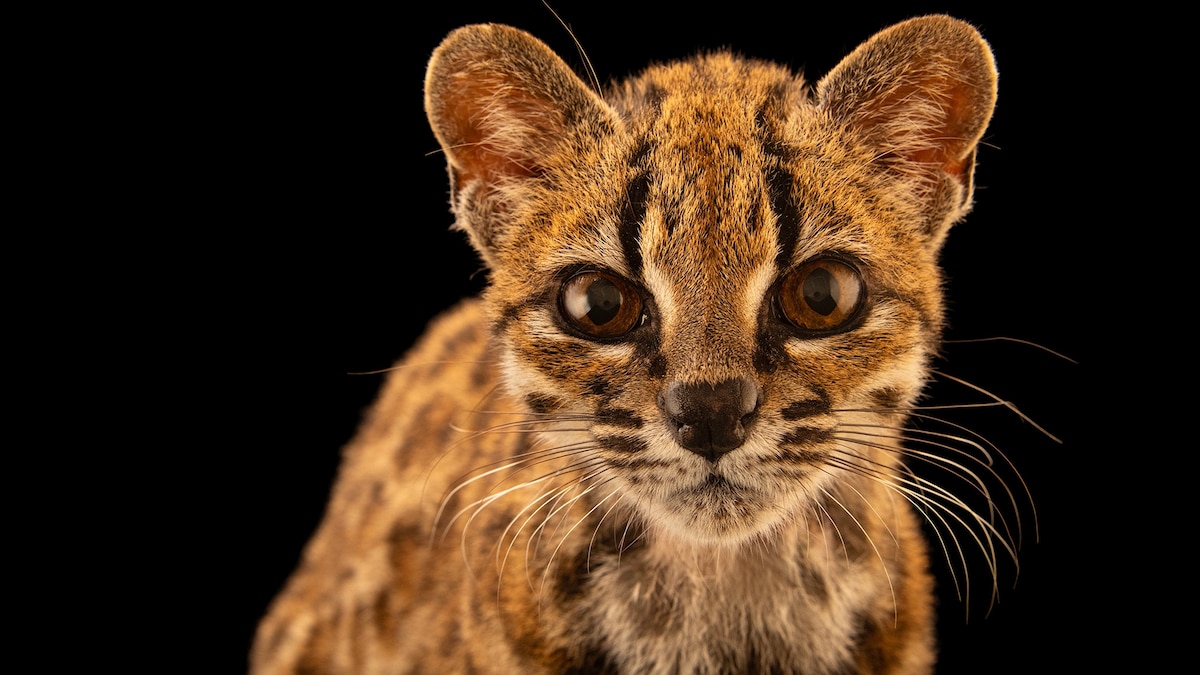
New cat species Leopardus tilcayo discovered in Bolivia, first in 100 years
 ↗
↗
Comments
The discovery of Leopardus tilcayo adds a significant branch to the cat family tree, highlighting the importance of genomic analysis in species identification. This finding may lead to further discoveries of unknown species and enhance conservation efforts. Understanding new species helps inform ecological management and biodiversity preservation strategies.
Written by elseif from the cluster below · every claim links back to a sourceThe three things worth knowing
Leopardus tilcayo is the first new cat species discovered in over a century.
The species was identified through genetic analysis, revealing a broader diversity within the cat family.
The discovery emphasizes the need for ongoing research into the lives and habitats of lesser-known wildlife.
THE READ
What the cluster adds up to.
The identification of Leopardus tilcayo marks a significant milestone in zoology, being the first new cat species recognized since 1923. This discovery not only enriches the biodiversity of the cat family but also poses new questions about the ecological roles these cats play in their environment. The implications extend beyond mere classification, as understanding their genetics can inform conservation strategies.
Genomic analysis was crucial to establishing Leopardus tilcayo as a distinct species. While physical characteristics have traditionally been used for classification, this discovery demonstrates that genetic data can uncover deeper differences not visible to the naked eye. This approach is likely to become the standard for identifying new species and understanding their evolutionary relationships.
Currently, much about the behavior and ecology of Leopardus tilcayo remains unknown. The research team has only documented its presence in Bolivia's Yungas forest ecoregion, leaving many questions about its diet, reproductive habits, and interactions with other wildlife unanswered. This lack of information underscores the importance of ongoing field studies to gain a comprehensive understanding of this newly discovered species.
Written by elseif from the cluster below · checked for specifics the sources never containedTHE CLUSTER