TECH Signal 364
1977 Skokie march debate reshaped US hate speech legal discourse
 ↗
↗
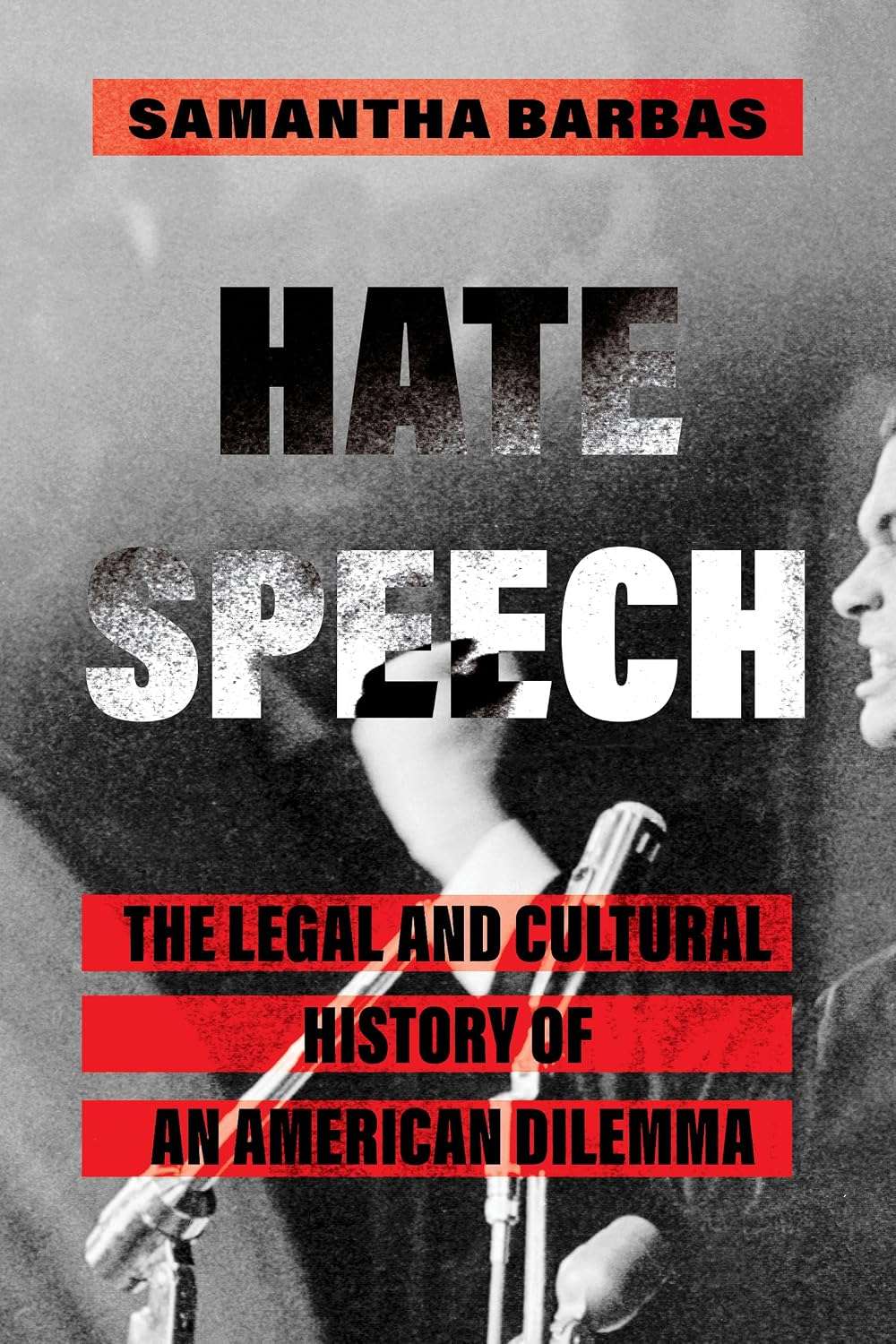
A planned neo-Nazi march in Skokie, Illinois, in 1977 triggered a national debate that shifted the focus of free speech arguments toward the concept of psychological harm.
The event shattered the prior liberal consensus on absolute free speech, introducing the rationale that hate speech causes emotional injury. This shift laid the groundwork for modern arguments regarding the limits of expression in democratic societies.
Written by elseif from the cluster below · every claim links back to a sourceThe three things worth knowing
The 1977 incident forced ordinary Americans to confront the First Amendment's protection of hate speech for the first time on a large scale.
The controversy introduced the argument that hate speech should be limited because it inflicts psychological and emotional harm on targeted groups.
The event occurred against a backdrop of waning public confidence in free speech due to economic hardship and social unrest in the 1970s.
THE READ
What the cluster adds up to.
The Nazi-Skokie affair marked a turning point in American legal and social discourse, moving the conversation from abstract principles to concrete emotional consequences. Prior to 1977, the idea of legal restrictions on hate speech had largely faded from public view, but the planned march into a suburb populated by Holocaust survivors reignited interest. This resurgence was not isolated; it coincided with a broader cultural disillusionment where many Americans felt that freedom of speech had failed to produce the just society envisioned by earlier liberals.
The core shift in the debate was the introduction of psychological harm as a justification for limiting speech. While previous arguments focused on incitement or defamation, the Skokie controversy added the rationale that hate speech creates emotional injury. This concept, which had roots in earlier academic symposia, radically altered the terms of the discussion by framing the issue as one of protecting vulnerable communities from the dangerous consequences of uninhibited expression.
The incident also exposed the fragility of the liberal consensus on free speech. For many, the image of Nazis marching under constitutional protection in a Jewish community served as evidence that the First Amendment was insufficient to guarantee racial and religious equality. This led to increased questioning of whether democracy sometimes demands less expression rather than more, challenging the notion that unlimited speech is always compatible with a humane society.
The specific context of the march was driven by the fracturing of the American Nazi movement following the assassination of George Lincoln Rockwell in 1967. Frank Collin, a former member who was ousted after his Jewish heritage was revealed, formed a rival group and used Nazi symbolism strategically to generate fear and media attention. His tactics highlighted how the visual impact of hate speech could be weaponized to provoke public reaction, further complicating the legal and ethical landscape.
Written by elseif from the cluster below · checked for specifics the sources never containedTHE CLUSTER