TECH Signal 492
Apple reportedly blocks developer over false match to U.S. export-control list entry
 ↗
↗
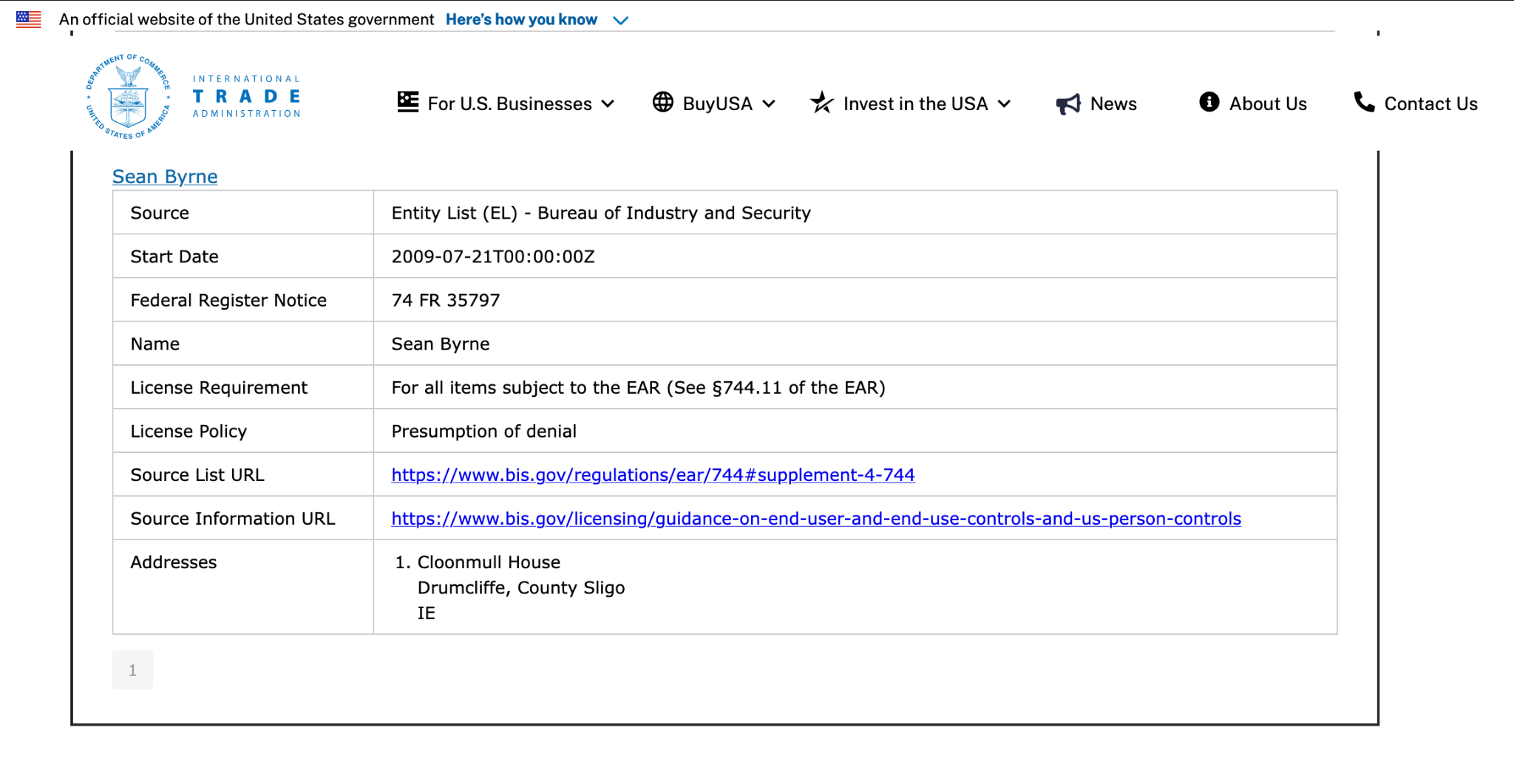
A developer named Sean Byrne was denied access to App Store Connect after being flagged as a match for a restricted-party list entry tied to a defunct Irish company’s alias.
This incident highlights the real-world consequences of outdated or inaccurate entries in U.S. government screening lists. For engineers and developers, it underscores the risk of false positives in automated compliance systems, which can disrupt access to critical platforms without clear recourse. The lack of resolution after identity verification raises concerns about accountability in sanctions compliance processes.
Written by elseif from the cluster below · every claim links back to a sourceThe three things worth knowing
The U.S. Entity List entry for 'Sean Byrne' is tied to an alias used by a now-defunct Irish company, not an actual person.
Apple’s compliance system flagged the developer as a match despite provided identity documents disproving the connection.
The incident is not isolated; similar false positives have occurred with other platforms like Nasdaq.
THE READ
What the cluster adds up to.
A developer was locked out of Apple’s App Store Connect after being flagged as a match for an entry on the U.S. government’s Consolidated Screening List. The entry in question stems from a 2009 case involving Mac Aviation, an Irish aircraft-parts business that used the name 'Sean Byrne' as an alias on company paperwork. The U.S. Department of Justice later acknowledged the name was fictitious, yet the Entity List entry persists without personal identifiers like a date of birth or passport number, making it prone to false matches.
The developer provided Apple with a passport, driver’s license, and legal name to disprove the match, but the company has not responded or reversed the decision. This suggests a rigid adherence to automated compliance checks, even when identity verification contradicts the system’s findings. For engineers, this raises operational risks: access to development tools or platforms can be revoked without warning, and appeals may go unaddressed, leaving projects in limbo.
The broader issue is the longevity of inaccurate or misleading entries in government screening lists. The 'Sean Byrne' entry on the Entity List has no verifiable connection to a real person, yet it remains active and continues to trigger false positives. Similar incidents have occurred with other platforms, such as Nasdaq, where the developer was temporarily blocked from selling stock due to the same alias. These cases demonstrate how outdated or poorly maintained records can create persistent compliance headaches.
The incident also highlights the limitations of export-control instruments like the Entity List. While the list is designed to restrict exports to sanctioned parties, it lacks mechanisms to distinguish between aliases and real individuals. For developers or businesses, this means even a tenuous connection to a listed name or address can result in denial of service, with no clear path to resolution. The reliance on automated screening without human review exacerbates the problem, turning compliance into a potential liability rather than a safeguard.
Written by elseif from the cluster below · checked for specifics the sources never containedTHE CLUSTER