DEV TOOLS Signal 328
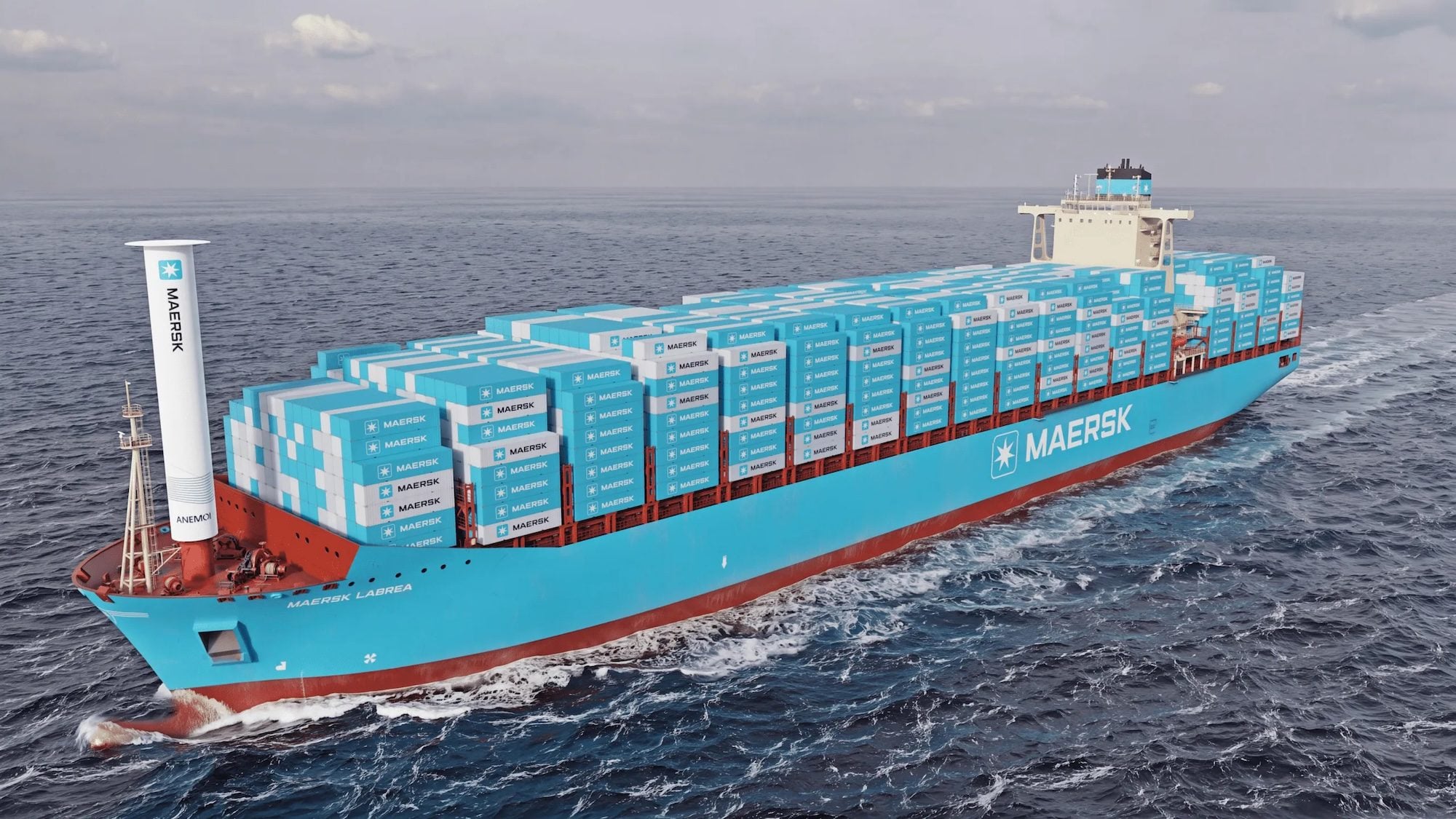
Maersk to Test 35-Meter Rotor Sail on Containership, Marking Wind Power's Return to Shipping
 ↗
↗
Comments
The shift towards wind-assisted propulsion represents a significant change in the shipping industry, aiming to reduce fuel consumption and emissions. As more ships adopt these technologies, it could lead to a substantial transformation in maritime logistics and environmental impact. The practical implementation of rotor sails on large vessels indicates a growing acceptance of innovative solutions in commercial shipping.
Written by elseif from the cluster below · every claim links back to a sourceThe three things worth knowing
Maersk plans to install a 35-meter rotor sail on a containership, with tests starting in 2027.
Over 100 large merchant ships now utilize modern wind propulsion systems, signaling a shift towards sustainability.
The integration of wind power with existing engine systems could reduce fuel consumption and operational costs.
THE READ
What the cluster adds up to.
Maersk's decision to install a rotor sail on one of its containerships marks a pivotal moment in the shipping industry as it transitions back to utilizing wind power. This installation is significant as it represents a blending of modern technology with traditional sailing concepts to enhance fuel efficiency. The rotor sail is expected to reduce the load on the ship's engines, which could translate to lower operational costs.
The use of rotor sails and other wind propulsion technologies is gaining traction, with more than 100 large merchant ships currently equipped with such systems. This trend indicates a growing recognition of the need for sustainable practices in shipping, especially in light of increasing regulatory pressures regarding emissions. However, the current deployment still represents a small fraction of the global fleet.
While the technology is advancing, its implementation is not without challenges. The operational effectiveness of wind-assisted propulsion can be influenced by factors such as weather conditions and shipping routes. Additionally, the integration of these systems into existing ships must consider safety, regulatory compliance, and the potential need for crew training in automated sail management.
Written by elseif from the cluster below · checked for specifics the sources never containedTHE CLUSTER